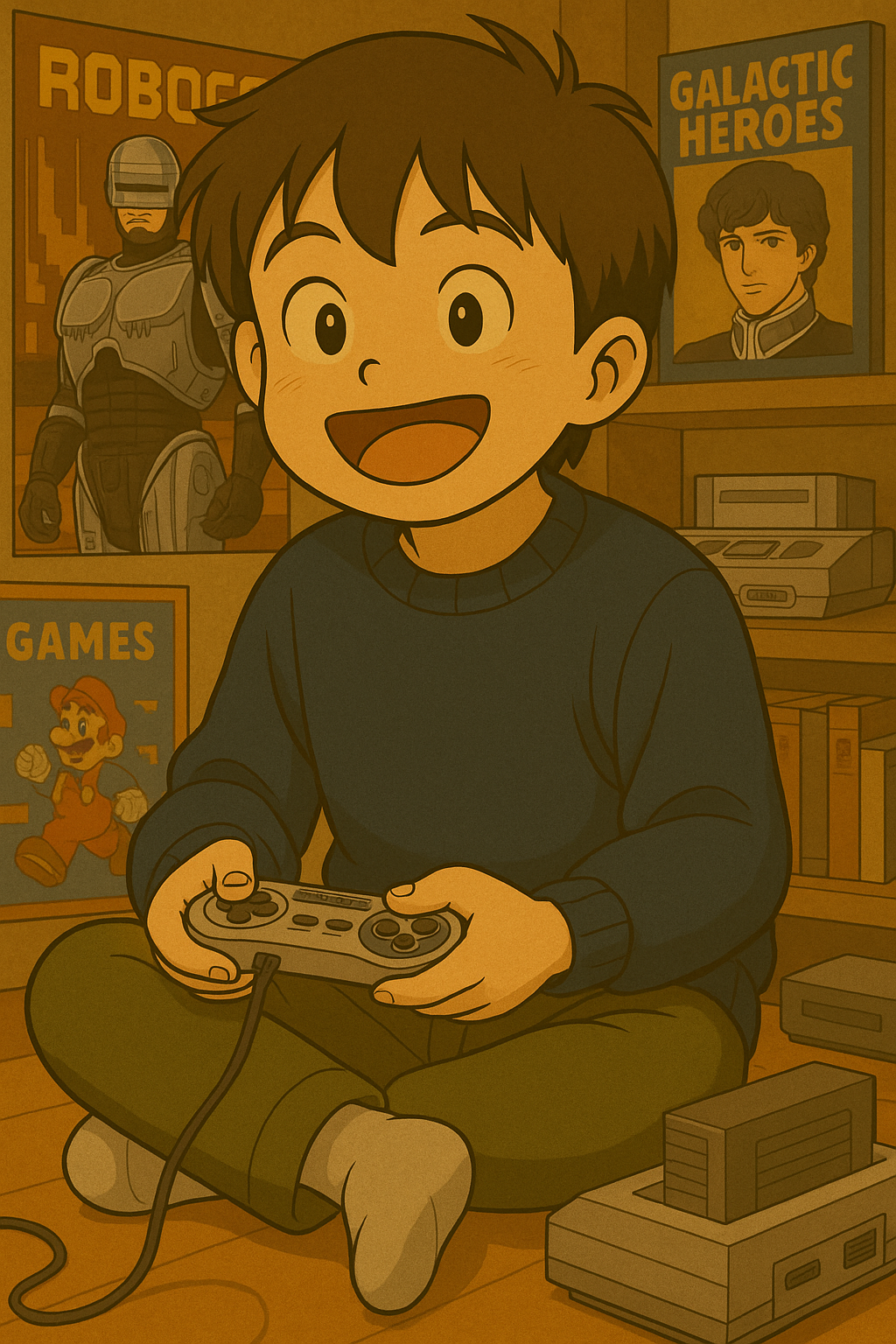
[태그:] Retro Games

  • Recommended Ninja Protagonist Games from the 8-bit & 16-bit Era

    (NES / Famicom, SNES / Super Famicom, Sega Genesis / Mega Drive, TurboGrafx-16 / PC Engine)

    In the late 1980s and early 1990s, ninjas ruled the arcades and living rooms. Fast, stylish, and often brutally difficult, ninja action games became a staple of the 8-bit and 16-bit generations. Here are two standout titles featuring ninja protagonists on each of the four major systems of the era that still hold up for modern retro players.

    Nintendo Entertainment System (Famicom)

    1. Ninja Gaiden (1988 Japan / 1989 North America) Tecmo’s masterpiece stars Ryu Hayabusa, the Dragon Ninja, on a quest for revenge after his father’s murder. What set this game apart was its cinematic cutscenes (a rarity on the NES), tight wall-climbing and sword combat, and an infamous difficulty curve that still frustrates and delights players today. The combination of precise platforming, secondary weapons (shuriken, fire wheels, etc.), and dramatic storytelling made it a defining ninja experience of the 8-bit generation.

    2. Shadow of the Ninja (1990) Developed by Natsume, this underrated gem lets you play as either Hayate or Kaede (or both in simultaneous co-op) as they infiltrate a dystopian future America ruled by the evil Emperor Garuda. The game features excellent climbing and hanging mechanics, weapon upgrades (katana to kusarigama), and a dark, stylish atmosphere. It plays like a more cooperative, slightly more approachable cousin to Ninja Gaiden and remains one of the best pure ninja action games on the system.

    Super Nintendo Entertainment System (Super Famicom)

    1. The Legend of the Mystical Ninja (1991 Japan / 1992 North America) Konami’s colorful take on the Ganbare Goemon series follows the mystical ninja Goemon (Kid Ying in the West) and his eccentric partner Ebisumaru (Dr. Yang). Blending side-scrolling action, town exploration, mini-games, and light adventure elements, it offers a much more lighthearted and humorous take on the ninja theme. The dual-character co-op, catchy music, and quirky Japanese humor make it a delightful contrast to the darker ninja games of the era.

    2. Hagane: The Final Conflict (1994 Japan / 1995 North America) You control Hagane, a cyborg ninja rebuilt after his clan is wiped out, seeking revenge and the recovery of a powerful artifact. This late-era SNES title mixes classic ninja moves (wall jumps, flips, multiple weapons including sword, chain, shuriken, and bombs) with a cyberpunk aesthetic. Fast, fluid, and challenging, it feels like a spiritual successor to Shinobi and Ninja Gaiden with impressive 16-bit production values.

    Sega Genesis (Mega Drive)

    1. The Revenge of Shinobi (1989) Joe Musashi returns in this stylish sequel that perfected the formula. Beautiful Stage 1 music by Yuzo Koshiro, smooth ninjutsu powers, and a perfect balance of platforming and combat made this one of the early showcases for the Genesis. The combination of shuriken throwing, sword strikes, and special ninjutsu techniques still feels fantastic.

    2. Shinobi III: Return of the Ninja Master (1993) Widely regarded as one of the best pure action games on the Genesis, Shinobi III gives Joe Musashi even better controls, more varied stages, and a refined difficulty curve. Running, sliding, wall-jumping, and the classic shuriken + sword combat reach their peak here. Many consider this the high point of the classic Shinobi series.

    TurboGrafx-16 (PC Engine)

    1. Ninja Spirit (1990) Irem’s excellent port of their own arcade game stars the ninja Moonlight (Tsukikage) seeking revenge for his father’s death. What makes it special is the ability to switch freely between four weapons (katana, shuriken, bombs, and kusarigama) and the ability to summon shadow clones. The TG-16 version is extremely close to the arcade original and stands as one of the system’s strongest pure action titles.

    2. Shinobi (1989 – primarily Japan) Asmik’s HuCard port of Sega’s classic arcade game brings Joe Musashi to the PC Engine. While it trims some content compared to the arcade (most notably Stage 2 and the bonus stages), the core gameplay, graphics, and speed remain excellent. For fans of the original Shinobi, this is still a very enjoyable version and a nice companion piece to Ninja Spirit on the same hardware.


    These eight games capture the full range of what “ninja game” meant in the 8- and 16-bit eras — from the punishing cinematic platforming of Ninja Gaiden to the colorful humor of Mystical Ninja, the cyberpunk style of Hagane, and the refined action of the Shinobi series.

    Whether you’re rediscovering these classics on original hardware, emulators, or modern re-releases (Nintendo Switch Online, etc.), they remain some of the most satisfying and atmospheric action games of their generation.

  • The $6,000 Heartbreak: Why I’m Still Mourning My Lost 90s Game Magazines

    Hi everyone, it’s Super Asurada 77.

    Today, I found myself wandering down memory lane, and I stumbled upon a memory so bittersweet it almost made me faint. It’s one of those “laugh so I don’t cry” stories.

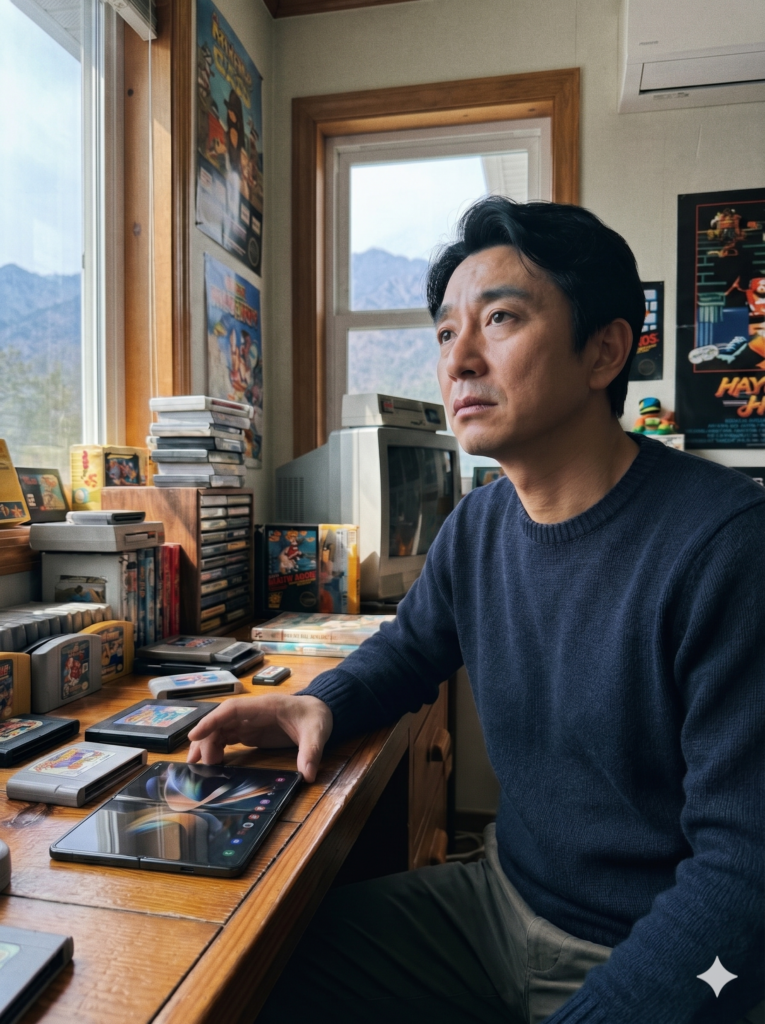
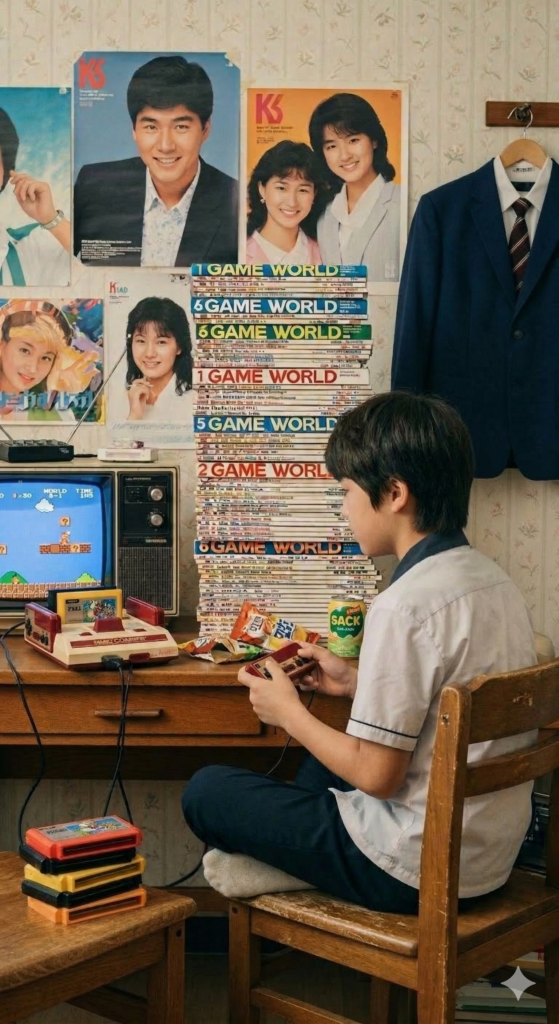
    Do you remember your “Number One Treasure” from childhood? For me, it wasn’t a toy or a bike—it was my collection of video game magazines.

    The Beginning of a Lifelong Obsession: My Middle School Years

    The year was 1990. I was just a middle school kid when a single book at the local bookstore changed my life forever.

    It was the very first issue of ‘Game World’ (게임월드).

    Back then, I was obsessed with consoles like the Famicom and Super Famicom. Seeing those vibrant game illustrations and incredibly detailed walkthroughs was like discovering a new world. I still remember the thrill of holding that first issue in my hands, bought with the 5,000 KRW allowance my grandfather gave me.

    From that day on, my month revolved around waiting for the next issue of Monthly Game World.

    A World Beyond the Screen: Game World and Game Champ

    From middle school onwards, I was a loyal subscriber. If Game World or Game Champ was on the shelf, it was coming home with me.

    I didn’t always have the money to buy the actual consoles or the latest cartridges, so those magazines were my window into that universe. I would pore over the photos and read the descriptions until I knew them by heart. Game Champ came along a bit after Game World, and I collected those too.

    I even meticulously saved all the special bonuses—the BGM cassette tapes and CDs that came as supplements. They were the crown jewels of my collection.

    The Great Catastrophe: My Time in the Military

    But as they say, all good things must come to an end. In January 1998, I received my “call to duty” and enlisted in the military.

    After the grueling weeks of basic training and being assigned to my unit, I finally got my first sweet taste of leave. I headed back home—or rather, to the new house my family had moved into while I was away. I opened the door to my new room, and my heart sank.

    “Wait… where are all my magazines?”

    I searched every corner, but my precious collection was nowhere to be found.

    “Dad,” I asked, “Have you seen the books that were in my room?”

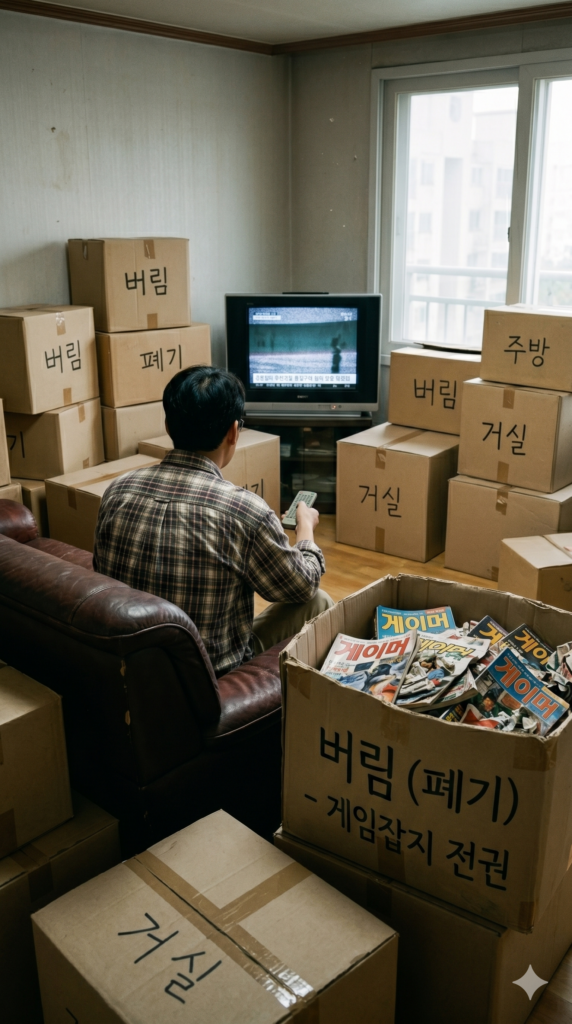
    The Fatal Words: “Oh, those? I threw them away!”

    My father’s reply was casual, almost breezy: “Oh, those? We were moving, and they were just taking up space and too heavy to carry. So I tossed them out!”

    Yes… you read that right. Years of passion, loyalty, and “geek” history had been swept away by the tide of a house move and ended up in a landfill.

    The shock I felt in that moment… even thinking about it now brings a tear to my eye.

    Years Later, a Shocking Discovery

    Fast forward to the late 2000s. I was browsing the internet and happened to click on a vintage collector’s site.

    Out of curiosity, I searched for ‘Game World Issue #1.’

    I nearly fell out of my chair when I saw the price.

    A single copy of Game World Issue #1 was being traded for anywhere between $400 and $750 (500k to 1M KRW).

    Wait… how much? $750?!

    What used to be a $4 magazine bought with pocket money had become a legendary “holy grail” of retro items. Other issues were easily going for over $100 each.

    If I still had that entire collection I had built up… how much would it be worth today? Probably around $6,000 (8 Million KRW)? (Haha… sob).

    Where are you now, my dear magazines?

    It’s painful to realize that the “stacks of paper” my father tossed out were actually “golden geese” that would be worth a fortune today.

    But beyond the money, it’s the loss of that pure passion and the memories of my youth that hurts the most. I deeply miss those days of Game World and Game Champ.

    Hey, publishers! If the Neo Geo AES can get a “mini” reissue, can’t we get a reprint of these legendary magazines too? A guy can dream, right?

    Just as a heads-up, you can find Game Champ archived as e-books on the GameMeca website [link]

    Original article in Korean: [link]

  • Ugh… Should I Just Burn a PTO Day?

    Hello, this is Super Asurada 77.

    I’m just a middle-aged guy surviving the daily grind by recharging my batteries with retro games.

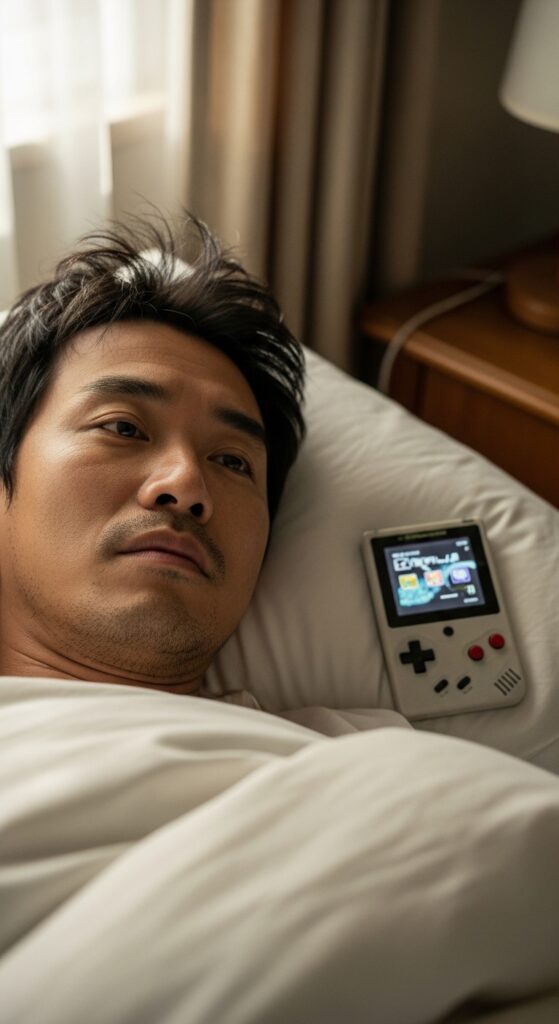
    The very first thought that hits me the moment I open my eyes in the morning is: “I don’t feel so great… Should I just call out sick today?”

    But contrary to my mind, my body is already on autopilot—showering and eating breakfast.

    Next thing I know, I’m surrendering myself to the subway, clutching a retro handheld console in both hands.

    I’m right back at that boss battle I was stuck on yesterday.

    My soul is still at home, but I can see my physical shell sitting in the office chair, staring daggers at the monitor.

    Staring at the screen, the thought creeps in again.

    “Maybe I should take a half-day this afternoon?”

    But then reality hits. I have a client meeting with the director later…

    There goes my afternoon off, flying far away~

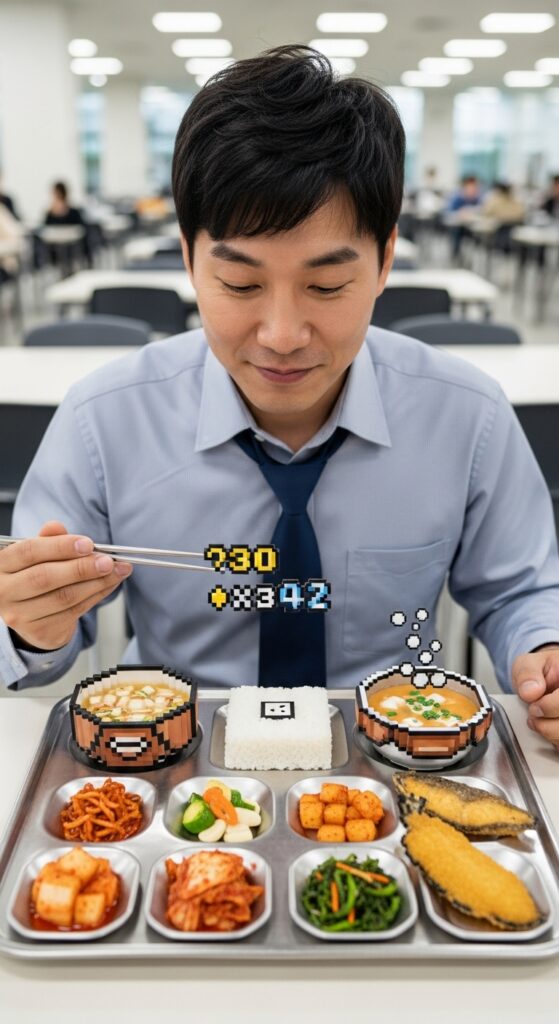
    Still, lunchtime arrives. Seeing the hot soup and the meat dish in the cafeteria…

    My HP gauge starts to rise. Lunch fills my HP to the max, but my magic gauge—MP—needs a different fuel: vending machine coffee.

    A fresh shot of caffeine fills my MP bar completely.

    Time flies, and suddenly, it’s already time to clock out.

    On the subway ride home, I ponder again.

    “Should I take tomorrow off?”

    Ah… We have a production deployment tomorrow afternoon…

    Taking tomorrow off is out of the question~!!!

    Dang it~!!! I guess I’ll just rest during the weekend~~!!

    Original article in Korean: [link]