Hey everyone, it’s SuperAsurada77.
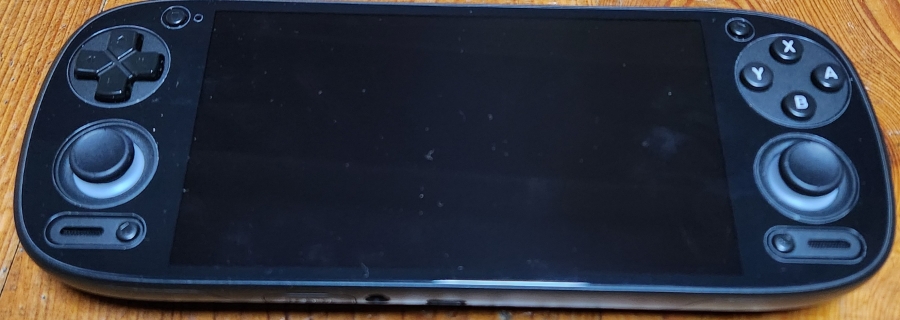
Today, let’s talk about the Retroid Pocket 5, currently available from Retroid.
This is an Android-based gaming handheld. Usually, when you game on a standard smartphone, heat buildup leads to thermal throttling, causing frame rate drops and lag. However, the Retroid Pocket 5 features an active cooling fan on the back. Even when things heat up, the fan keeps the device cool, meaning you’ll experience almost zero throttling.
It’s an Android device truly optimized for gaming, running on Android 13 out of the box.
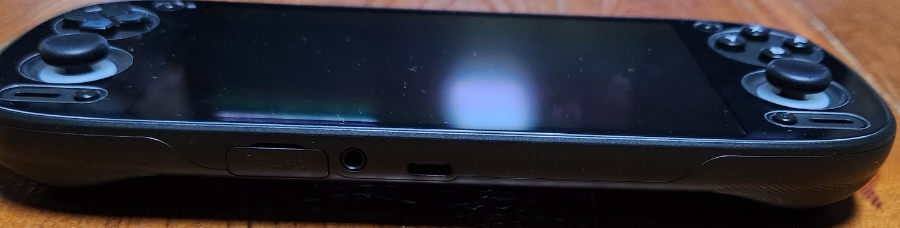
Connectivity: Looking at the bottom, there’s a slot for a Micro SD card. It supports both a standard 3.5mm headphone jack and USB-C audio, so you have plenty of options for sound.
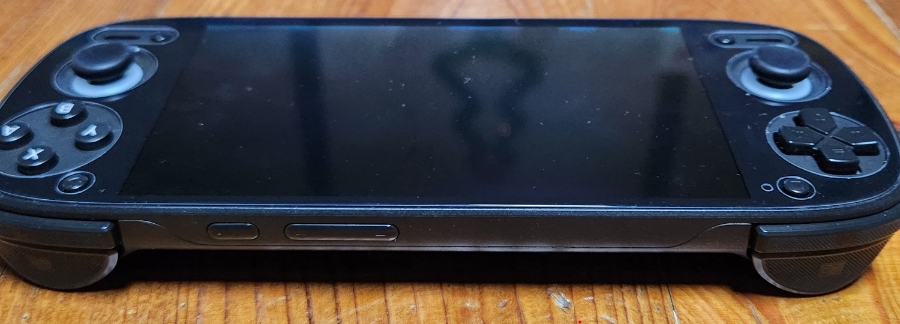
Controls: The L2 and R2 triggers are analog, allowing for precise pressure control—a huge plus for racing games.
However, since the analog stick is positioned quite close to the D-pad, there is a little bit of thumb interference when playing action games, though it’s not a dealbreaker.
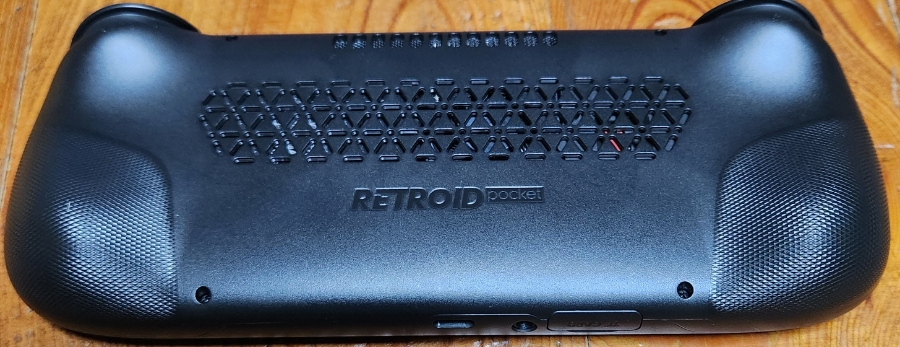
Cooling & Ergonomics: You can actually see the fan through the back panel. It stays quiet most of the time, but once you fire up heavy 3D games, the smart fan kicks in to dissipate the heat.
The grips are ergonomically designed and feel decent in the hand, though I wouldn’t say they are the most comfortable I’ve ever used.
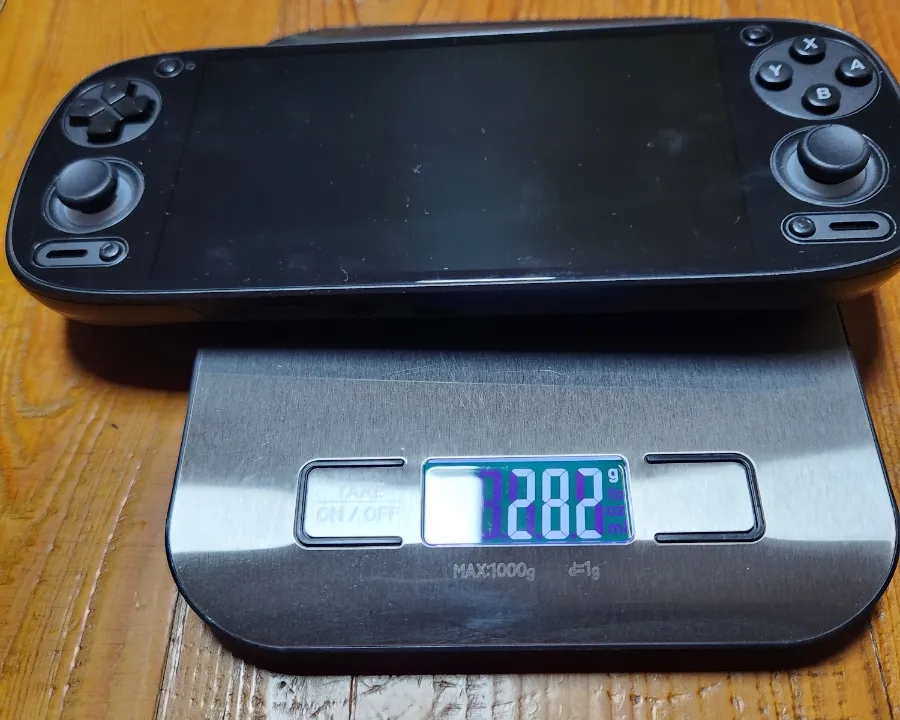
Specs & Weight: Weighing in at 282g (under the 300g mark), it has the perfect heft for portability.
The processor is a Snapdragon 865—the same chip found in the Samsung Galaxy S20. This means it can handle PS2 games at 2x resolution without breaking a sweat.
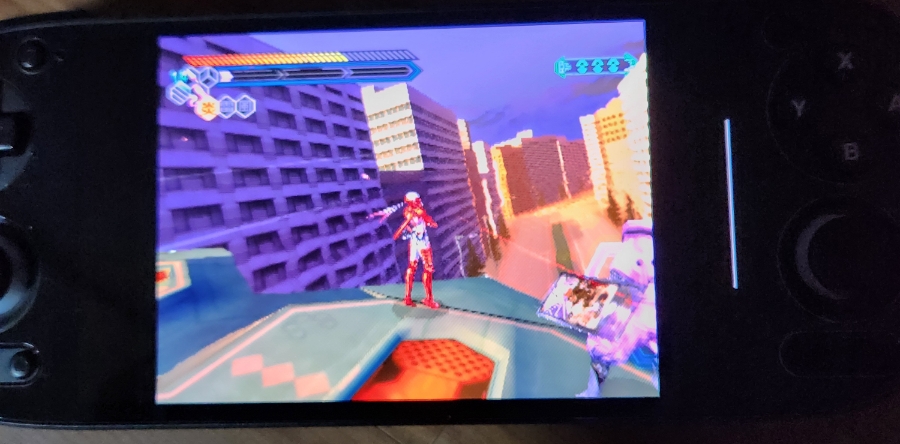
Performance Test: Nightshade (Kunoichi) First up is the PS2 classic, Nightshade (known as Kunoichi in Asia). This title stuttered a bit on the Retroid Pocket 4 Pro, but on the Pocket 5, it runs flawlessly at 2x resolution. I set the graphics backend to Vulkan for this one.
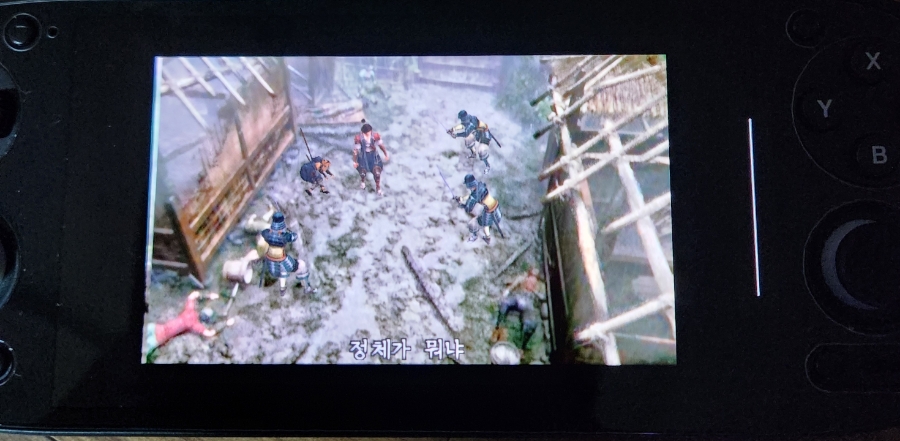
Performance Test: Onimusha 2 Onimusha 2 also runs great at 2x resolution. However, a quick tip: if you use OpenGL, the character models might turn invisible. Make sure to select Vulkan to fix this glitch.
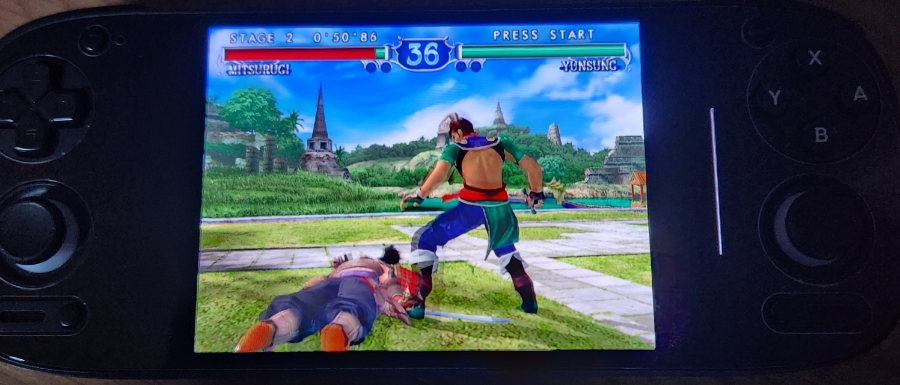
Performance Test: Soulcalibur II Soulcalibur II had some minor stuttering on the RP4 Pro at 2x resolution, but here on the Pocket 5? It’s buttery smooth.
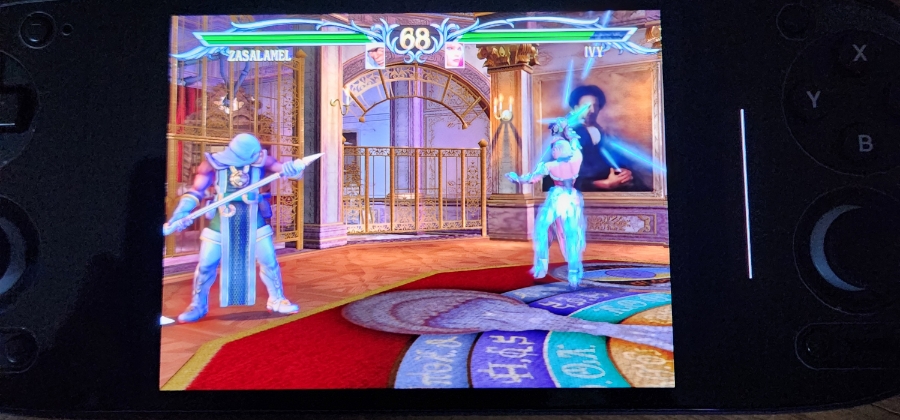
Performance Test: Soulcalibur III Soulcalibur III also runs perfectly at 2x resolution.
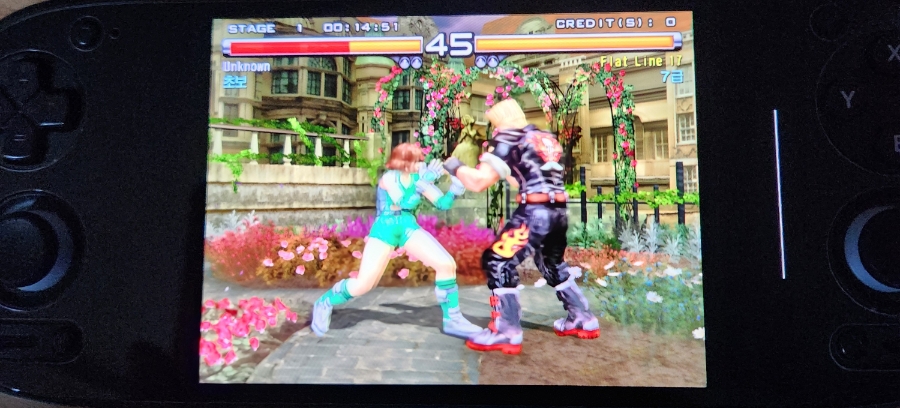
Performance Test: Tekken 5 Tekken 5 handles 2x resolution with no issues.
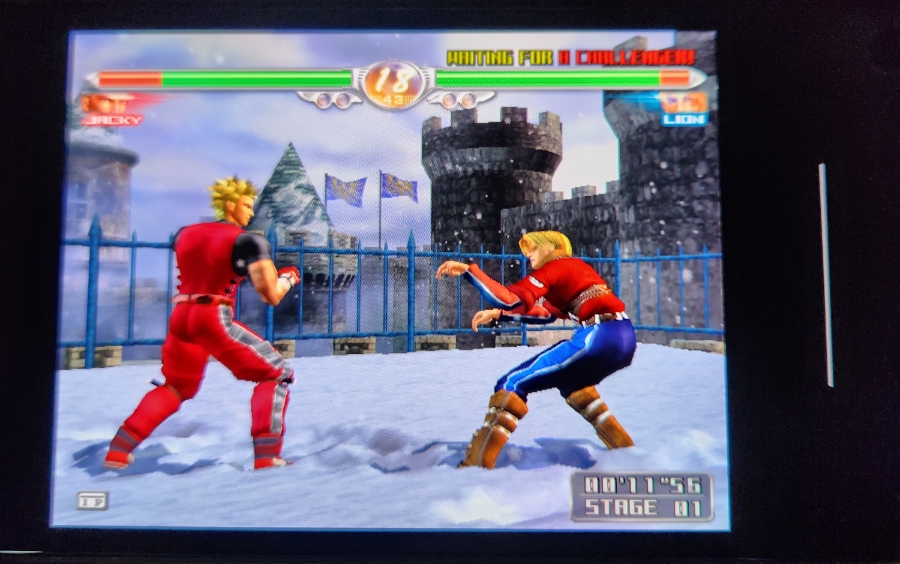
Performance Test: Virtua Fighter 4 Virtua Fighter 4 is solid at 2x resolution.
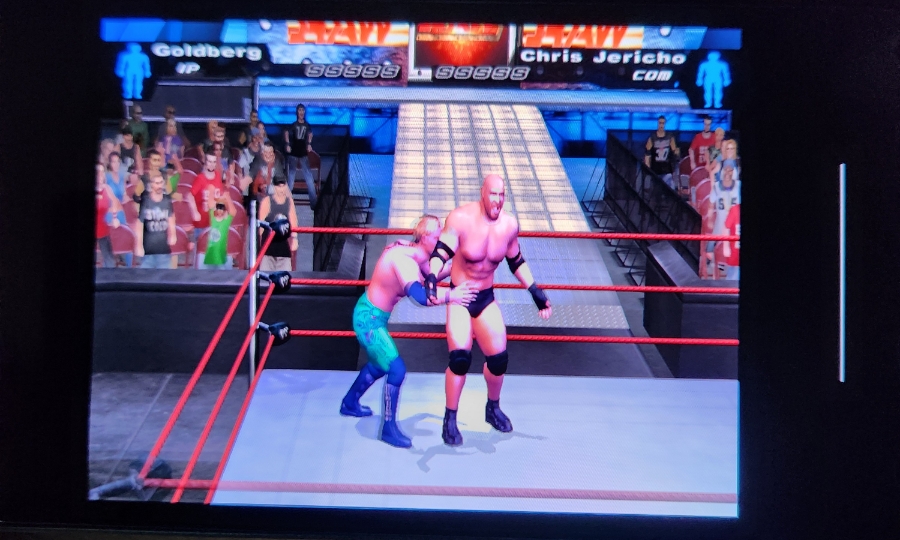
Performance Test: WWE SmackDown! Here Comes the Pain WWE Here Comes the Pain also runs great at 2x resolution.
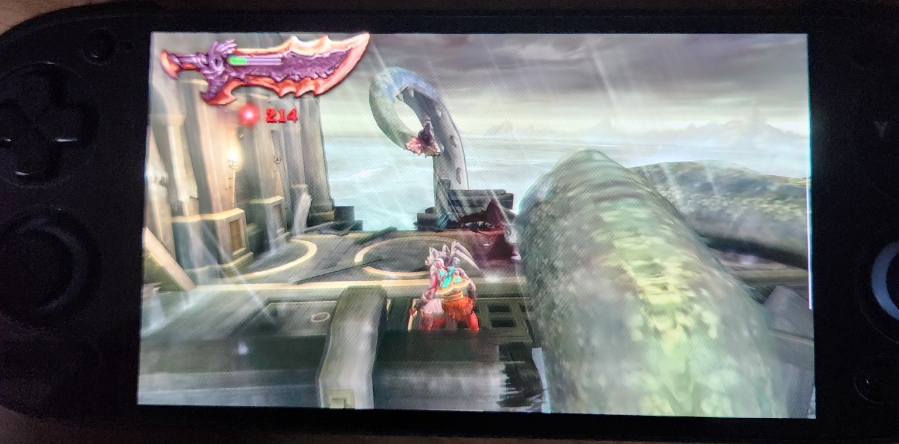
Screen, Battery & Verdict: Needless to say, PSP games run effortlessly—even God of War runs well at 4x resolution.
The bezels are thin, and since it’s an OLED panel, the true blacks are incredible. When playing 4:3 content, the letterboxing blends perfectly with the bezels, creating the illusion that you’re playing on a native 4:3 device.
Since it’s Android, you can install Netflix and YouTube. You can also listen to music via Bluetooth headphones while gaming. It’s the size of a standard phone, making it the perfect companion for your subway or bus commute.
Important Charging Warning: Unlike budget retro handhelds where high-voltage chargers can fry the motherboard, the Retroid Pocket 5 actually requires a charger that supports 9V or higher (PD charging) for fast and stable charging. If you try to use an old 5.1V charger, you risk overheating the charger itself.
Battery Life: The efficiency is impressive. I played Super Robot Wars Impact (PS2) for about an hour and a half, and it only drained about 10% battery. Also, while the RP4 Pro used to get warm, the RP5 stays incredibly cool. I really love this aspect of the device.
Conclusion: All things considered, the Retroid Pocket 5 is the best retro handheld I’ve played so far. The only downside? The price. It’s a bit steep (over $200 USD).
I’m already looking forward to Retroid’s next product. Please, Retroid, give us a 4-inch+ device with a native 4:3 screen next time!
Note on Setup: Keep in mind that Android handhelds don’t come with emulators pre-installed. There is a stock launcher, but I barely use it.
https://blog.naver.com/superasrada77/223371973989
Outro: Please refer to my other blog posts for guides on setting up RetroArch and other frontends to get your library organized.
Happy retro gaming, everyone!
Original article in Korean: [link]