[태그:] Snapdragon 865

  • Is the Retroid Pocket 5 the King of Android Handhelds?

    Hey everyone, it’s SuperAsurada77.
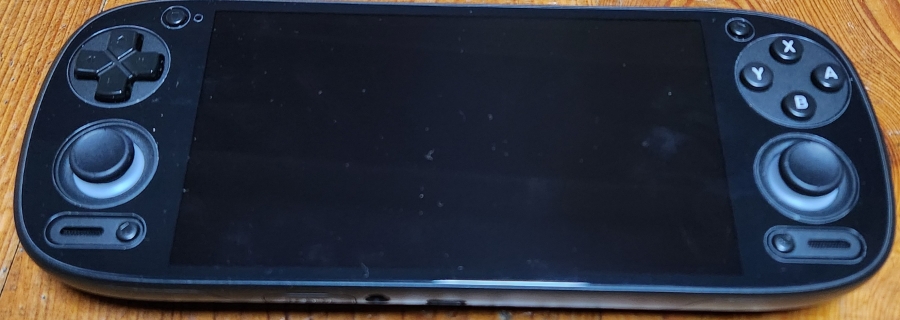
    Today, let’s talk about the Retroid Pocket 5, currently available from Retroid.

    This is an Android-based gaming handheld. Usually, when you game on a standard smartphone, heat buildup leads to thermal throttling, causing frame rate drops and lag. However, the Retroid Pocket 5 features an active cooling fan on the back. Even when things heat up, the fan keeps the device cool, meaning you’ll experience almost zero throttling.

    It’s an Android device truly optimized for gaming, running on Android 13 out of the box.
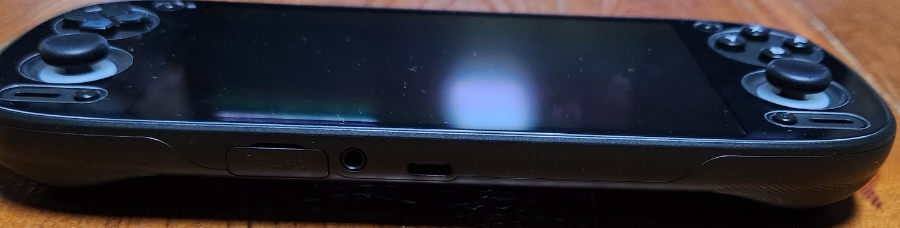
    Connectivity: Looking at the bottom, there’s a slot for a Micro SD card. It supports both a standard 3.5mm headphone jack and USB-C audio, so you have plenty of options for sound.
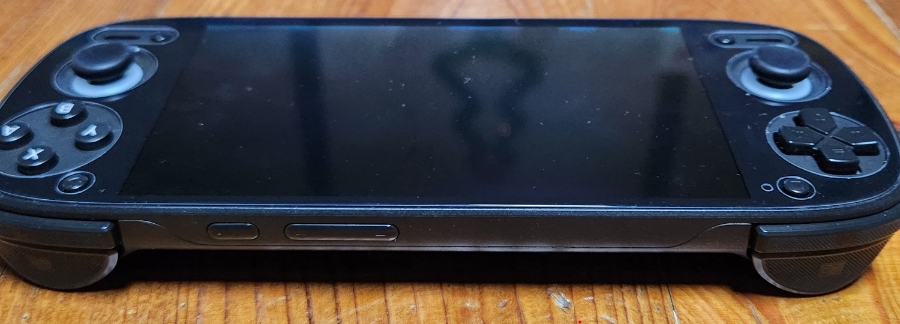
    Controls: The L2 and R2 triggers are analog, allowing for precise pressure control—a huge plus for racing games.

    However, since the analog stick is positioned quite close to the D-pad, there is a little bit of thumb interference when playing action games, though it’s not a dealbreaker.
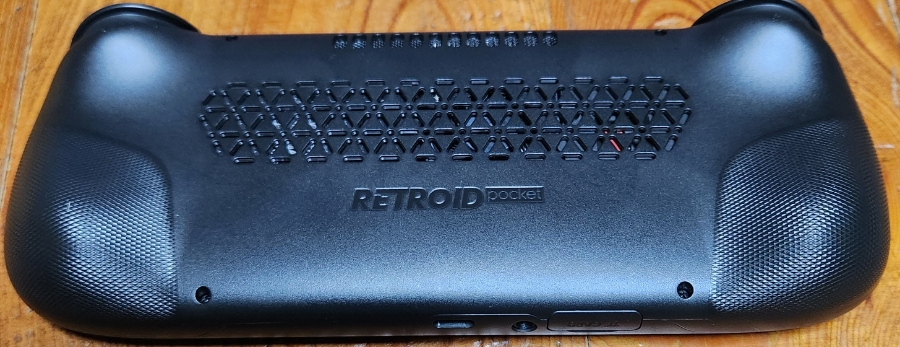
    Cooling & Ergonomics: You can actually see the fan through the back panel. It stays quiet most of the time, but once you fire up heavy 3D games, the smart fan kicks in to dissipate the heat.

    The grips are ergonomically designed and feel decent in the hand, though I wouldn’t say they are the most comfortable I’ve ever used.
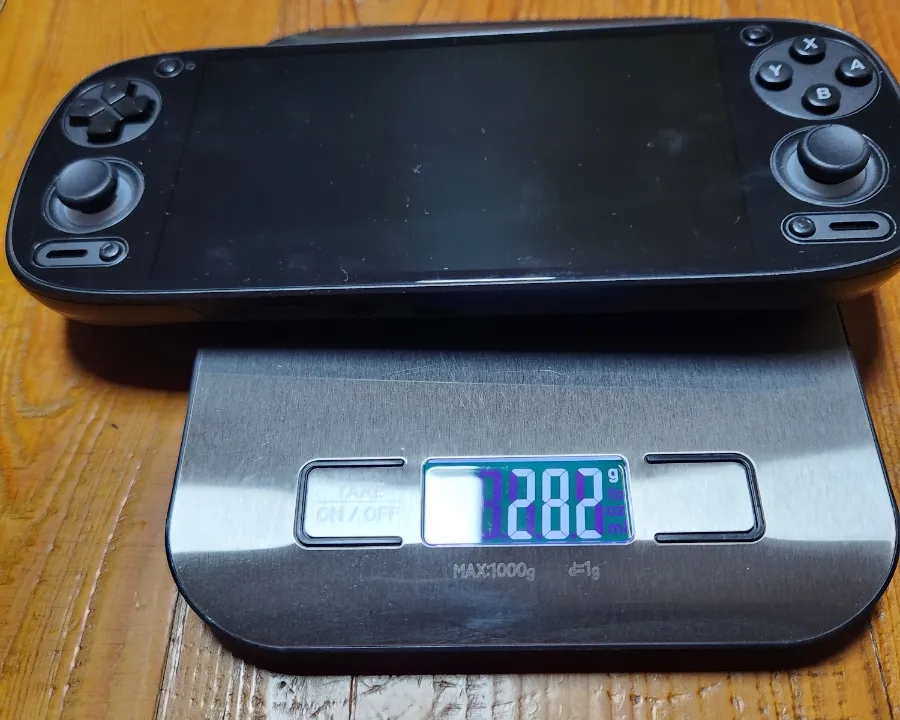
    Specs & Weight: Weighing in at 282g (under the 300g mark), it has the perfect heft for portability.

    The processor is a Snapdragon 865—the same chip found in the Samsung Galaxy S20. This means it can handle PS2 games at 2x resolution without breaking a sweat.
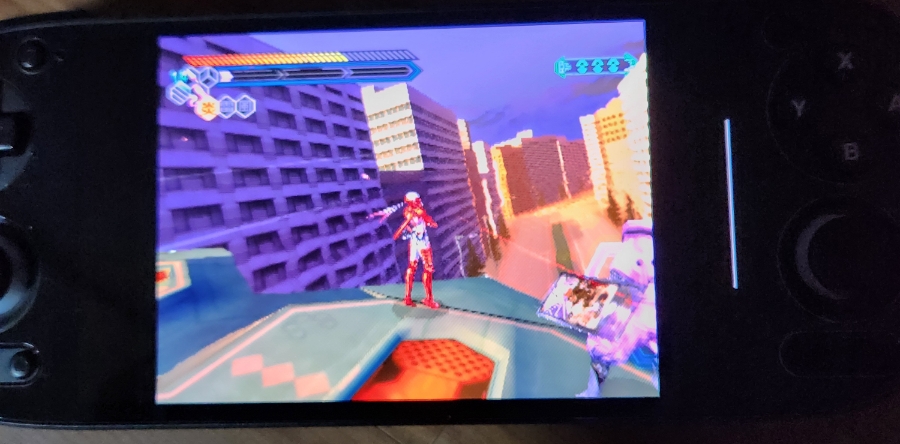
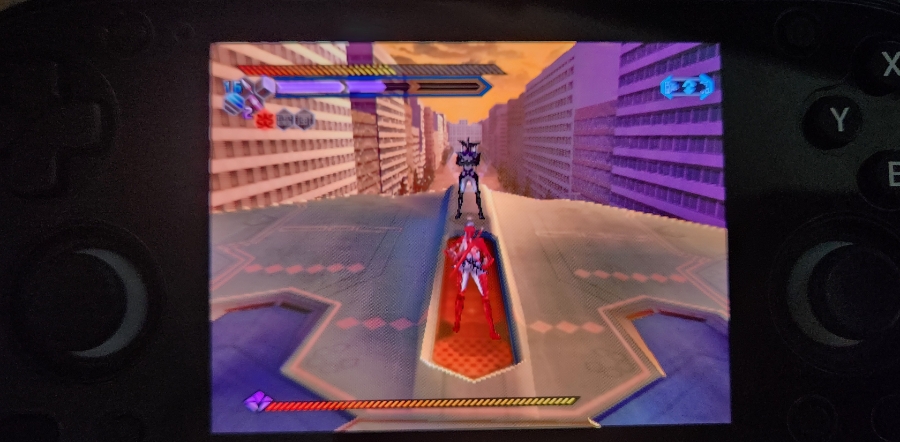
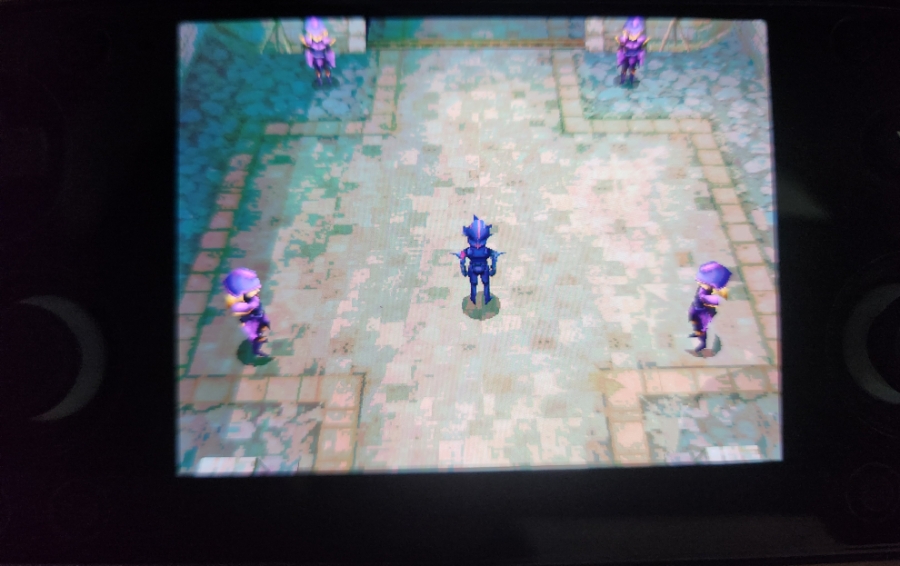
    Performance Test: Nightshade (Kunoichi) First up is the PS2 classic, Nightshade (known as Kunoichi in Asia). This title stuttered a bit on the Retroid Pocket 4 Pro, but on the Pocket 5, it runs flawlessly at 2x resolution. I set the graphics backend to Vulkan for this one.
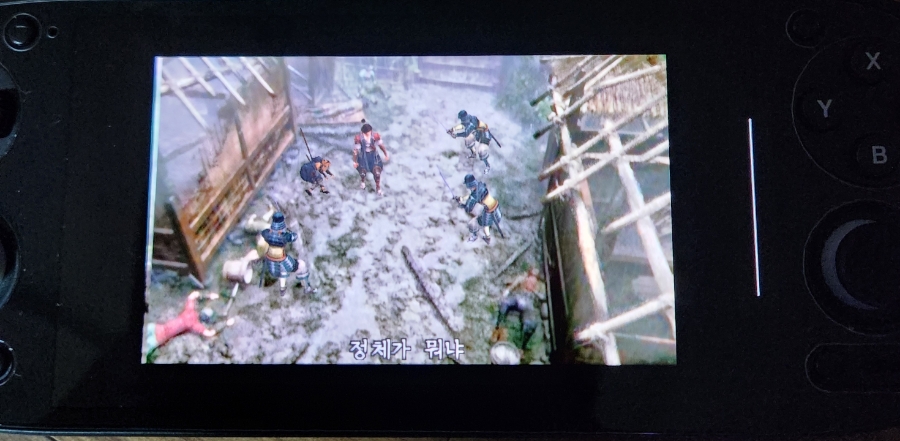
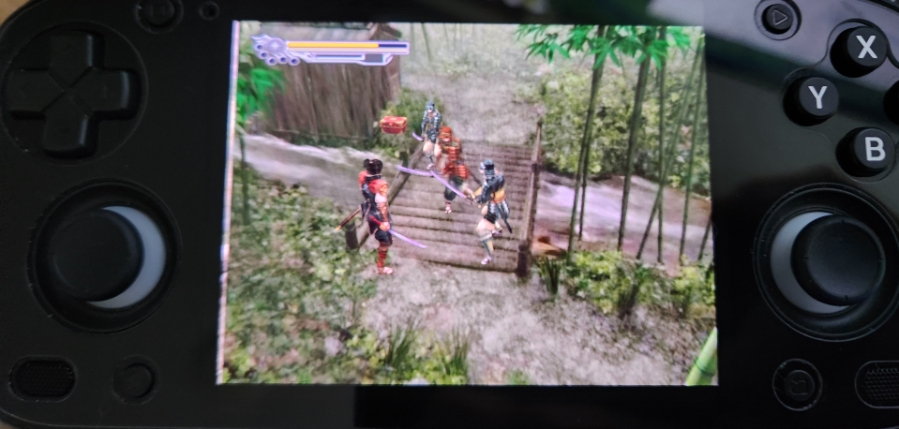
    Performance Test: Onimusha 2 Onimusha 2 also runs great at 2x resolution. However, a quick tip: if you use OpenGL, the character models might turn invisible. Make sure to select Vulkan to fix this glitch.
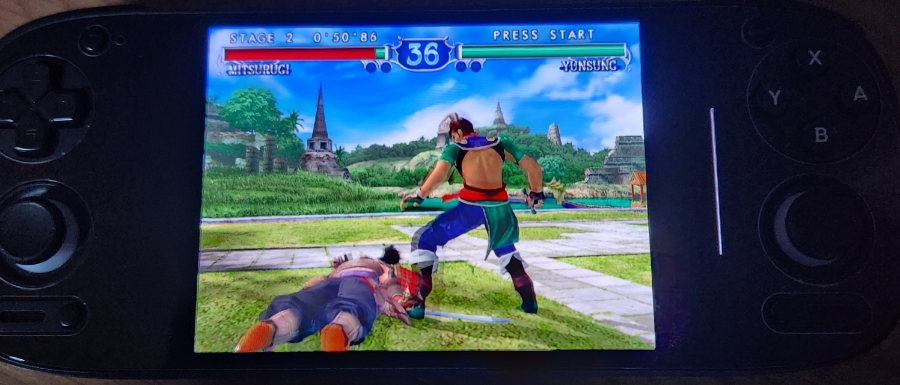
    Performance Test: Soulcalibur II Soulcalibur II had some minor stuttering on the RP4 Pro at 2x resolution, but here on the Pocket 5? It’s buttery smooth.
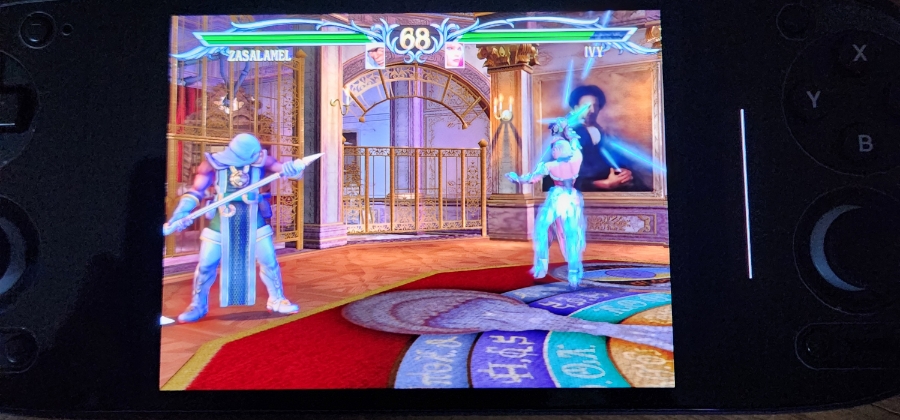
    Performance Test: Soulcalibur III Soulcalibur III also runs perfectly at 2x resolution.
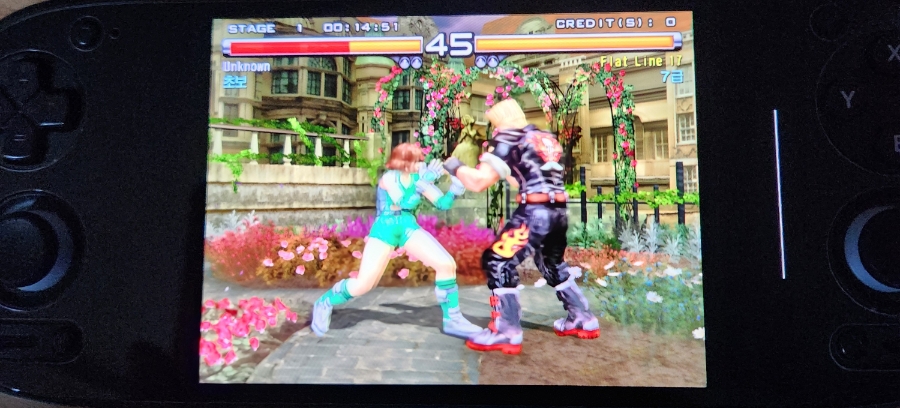
    Performance Test: Tekken 5 Tekken 5 handles 2x resolution with no issues.
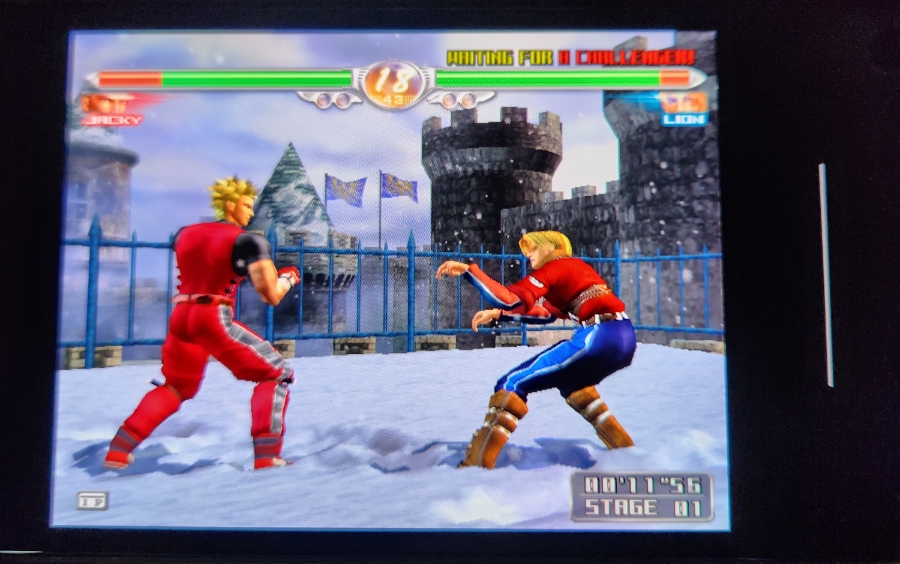
    Performance Test: Virtua Fighter 4 Virtua Fighter 4 is solid at 2x resolution.
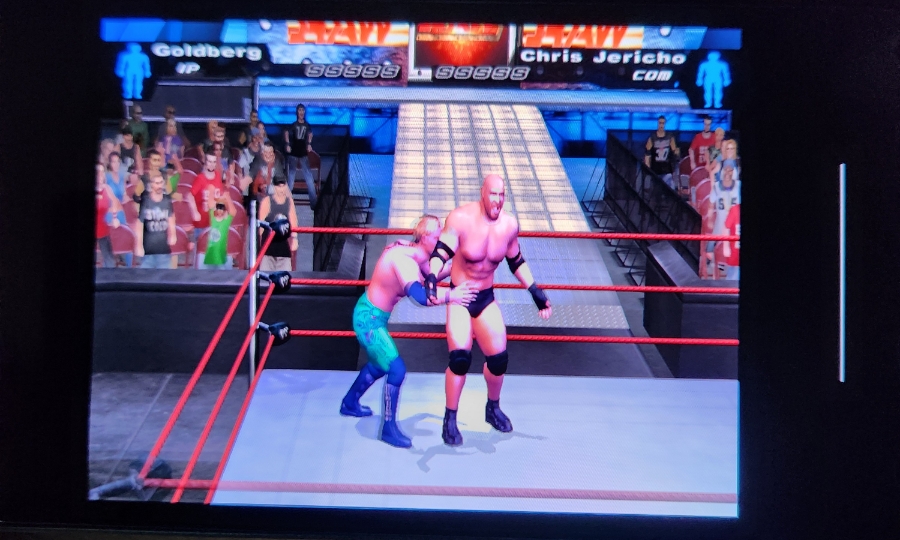
    Performance Test: WWE SmackDown! Here Comes the Pain WWE Here Comes the Pain also runs great at 2x resolution.
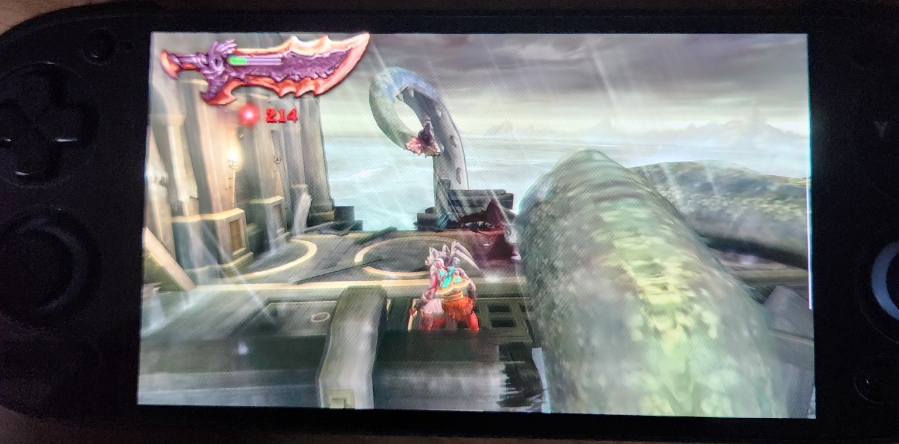
    Screen, Battery & Verdict: Needless to say, PSP games run effortlessly—even God of War runs well at 4x resolution.

    The bezels are thin, and since it’s an OLED panel, the true blacks are incredible. When playing 4:3 content, the letterboxing blends perfectly with the bezels, creating the illusion that you’re playing on a native 4:3 device.

    Since it’s Android, you can install Netflix and YouTube. You can also listen to music via Bluetooth headphones while gaming. It’s the size of a standard phone, making it the perfect companion for your subway or bus commute.

    Important Charging Warning: Unlike budget retro handhelds where high-voltage chargers can fry the motherboard, the Retroid Pocket 5 actually requires a charger that supports 9V or higher (PD charging) for fast and stable charging. If you try to use an old 5.1V charger, you risk overheating the charger itself.

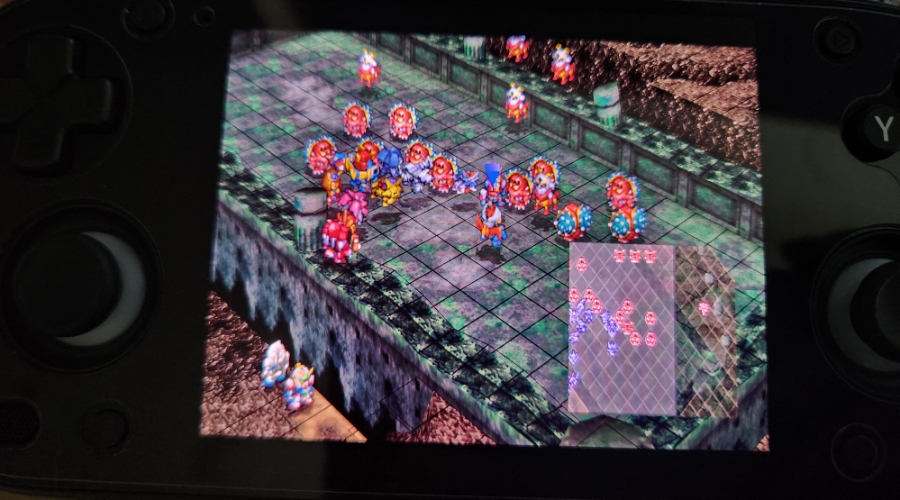
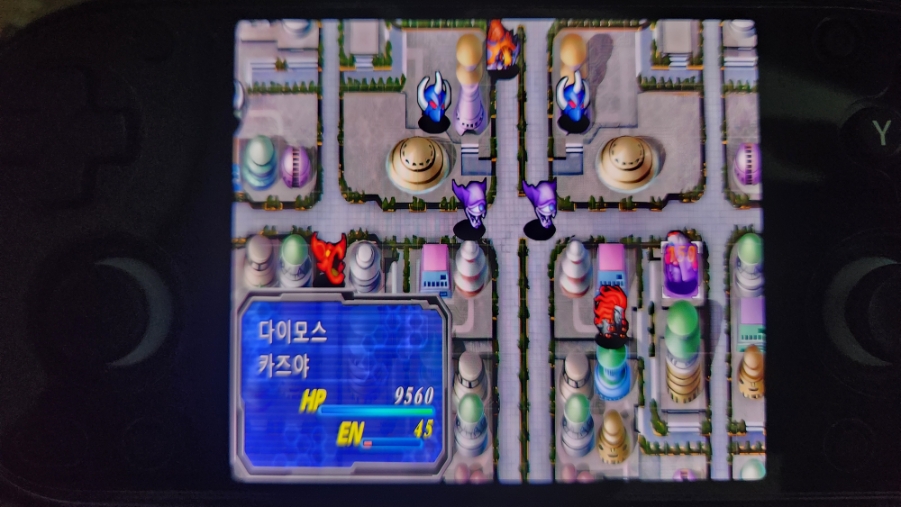
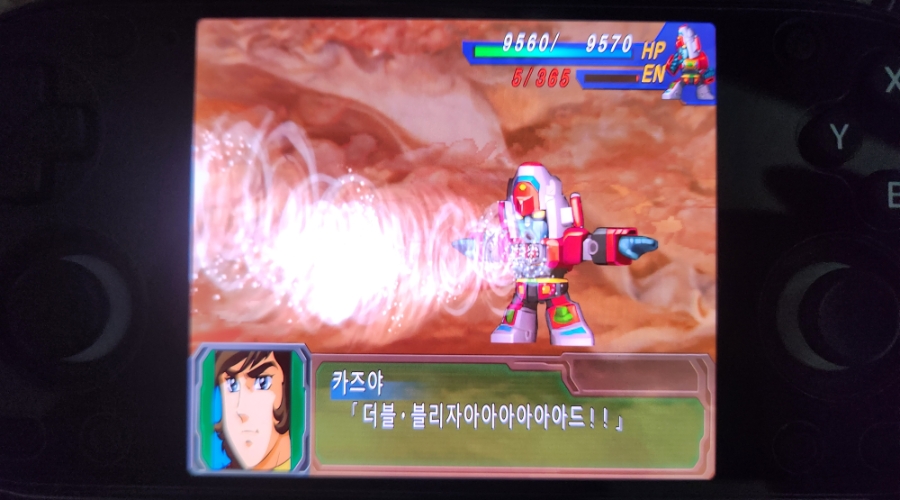
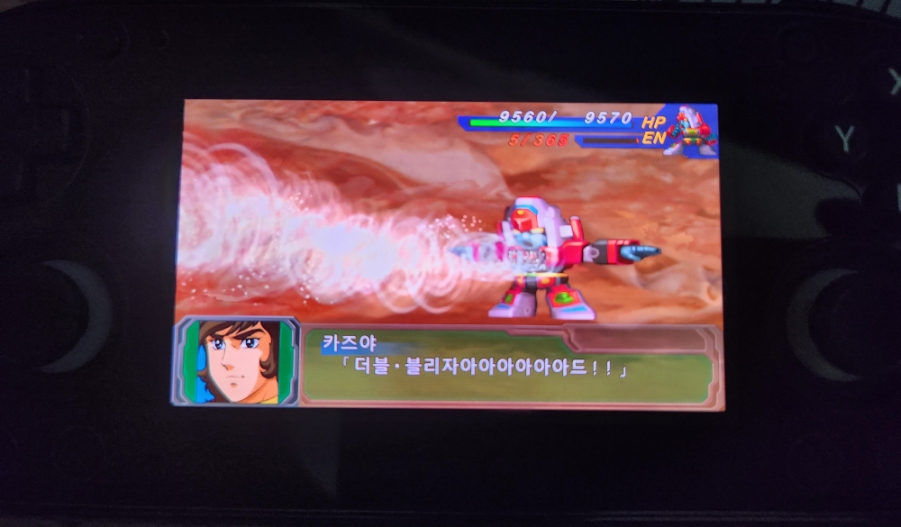
    Battery Life: The efficiency is impressive. I played Super Robot Wars Impact (PS2) for about an hour and a half, and it only drained about 10% battery. Also, while the RP4 Pro used to get warm, the RP5 stays incredibly cool. I really love this aspect of the device.

    Conclusion: All things considered, the Retroid Pocket 5 is the best retro handheld I’ve played so far. The only downside? The price. It’s a bit steep (over $200 USD).

    I’m already looking forward to Retroid’s next product. Please, Retroid, give us a 4-inch+ device with a native 4:3 screen next time!

    Note on Setup: Keep in mind that Android handhelds don’t come with emulators pre-installed. There is a stock launcher, but I barely use it.

    https://blog.naver.com/superasrada77/223371973989

    Outro: Please refer to my other blog posts for guides on setting up RetroArch and other frontends to get your library organized.

    Happy retro gaming, everyone!

    Original article in Korean: [link]
  • Retroid Pocket 5 Mini V2 – Hands-On Review

    By Super Asurada 77 | Retro Joy Lab

    Retroid has released both the Retroid Pocket 5 and its smaller sibling, the Pocket 5 Mini.
    However, many users complained about the smaller screen size.

    Then, quite suddenly, Retroid dropped the V2 version — and it’s now officially available on their website.
    I managed to get my hands on one and gave it a proper test.


    One of the biggest strengths of the Pocket 5 Mini is its light weight.

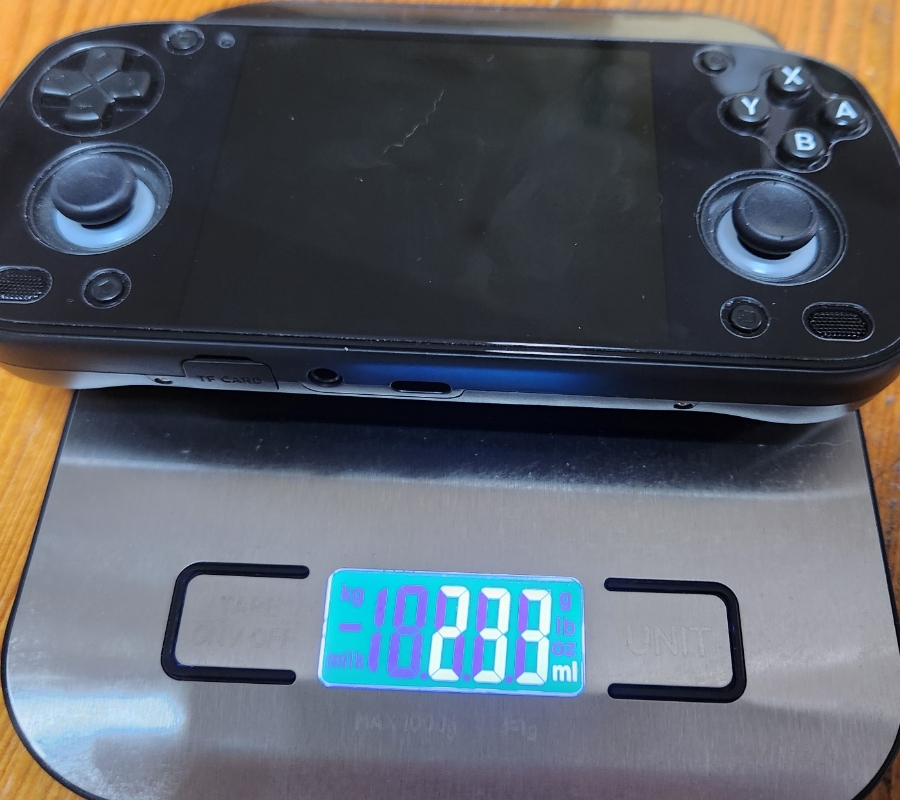
    The regular Pocket 5 weighs about 282 g, but the Mini tips the scale at only 233 g — incredibly light.
    Among all handhelds in the 200-gram class, this one easily leads in performance.

    It uses the same Snapdragon 865 chipset as the Pocket 5 — the very same chip found in the Galaxy S20 Plus.

    Unlike smartphones that can throttle performance due to heat (since they lack a fan),
    the Pocket 5 Mini includes active cooling, keeping frame drops under control even during demanding games.


    Performance:
    Even at 3× internal resolution, PS2 games run smoothly without lag.

    Kunoichi — a game that usually stutters on many handhelds — runs beautifully on this device.


    Onimusha 2 also plays effortlessly.


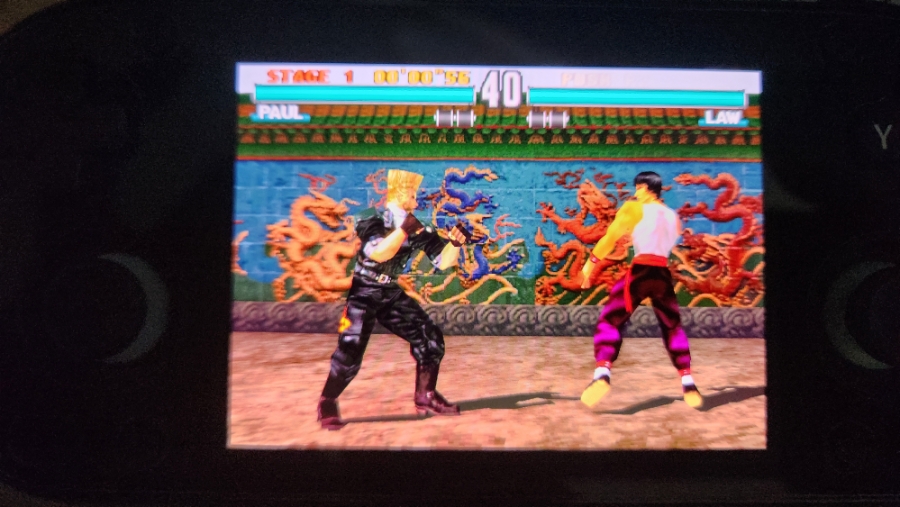
    Tekken 5 runs perfectly fine too.


    Even Super Robot Wars Impact performs like a charm.

    However…

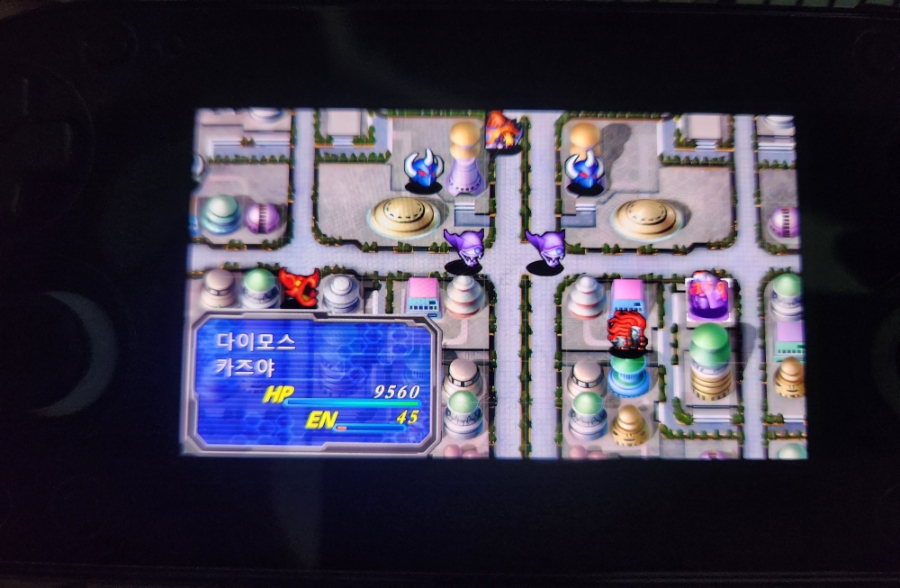
    When you open the map view, things get tough for us 40- or 50-something gamers with aging eyes.

    It’s really hard to tell the units apart! On the 2D tactical map, you can only distinguish red and blue units —
    but identifying the individual mechs is nearly impossible, even with the upgraded 3.9-inch display.


    On PSP, the screen appears slightly cropped at the top and bottom — so everything looks smaller.


    If you adjust the display scaling in the PSP emulator, it becomes much more comfortable to watch.


    At 1:1 aspect ratio, it feels crisp and clear —


    But returning to the original ratio makes it tiny again.
    Oh, my eyes… if only I could get my youth back!


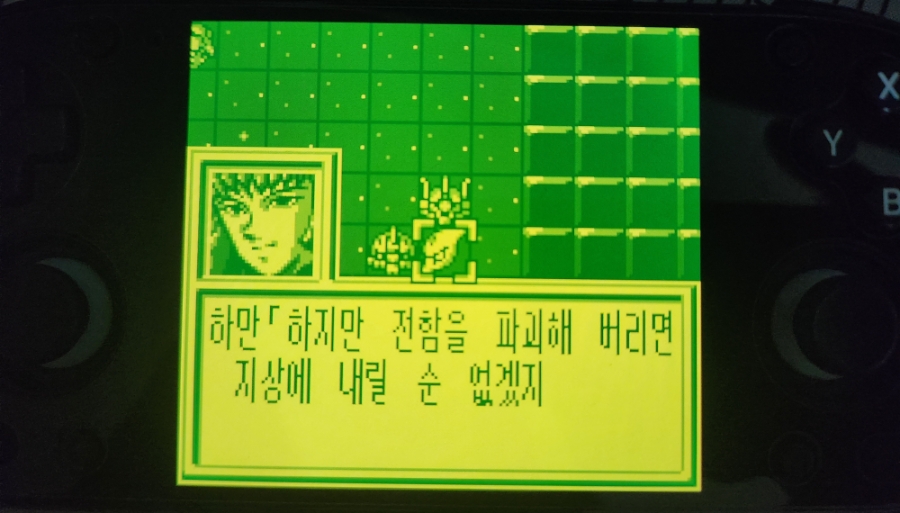
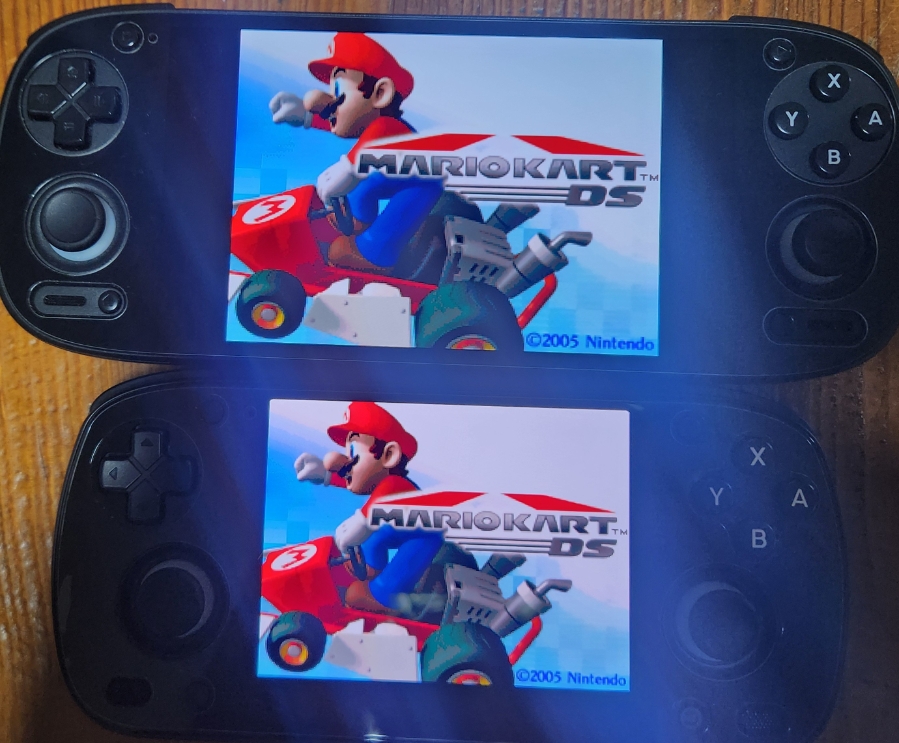
    Nintendo DS requires some tweaking too — the left and right edges may get cut off depending on the layout.


    Still, NDS games run extremely well.


    If the Pocket 5 Mini V2 handles Tekken 5 smoothly, then Tekken 3 (PS1) is absolute perfection.
    Even when you crank up all the graphical enhancements in the core settings, it doesn’t break a sweat.


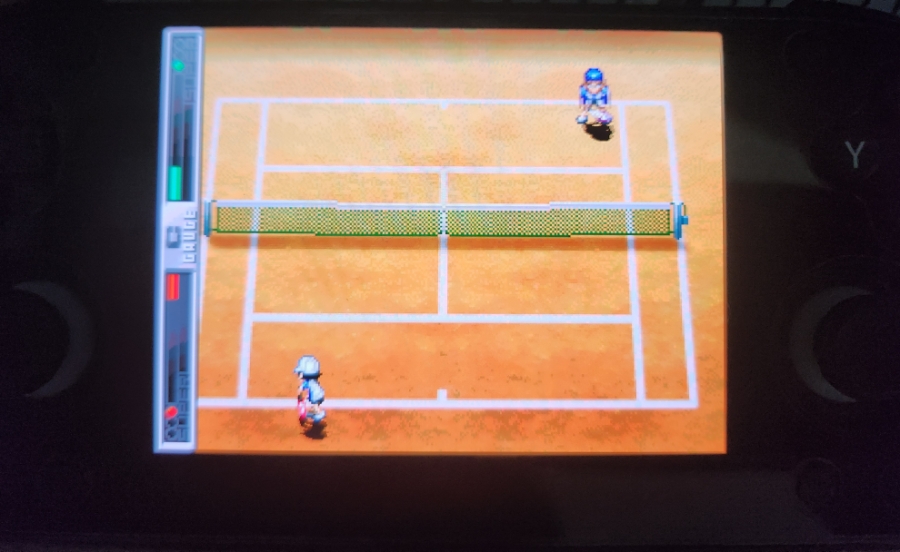
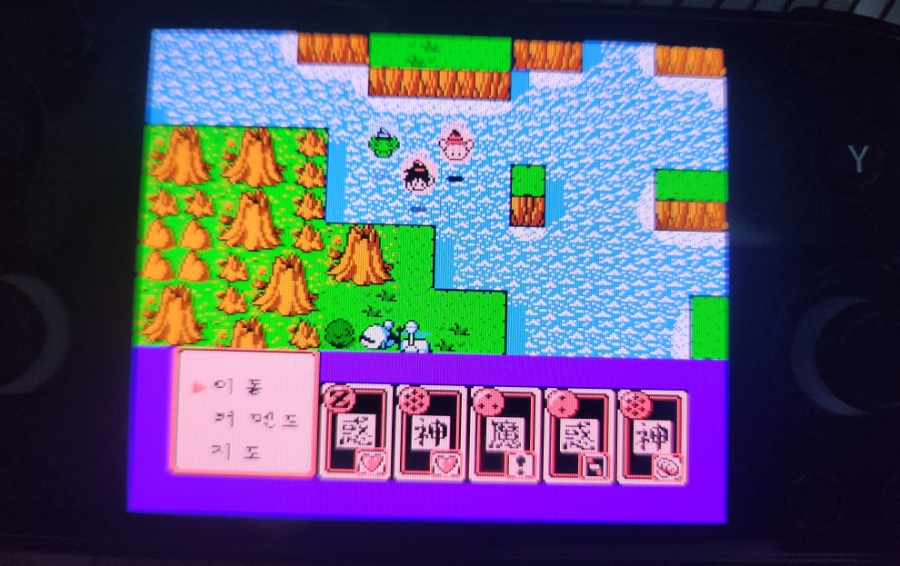
    Famicom (NES) originally had an 8:7 pixel aspect ratio,
    but on CRT TVs it was stretched to 4:3.
    With the emulator set to 8:7, you get a much more natural and satisfying view.


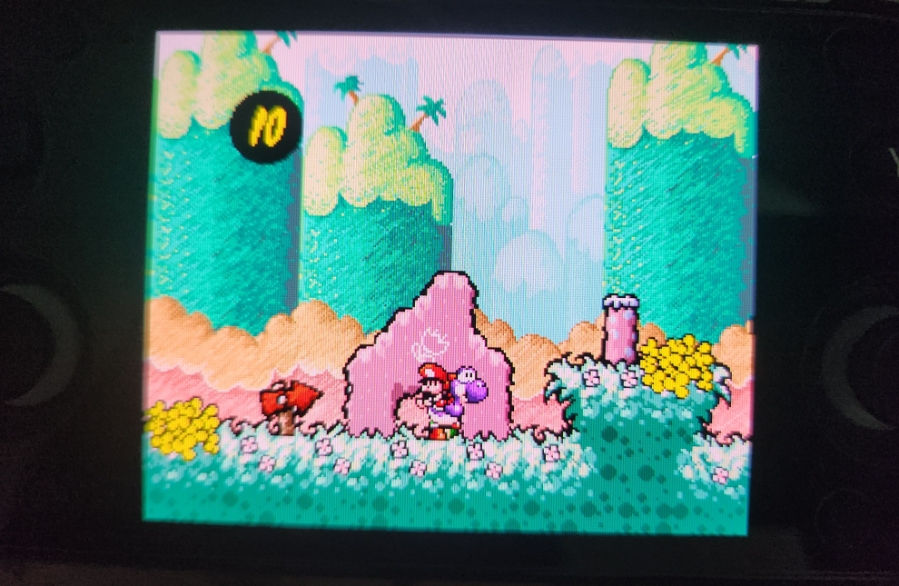
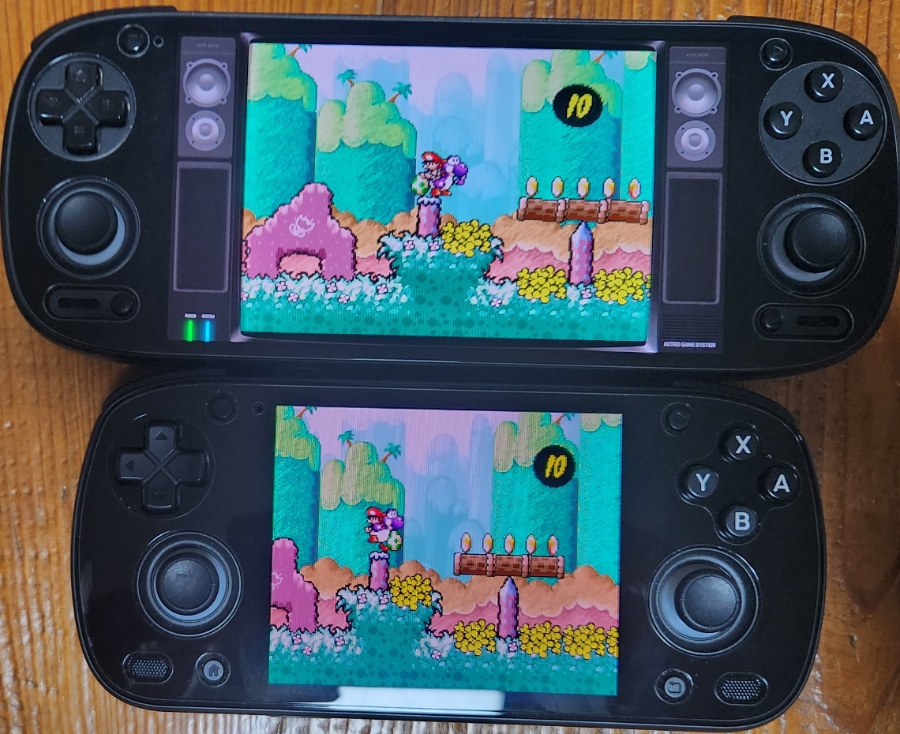
    Super Famicom (SNES) uses a similar ratio — set it to 8:7 and it looks fantastic on the V2 screen.
    This is one of the biggest visual advantages of the new version.


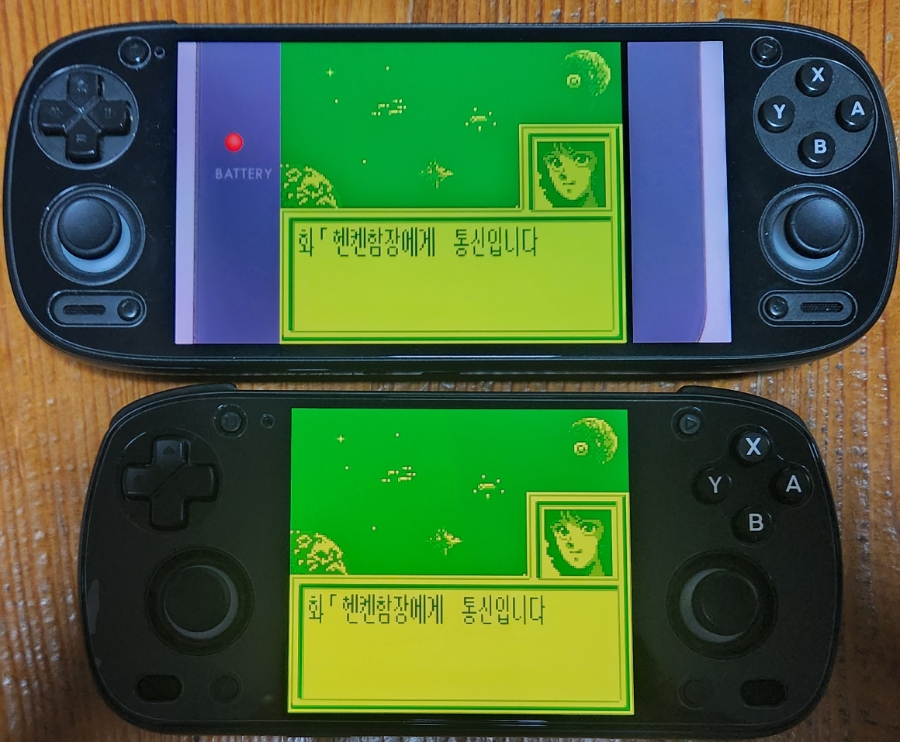
    Game Boy titles, with their nearly 1:1 aspect ratio, look perfect on the V2 display.


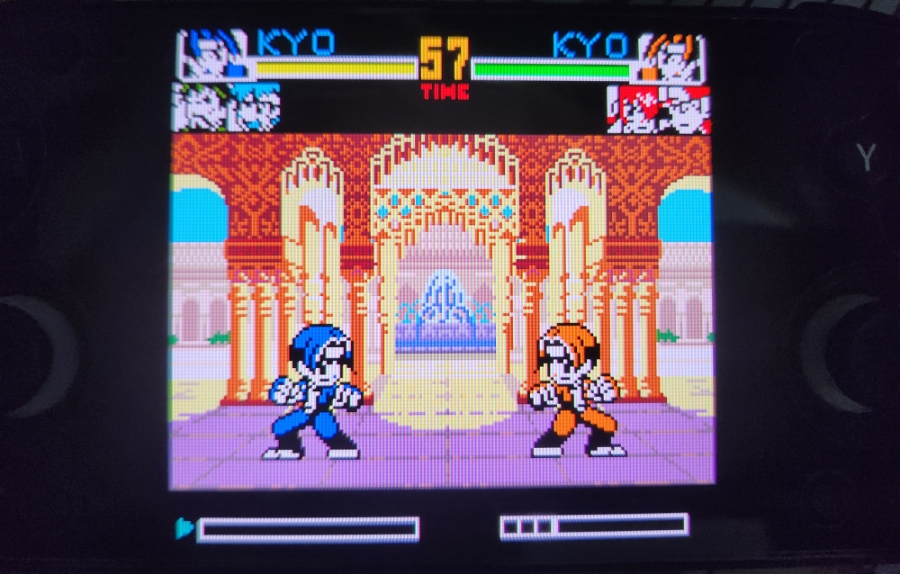
    Neo Geo Pocket games also match beautifully with this screen.


    And Game Boy Color runs wonderfully as well.
    You can enjoy most portable console titles in their original aspect ratios,
    almost identical to the feel of real hardware.


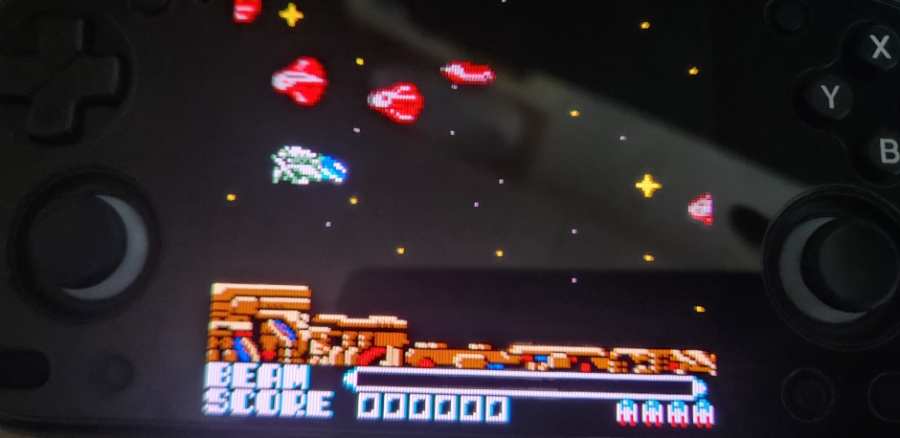
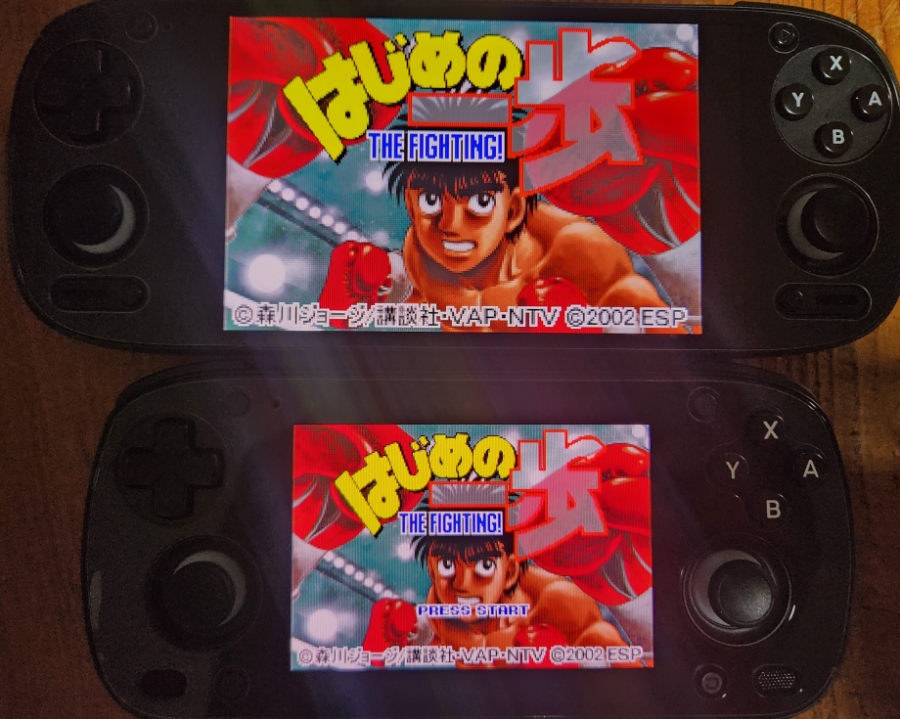
    Surprisingly, even Game Boy Advance titles look good —
    though you’ll notice thin letterbox bars on top and bottom, the image fits the V2 display naturally.


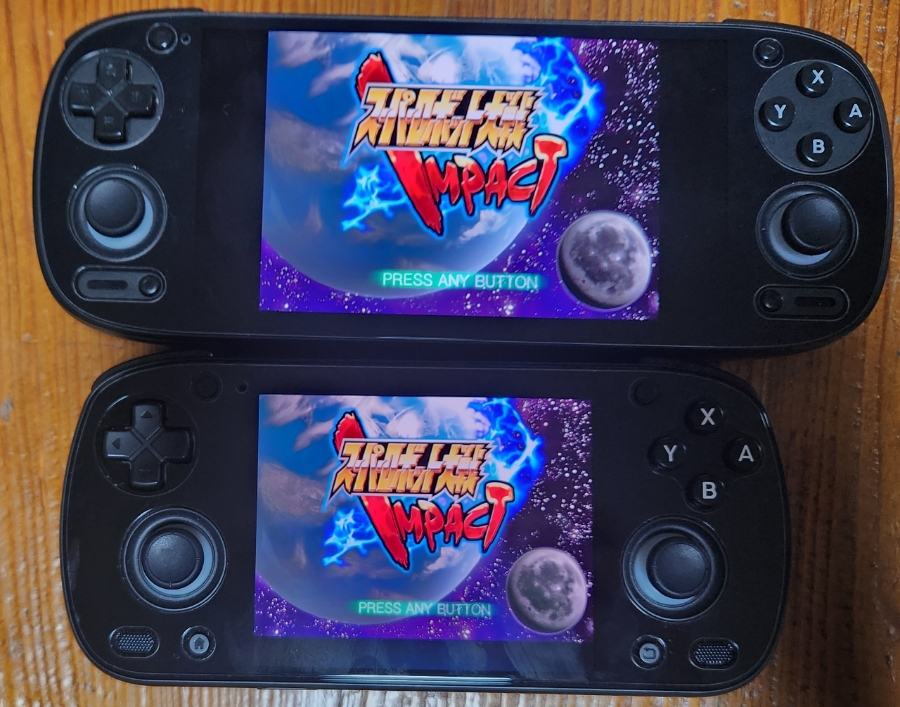
    I also compared PS2 gameplay between the Pocket 5 and Pocket 5 Mini V2.
    The difference? Practically none in performance.
    However, those tiny map screens will definitely test your eyesight!


    When it comes to Super Famicom games, the V2’s native 8:7 ratio really shines.
    Despite the smaller screen, it doesn’t feel cramped compared to the Pocket 5.


    Same goes for Famicom titles.


    NDS games are surprisingly enjoyable too.


    Interestingly, GBA graphics even appear sharper on the Mini V2 —
    whereas on the Pocket 5 you can clearly see the pixel grid.


    When it comes to Game Boy, the Pocket 5 Mini V2 wins hands down.

    If you enjoy long sessions — say, a full hour of Super Robot Wars
    you’ll appreciate the comfort and lightness.

    For comparison: playing the same game on the Odin 2 while lying down
    can make your wrist ache after an hour.
    The Mini V2, however, feels feather-light.


    Verdict

    If you value portability and want to enjoy classic consoles like the Famicom and Super Famicom
    in their authentic screen ratios, the Retroid Pocket 5 Mini V2 is highly recommended.

    It’s also a great choice for those who want smooth PS2 performance in a compact form.

    However, if your eyesight isn’t what it used to be,
    you might be happier sticking with the Pocket 5 instead — the larger display makes a real difference.


    A Few Notes

    • Bluetooth audio can disconnect occasionally in the subway — more often than on the Pocket 5 —
      but it only happens in weak-signal areas.
    • Charging: Supports fast charging.
      Don’t use a 5 V 1 A charger — it may overload and overheat.
      Always use 5 V 2 A or 9 V chargers for safety.

    Enjoy your retro gaming life!
    🎮 — Super Asurada 77

    Original article in Korean: [link]