(NES / Famicom, SNES / Super Famicom, Sega Genesis / Mega Drive, TurboGrafx-16 / PC Engine)
In the late 1980s and early 1990s, ninjas ruled the arcades and living rooms. Fast, stylish, and often brutally difficult, ninja action games became a staple of the 8-bit and 16-bit generations. Here are two standout titles featuring ninja protagonists on each of the four major systems of the era that still hold up for modern retro players.
Nintendo Entertainment System (Famicom)
1. Ninja Gaiden (1988 Japan / 1989 North America) Tecmo’s masterpiece stars Ryu Hayabusa, the Dragon Ninja, on a quest for revenge after his father’s murder. What set this game apart was its cinematic cutscenes (a rarity on the NES), tight wall-climbing and sword combat, and an infamous difficulty curve that still frustrates and delights players today. The combination of precise platforming, secondary weapons (shuriken, fire wheels, etc.), and dramatic storytelling made it a defining ninja experience of the 8-bit generation.
2. Shadow of the Ninja (1990) Developed by Natsume, this underrated gem lets you play as either Hayate or Kaede (or both in simultaneous co-op) as they infiltrate a dystopian future America ruled by the evil Emperor Garuda. The game features excellent climbing and hanging mechanics, weapon upgrades (katana to kusarigama), and a dark, stylish atmosphere. It plays like a more cooperative, slightly more approachable cousin to Ninja Gaiden and remains one of the best pure ninja action games on the system.
Super Nintendo Entertainment System (Super Famicom)
1. The Legend of the Mystical Ninja (1991 Japan / 1992 North America) Konami’s colorful take on the Ganbare Goemon series follows the mystical ninja Goemon (Kid Ying in the West) and his eccentric partner Ebisumaru (Dr. Yang). Blending side-scrolling action, town exploration, mini-games, and light adventure elements, it offers a much more lighthearted and humorous take on the ninja theme. The dual-character co-op, catchy music, and quirky Japanese humor make it a delightful contrast to the darker ninja games of the era.
2. Hagane: The Final Conflict (1994 Japan / 1995 North America) You control Hagane, a cyborg ninja rebuilt after his clan is wiped out, seeking revenge and the recovery of a powerful artifact. This late-era SNES title mixes classic ninja moves (wall jumps, flips, multiple weapons including sword, chain, shuriken, and bombs) with a cyberpunk aesthetic. Fast, fluid, and challenging, it feels like a spiritual successor to Shinobi and Ninja Gaiden with impressive 16-bit production values.
Sega Genesis (Mega Drive)
1. The Revenge of Shinobi (1989) Joe Musashi returns in this stylish sequel that perfected the formula. Beautiful Stage 1 music by Yuzo Koshiro, smooth ninjutsu powers, and a perfect balance of platforming and combat made this one of the early showcases for the Genesis. The combination of shuriken throwing, sword strikes, and special ninjutsu techniques still feels fantastic.
2. Shinobi III: Return of the Ninja Master (1993) Widely regarded as one of the best pure action games on the Genesis, Shinobi III gives Joe Musashi even better controls, more varied stages, and a refined difficulty curve. Running, sliding, wall-jumping, and the classic shuriken + sword combat reach their peak here. Many consider this the high point of the classic Shinobi series.
TurboGrafx-16 (PC Engine)
1. Ninja Spirit (1990) Irem’s excellent port of their own arcade game stars the ninja Moonlight (Tsukikage) seeking revenge for his father’s death. What makes it special is the ability to switch freely between four weapons (katana, shuriken, bombs, and kusarigama) and the ability to summon shadow clones. The TG-16 version is extremely close to the arcade original and stands as one of the system’s strongest pure action titles.
2. Shinobi (1989 – primarily Japan) Asmik’s HuCard port of Sega’s classic arcade game brings Joe Musashi to the PC Engine. While it trims some content compared to the arcade (most notably Stage 2 and the bonus stages), the core gameplay, graphics, and speed remain excellent. For fans of the original Shinobi, this is still a very enjoyable version and a nice companion piece to Ninja Spirit on the same hardware.
These eight games capture the full range of what “ninja game” meant in the 8- and 16-bit eras — from the punishing cinematic platforming of Ninja Gaiden to the colorful humor of Mystical Ninja, the cyberpunk style of Hagane, and the refined action of the Shinobi series.
Whether you’re rediscovering these classics on original hardware, emulators, or modern re-releases (Nintendo Switch Online, etc.), they remain some of the most satisfying and atmospheric action games of their generation.
Introduction: The Unforgettable Magic of the 90s Arcade Floor
In the mid-1990s, the local arcade was a battleground of pride, muscle memory, and quarters lined up on cabinet marquees. Gamers did not just play games; they studied them like martial arts masters.
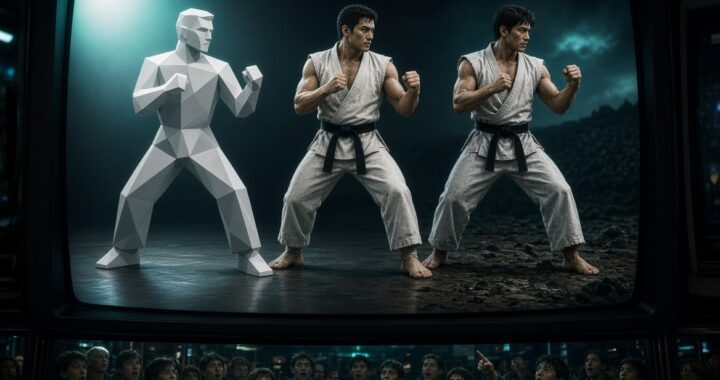
When 3D fighting games took over the world, Sega’s Virtua Fighter was the undisputed pioneer. But another titan was quietly sharpening its blades in Namco’s development studios: Tekken.
Over the course of three legendary releases in the 90s, Tekken transformed from what many initially dismissed as a simple 3D clone into the most thrilling, adrenaline-pumping fighting franchise on Earth.
Central to this transformation was a revolutionary execution mechanic that reshaped how we approached combat: The 10-String Combo (10단 콤보).
Here is the story of living through Tekken 1, experiencing the sheer disbelief of Tekken 2’s move lists, and feeling the unmatched euphoria of executing flawless 10-String sequences in Tekken 3.
1. Tekken 1 (1994): The Initial Impression of a “Virtua Fighter Clone”
When Namco unveiled the original Tekken on their System 11 arcade hardware in late 1994, the initial reaction from seasoned arcade dwellers was cautious skepticism.
+--------------------------------------------------------------------------+
| TEKKEN 1 (1994) |
| Initial Impression: A blocky challenger in Virtua Fighter's shadow |
| Key Innovation: 4-button limb control layout (LP, RP, LK, RK) |
+--------------------------------------------------------------------------+
Having already been captivated by Sega’s Virtua Fighter, many players looked at Tekken 1 and saw a follower rather than a leader. Its blocky polygons and exaggerated jump physics seemed to borrow heavily from Sega’s blueprint.
However, beneath the surface lay a crucial innovation that set it apart: the four-button limb system.
By assigning each face button to a specific limb—Left Punch, Right Punch, Left Kick, Right Kick—Namco laid the groundwork for an intuitive, rhythm-based execution style that felt distinctly different from Sega’s 3-button layout.
2. Tekken 2 (1995): The “10-String Combo” Disbelief
In 1995, Tekken 2 stormed into arcades, completely obliterating any remaining doubts about the franchise. It featured smoother character models, iconic music, and a roster packed with colorful personalities like Kazuya Mishima, Heihachi, Paul Phoenix, and King.
It was also the era when arcade cabs began featuring printed Move Lists (기술표) side-by-side on the control panel marquee.
+-------------------------------------------------------------------------+
| THE 10-STRING COMBO SHOCK |
| Printed Move List: [LP, RP, LP, RP, LK, RK, LP, RP, LP, RP] |
| Player Reaction: "Wait... ALL of these inputs connect in ONE sequence?!" |
+-------------------------------------------------------------------------+
The Disbelief at the Marquee
Staring at the Tekken 2 cabinet marquee for the first time was a jaw-dropping moment. Nestled at the bottom of each character’s move list was a daunting sequence of 10 consecutive button presses labeled as the 10-String Combo.
We stared at the panel in sheer disbelief: “Do all ten of these inputs really chain together into one uninterrupted, devastating combination?”
Testing it out in an actual match was mind-blowing. Hearing the rhythm of sequential hits connecting—accompanied by Namco’s crunching hit-sparks—proved that Tekken was no longer just a 3D fighter; it was a rhythmic instrument of martial destruction.
3. Tekken 3 (1997): The Peak of Muscle Memory and Arcade Euphoria
By the time Tekken 3 debuted on Namco’s System 12 hardware in 1997, the game had achieved absolute perfection. With dynamic sidestepping, lightning-fast 60 FPS movement, and new icons like Jin Kazama, Hwoarang, and Eddy Gordo, it became a global cultural phenomenon.
For dedicated players, Tekken 3 was the ultimate test of execution. We spent countless hours studying frame data, memorizing character-specific 10-String Combos, and practicing high-damage infinite/juggle setups.
+-------------------------------------------------------------------------+
| TEKKEN 3 EXECUTION MASTERY |
| The Setup: Counter-hit launcher or round-opening pressure |
| The Execution: Rhythmic precision, precise timing, no dropped inputs |
| The Payoff: Watching your opponent's health bar melt away in real time |
+-------------------------------------------------------------------------+
The Pure Rush of Real-Match Execution
There was no feeling in the 1990s arcade quite like trapping an opponent in a real-world match and unleashing a fully memorized 10-String Combo or infinite string.
The Physical Rhythm: As your fingers danced across the four arcade buttons with machine-gun speed, you felt the tactile click of the microswitches matching the rhythm on screen.
The Opponent’s Panic: Watching the player sitting across or beside you panic as their character was locked into high-damage hit-stun was pure psychological dominance.
The Final Hit: Landing the 10th and final blow to shatter their guard, take the round, and force them to reach back into their pocket for another quarter was an unparalleled rush of dopamine.
Summary Matrix: The Evolution of Tekken’s Mastery
Game Title
Arcade Hardware
Initial Perception
Defining Execution Memory
Tekken 1 (1994)
Namco System 11
Viewed as a Virtua Fighter follower
Learning the 4-button limb layout
Tekken 2 (1995)
Namco System 11
Recognized as an arcade titan
Shock and awe at the 10-String printed move lists
Tekken 3 (1997)
Namco System 12
The undisputed King of 3D Fighters
The adrenaline rush of landing full 10-String combos in matches
Conclusion: The Unmatched Spirit of 90s Arcade Rivalries
Looking back, Tekken’s journey from a modest 3D contender to the undisputed king of fighting games is one of the greatest success stories in gaming history.
While Virtua Fighter taught us respect for spatial 3D physics, Tekken gave us the thrill of execution, character expression, and the intoxicating sensation of mastering complex combo mechanics.
For anyone who spent their teenage years in a noisy, neon-lit 1990s arcade, the memory of memorizing those 10-String Combos and executing them under pressure against a challenger remains a badge of honor that time can never erase.
Frequently Asked Questions (FAQ)
Q1: Can 10-String Combos in Tekken be blocked?
Yes! Unlike air juggles, 10-String Combos are grounded sequences that alternate between high, mid, and low attacks. Experienced players can crouch or low-parry specific hits within the sequence to interrupt the combo and punish the attacker.
Q2: What made Tekken 3 so much faster than Tekken 1 and 2?
Namco completely revamped the movement system in Tekken 3 by reducing jump heights, introducing true 3D sidestepping into the background/foreground, and running the game engine at a rock-solid 60 frames per second on upgraded System 12 arcade hardware.
Join the Discussion
Which character’s 10-String Combo did you learn first in Tekken 2 or Tekken 3? Were you a Jin, Paul, King, or Law main back in the arcade days? Share your favorite memories in the comments below!
Introduction: The Golden Age of Arcade Technological Leaps
If you grew up hanging around dimly lit arcades in the 1990s, you lived through a golden era of technological marvels. Unlike today, where modern home consoles and gaming PCs dictate graphical benchmarks, the 1990s arcade was a sacred sanctuary of cutting-edge supercomputers. You had to physically walk into an arcade, drop a quarter into a cabinet, and witness visual feats that no home TV could ever hope to replicate.
At the absolute center of this technological arms race was Sega AM2 and its visionary game director, Yu Suzuki.
Through the legendary Virtua Fighter trilogy, Sega did not just release three consecutive fighting games; they administered three distinct, heart-stopping “technological shocks” to the gaming world.
Here is what it felt like to experience the mind-blowing leaps from Virtua Fighter 1 to 2, and finally 3—and the painful “reverse culture shock” of stepping backward after witnessing the future.
1. Virtua Fighter 1 (1993): The Sacred Shock of Flat-Shaded 3D
In late 1993, arcades were dominated by magnificent 2D pixel art. Titles like Street Fighter II Turbo and Mortal Kombat represented the absolute peak of sprite-based fighting games.
Then, a massive, glowing cabinet housing Sega’s Model 1 hardware arrived: Virtua Fighter.
+--------------------------------------------------------------------------+
| VIRTUA FIGHTER 1 (1993) |
| Hardware: Sega Model 1 Arcade Board |
| Graphic Style: Flat-shaded polygons (no texture mapping) |
| Performance: 30 Frames Per Second |
+--------------------------------------------------------------------------+
The Initial Mind-Blow
To see Virtua Fighter for the first time in 1993 was a sacred, almost disorienting experience. For the first time in history, martial artists were not 2D drawings moving across a flat plane. They were 3D volumetric figures constructed out of flat-shaded polygons.
Characters like Akira Yuki and Lau Chan looked like living geometric statues. When the camera dynamically zoomed in during a throw or panned around a defeated fighter, the arcade crowd audibly gasped.
It was primitive by modern standards—lacking facial features, hair physics, or surface textures—but it established a brand-new dimension. We were no longer looking at pictures; we were looking at solid mathematical objects moving in three-dimensional space.
2. Virtua Fighter 2 (1994): The Photorealistic Quantum Leap
Just one year later, in late 1994, Sega unveiled Virtua Fighter 2 on their legendary Sega Model 2 arcade board.
Nothing could have prepared gamers for what was waiting inside that cabinet.
Virtua Fighter 2 did not just improve on the original—it rendered its predecessor completely obsolete overnight.
Texture Mapping & 60 FPS: Suddenly, characters had actual facial features, fabric textures on their gis, individual fingers, and flowing hair. Running at a butter-smooth 60 frames per second, the motion was so lifelike it felt like watching live-action martial arts motion capture.
The “Reverse Shock” of VF1: Walking away from Virtua Fighter 2 to play Virtua Fighter 1 again felt like taking a painful time machine back to the Stone Age. The flat, origami-like blocks of VF1 that had amazed us just twelve months earlier suddenly felt clunky, rigid, and prehistoric.
The leap was so massive that Virtua Fighter 2 became a true cultural phenomenon, filling arcades around the globe with endless lines of eager challengers.
3. Virtua Fighter 3 (1996): The Apex of Arcade Engineering
By 1996, home consoles like the Sony PlayStation and Sega Saturn were trying their best to replicate early 3D gaming. But Sega had a secret weapon that would once again shatter all perceived limitations: the Sega Model 3 arcade hardware.
When Virtua Fighter 3 debuted in late 1996, it was a display of graphical power so advanced that it looked like alien technology dropped into a 1990s arcade.
Virtua Fighter 3 achieved things that home consoles wouldn’t be able to handle for almost half a decade:
Uneven 3D Terrain: For the first time, fighting arenas were not flat boxes. Characters fought on sloped rooftops, stairs, and uneven sand dunes, altering hitboxes based on elevation.
Dynamic Physics & Clothing: Character clothing rippled naturally in the wind. Characters’ eyes dynamically tracked their opponent’s movements, and muscles appeared to flex beneath their skin.
Lighting & Reflection: Water ripples, metallic glimmers, and environmental shadows were rendered with photorealistic precision.
The Second Reverse Culture Shock
After witnessing the staggering visual fidelity, flowing coats, and sloped roof battlegrounds of Virtua Fighter 3, stepping back to play Virtua Fighter 2 produced another immediate wave of reverse culture shock.
Even though VF2 was a masterpiece, its perfectly flat arenas and static clothing suddenly felt flat and artificial compared to the living, breathing, physically reactive world of VF3. Sega had redefined the upper boundary of interactive media once again.
Summary Matrix: The Evolution of Arcade Supremacy
Game Title
Arcade Board
Major Technological Innovation
The Player Reaction
Virtua Fighter 1 (1993)
Sega Model 1
First 3D flat-shaded polygon fighter
Sacred shock; birth of a new 3D dimension
Virtua Fighter 2 (1994)
Sega Model 2
Texture mapping, 60 FPS, fluid motion capture
Total amazement; made VF1 look instantly ancient
Virtua Fighter 3 (1996)
Sega Model 3
Uneven terrain, real-time clothing & eye physics
Awestruck; redefined realistic 3D environments
Conclusion: The Lost Magic of Arcade Tech Shocks
Today, incremental graphical improvements between console generations are measured in subtle shadow density, ray-tracing reflections, and frame-rate stability. While impressive, modern gaming rarely produces the raw, jaw-dropping “technological shockwaves” that defined the 1990s.
The Virtua Fighter trilogy stands as a historical testament to a golden age when arcade hardware pushed human imagination forward by leaps and bounds every single year.
For those who were fortunate enough to stand in those crowded 1990s arcades, feeling the awe of VF1, the fluid perfection of VF2, and the boundary-pushing mastery of VF3—and suffering the severe “reverse shock” in between—it remains an unforgettable chapter in video game history.
Frequently Asked Questions (FAQ)
Q1: Why did Virtua Fighter 3 never come out on the Sega Saturn?
The Sega Model 3 arcade board was vastly more powerful than the Saturn. While Sega AM2 attempted to engineer a Saturn port (even exploring specialized graphics cartridges), the system hardware simply could not handle the complex 3D math and uneven terrain physics without severe downgrades. It was eventually released as a launch title on the 128-bit Sega Dreamcast in 1998.
Q2: Who co-developed the arcade hardware behind Virtua Fighter 3?
Sega partnered with Real3D, a commercial graphics division of military technology giant Lockheed Martin, to design the Sega Model 3 arcade board. This military-grade engineering allowed Sega to achieve real-time 3D rendering performance that surpassed any consumer hardware available at the time.
Join the Discussion
Do you remember the first time you saw a Virtua Fighter cabinet in a 1990s arcade? Did you experience that same graphical “reverse culture shock” when looking back at earlier 3D titles? Share your nostalgic arcade stories in the comments below!
For gamers in their 40s and beyond, here’s a title that lets you finally beat that impossible childhood game — thanks to the magic of forced save/load tricks!
It’s The Revenge of SHINOBI, a legendary 1989 Sega title that helped define the 16-bit Mega Drive era. Known in Korea as Super Shinobi, this classic ninja adventure is a true symbol of Sega’s golden age.
Basic Controls:
A Button: Ninja Magic B Button: Attack or Throw Shuriken C Button: Jump Press Start, then use the D-pad to select your ninja spell.
Jump → Jump again: Double Jump Attack at the peak of a double jump: Multi Shuriken Throw (only works if you have enough shuriken).
Ninja Magic:
Flame Technique – Summons a blazing dragon that fills the screen, burning all enemies.
Thunder Technique – Your body becomes surrounded by lightning, making you temporarily invincible. But take a few hits, and it wears off.
Clone Technique – Boosts your jump height slightly. Honestly, I rarely use it. Seems cool, but not essential for boss fights.
Suicide Technique – Sacrifice one life to damage nearby enemies. You’ll revive instantly with full health and one magic use restored. Extremely useful for boss battles if you have extra lives!
Now, let’s begin the game.
Middle-aged gamers have their pride — full 90 shuriken stock, difficulty set to NORMAL. Hold that pride high! “Normal mode” is our badge of honor.
Round 1 begins. Wait, why are we fighting again? Are we saving the world… or did someone kidnap our girlfriend?
Oops, pressed the wrong button? Yep — you just wasted your ninja magic on a random grunt. Better restart.
A rock bridge? Step close and it starts moving — the arrow appears, and you go the opposite way.
Enemies swarm in waves, but we’ve got plenty of shuriken left. Fire away!
Here comes a boss in cool armor — I love that color scheme!
When he swings his sword from the wall, hit him midair with multi-shuriken. Perfect timing!
That armor’s gorgeous — changing colors like it’s AI-controlled. Man, I want one!
Round 2: The waterfall stage.
This is where most players hit their first wall. Don’t worry — the mighty save/load trick will carry you through.
The waterfall is beautiful… but fall off, and you’ll lose a precious life.
Ugh, those falling logs! You’ll need perfect double-jump timing to land safely. Trust your rhythm — if you can leave your office exactly at 6:00:00 PM, you’ve got this.
Make it across the logs, and you’ll see the exit.
Now the city stage begins. A nun turns into a ninja, and a guy straight out of a Jackie Chan movie attacks with flying kicks!
It’s total chaos — take them down one by one, calmly and precisely. If they won’t listen, well… shuriken and sword it is.
Stop attacking me already! It hurts!
I’m exhausted… time to chill at the club.
Yep, it’s a club — but the boss shows up using Clone Magic!
Take down his clones first, one by one.
Then unleash your Flame Magic to burn off your stress!
On to Round 3. The difficulty spikes here.
Looks like an airfield. Japanese soldiers fire guns, toss grenades, and use flamethrowers. Time to rely on our best friends: save and load.
Boarding an airship now.
Why does that door keep opening? The maintenance crew’s clearly slacking. They need a 3 AM wake-up drill!
Exit ahead — wait for the door to close before passing. Your life is precious!
Boss time: a machine boss. Aim for the glowing vacuum-tube parts. Almost smashed my console, but held back — hardware is sacred!
Round 4: The Waste Disposal Plant.
Look at those neatly parked vehicles — way better than our lazy mechanics. You guys deserve a bonus!
Boss fight — wait, is that… Schwarzenegger?! No way… is this Terminator?
Yep. It’s definitely the Terminator.
Round 5: The Skyscraper Stage.
Fight your way through the building’s enemies…
Then head out to the city streets. Wait — is that nun back again?
She’s no nun — she’s a kunoichi, a female ninja!
Enough already — stop attacking!
Time to make a run for the exit!
Another machine-type boss. Electric shocks, gas attacks, the works.
Hit the red button-like core. It’s all about rhythm — jump to dodge the electricity, and time your shuriken toss perfectly.
Round 6 begins.
Looks like Chinatown — fittingly, the BGM is called “China Town.” I still love listening to it. The composer Yuzo Koshiro also did Streets of Rage!
That enemy blocks all shuriken. Dodge his attack, then strike up close.
Avoid the woman if you can — she takes multiple hits to go down.
I get it, you want to protect her. But survival first — retreat if needed!
Wait, are you her boyfriend? Sorry, man. My girlfriend’s kidnapped — I’ve got my own rescue mission!
Didn’t move aside? Fine, have some shuriken! Exit’s up ahead.
Now you’re fighting on top of a speeding train. Seriously? Yeah, definitely a kidnapped-girlfriend plot.
Still, the wind feels great up here!
Wait… Spider-Man?! Earlier we had Terminator — now this? Guess licensing wasn’t a big deal back then!
Spider-Man transforms into a bat. I thought you were supposed to be a spider! Anyway, hit and dodge, one strike at a time. Finally defeated the bat!
Round 7 — almost there, stay strong!
At the docks, precision jumping is key. Enemies always wait near landing spots, so throw shuriken preemptively.
Board the ship.
Wander through until you find the boss room.
################################## Whoa… a giant dinosaur?! We’ve had Terminator, Spider-Man… and now Godzilla?
Dodge its fire breath and tail swipes — aim only for the head. You can do this!
Final Stage: Round 8. Are we rescuing our girlfriend or saving the world? Maybe both.
Epic waves crash in the background — true 16-bit power on display!
That cannon fire is infuriating.
Now entering the enemy base — ZEED Headquarters.
Careful — one wrong door and you’ll loop endlessly like a maze.
Each door has a kanji number. Door #4 on-screen is your target — pick wrong, and you’ll go in circles.
In the underground, crouch through tunnels to grab lots of power-ups. You’ll need to max out before the final boss. Activate Thunder Magic to stay powered up before entering.
Finally, the final boss chamber.
See the woman in the background? That’s your girlfriend.
Rocks start falling — it’s a timed battle! Hit the boss only when his wig attack exposes him.
You defeated him… but your girlfriend got crushed by the falling rocks.
Our hero is devastated.
Ah… I couldn’t save her.
He stares silently into the distance.
A falling star crosses the sky — he remembers her. The game ends in a sad ending.
But wait! We’ve got the power of save/load magic.
Reload before the final fight — make sure you’re fully powered up.
When he attacks with the wig, counter immediately with a powered shuriken. Dodge with double jumps, maintain your power, and you’ll win in time.
This time, you save her — before the rocks fall!
She escapes the prison and runs toward you.
The lovers reunite in an embrace.
They hold each other close, comforting one another.
Now, they gaze at the horizon together — a true happy ending.
My hands and eyes are exhausted… but my heart is full. Time to rest, shed a tear, and move on to the next retro adventure.
Have fun, and enjoy your retro gaming life!
✅ Retro Joy Lab – Your daily dose of nostalgic energy! by Super Asurada 77
Back in elementary school, whenever I stopped by the arcade, I could always spot a game where a ninja-like hero threw shurikens across the screen.
But strangely, this ninja didn’t wear a mask — and he even fired a gun! That alone blew my young mind. When he used the clone technique, it was pure exhilaration. Of course, the game was brutally difficult. As a kid, I could barely make it past the first boss.
Now, thanks to save states and emulation magic, we can finally enjoy this classic all the way to the end.
Released by SEGA in 1987, Shinobi was a defining ninja-action arcade game.
Basic Controls:
A Button – Throw Shuriken
B Button – Jump
C Button – Ninjutsu (clone technique to clear all enemies)
↑ + Jump – Climb up a ledge or wall
↓ + Jump – Drop down a level
↓ + ← / → – Crouch and move
Insert a coin, and the mission begins.
Mission 1: “Chase the Terrorists!”
Time to face the first boss — KEN OH.
Oops! Accidentally used the clone ninjutsu too early… but that’s fine — we’ve got infinite coins now!
To climb a wall, press Up + Jump together. Rescue the kidnapped children before heading to the boss.
The boss launches fire attacks and retreats quickly.
Wait, is that Spider-Man?! Back then, nobody cared about licensing. If you could draw it, it was fair game!
You find yourself surrounded — mentally, you already have a perfect strategy… but your hands betray you.
Enemies charge like something straight out of Fist of the North Star.
You think you’ll dodge and counter perfectly — but reality says otherwise.
The boss escapes again! Let’s go after him.
Avoid the flames and strike when there’s an opening. You know the pattern — now it’s just about execution. Use your save and load technique, modern ninja!
At last, the boss kneels before you.
Mission 1 is complete!
Bonus Stage
You’ll probably fail every time — and that’s okay. Don’t risk your life over small things!
“Nice ninja pose!” … FAIL! 😂
Mission 2: “Infiltrate the Hideout!”
Is that Black Turtle? The boss is a helicopter?! Guess that makes sense — a “dark turtle” that flies.
Press Up + Jump to move across walls.
The same enemy placements continue to appear.
Enter the black door.
Now, color-coded ninjas attack — one hit and you’re dead.
Green Ninja!
Red Ninja!
Blue Ninja!
Head into the next black door.
We’re at the harbor — looks familiar? A similar stage appears in The Super Shinobi.
Enemies jump out from the water.
Projectiles from below, bullets from above — chaos!
Forget it. Time for ninjutsu! Boom — everything wiped clean! Refreshing and satisfying!
Now to destroy the Black Turtle.
Helicopter plus ninjas equals nightmare difficulty. Use save/load often. Attack the front of the chopper.
Ninjutsu unleashed! Total destruction!
The Black Turtle explodes
Mission 2 cleared!
Mission 3: “Attack the Supply Base!”
The boss: Mandara
Bazooka soldiers appear first.
Then mortar fire — don’t jump blindly, or you’ll regret it.
Hordes of ninjas attack. Ignore them and head straight into the cave.
Casually walking into the cave like a pro.
Arnold cameo? Hang in there, buddy.
Spider-Man returns. Licensing budget = 0.
More cave interiors
this villain clearly has deep pockets.
Blue ninjas gang up — use your clone ninjutsu!
Wait, not one — an army of Mandara statues! Destroy them quickly or they’ll trap you. Aim carefully, or they’ll just spin in place.
Touch the electric barrier and it’s instant death.
Finally, the giant Mandara head appears. Dodge the fireballs and throw shurikens at its forehead.
Mandara destroyed — Mission 3 complete!
Mission 4: “Defeat the Ninja Force!”
The boss: Lobster, the armored samurai.
Wave after wave of colorful ninjas — chaos again!
Their teamwork is so good, it’s almost admirable… almost.
Enter the gate to face Lobster.
His attack pattern is simple, but undeniably annoying.
Then come these strange flying bird-like enemies — odd design, yet thankfully they’re not too tough to handle.
Now it’s time to face Lobster, the armored samurai boss.
When his sword drops, throw shurikens at his helmet.
Repeat until he falls. Easy to say — harder to do!
Mission 4 cleared!
Final Mission: “Defeat the Masked Ninja!”
It’s a masked ninja — mysterious, intimidating, and clearly the final obstacle standing in your way.
Skeletons throwing bones? Check.
Once again, if you try to follow the perfect strategy running through your mind, you might die instantly. So remember — make full use of the save-and-load technique to survive!
Head through the entrance to face the final showdown.
Blue ninjas again… my least favorite.
And those ponytail guys — I hate their swords even more.
Still, I press on — I’m going through that entrance no matter what.
Every room feels like a trap.
The enemy coordination is unreal. Despair sets in… but we push on!
Finally, the masked ninja appears. His first move: deadly electric shock — dodge it!
Then comes the clone barrage. Keep throwing shurikens nonstop — survival depends on it. Reminds me of that nightclub boss in The Super Shinobi II. Same spirit, same chaos.
At last, the final boss is defeated.
Stay down, ninja — the game’s over!
The End
Nakahara went on to form the terrorist group ZEED — the very organization we fight in The Super Shinobi.
And that’s how the original Shinobi ended — leading to the sequels The Super Shinobi and The Super Shinobi II.
So, enjoy your retro gaming session, and remember — save states are your true ninjutsu!
✅ Retro Joy Lab – Your daily dose of nostalgic energy! by Super Asurada 77
👻 Ghouls ’n Ghosts – The Ultimate Test of Patience and Courage!
By SuperAsurada77
Have you ever seen a bearded guy in his underwear fighting zombies in an arcade? If so, you probably remember Ghosts ’n Goblins — the legendary game infamous for its brutal difficulty.
Later, it came home as Ghouls ’n Ghosts on the 16-bit Sega Mega Drive, with upgraded graphics and the same soul-crushing challenge. Just being able to play it at home was pure joy — until that first clear stage hit you with despair.
Now, we live in an era where we can play it on handheld consoles — and yes, the save & load trick finally lets us reach the ending. Still, you’ll need persistence and a lot of patience.
Basic Controls
A Button: Throw weapon B Button: Jump
If you’re wearing the golden armor, hold A to charge your magic and release for a special attack unique to each weapon.
Now, let’s begin the adventure!
The opening scene’s graphics and haunting soundtrack hit you right in the nostalgia.
You start armored, but one hit strips you down to your underwear. Get hit again, and you’re nothing but bones. Yeah, it’s brutally hard.
Between grim reapers and dive-bombing eagles, chaos reigns.
Sometimes your brain presses back on the D-pad… but your fingers just refuse to cooperate.
That golden armor is key — it unlocks special attacks!
Hold down the attack button to charge up. When the gauge is full, release to unleash a powerful magic attack.
For example, the lance triggers lightning magic, and during that lightning flash, you’re momentarily invincible.
The pixel art vibes? Absolutely top-tier. But… still insanely hard.
The storm scene — with the rain and swirling tornado monsters — is simply breathtaking for its time.
Then comes that charging pig monster. Mash those buttons like your life depends on it — because it does.
And when that pig starts puking… yeah, chef’s kiss — perfection and disgust in one.
Whoever designed these bosses deserves a medal. The imagination is off the charts! (Headshots are the key, by the way. Three good hits will do it.)
Time limit’s ticking!
Even if you beat the boss, if the timer hits zero before you grab the key, it’s back to square one. Brutal!
Stage 2 begins. Forget everything you know about turtles being slow.
Fall off that bridge, and you’re sucked into the sandpit — straight to monster dinner. Turn back and RUN.
Fiery birds and bean-sprout-looking monsters make life miserable.
Those flaming phoenixes just won’t stop coming.
Stage 2 boss time — a flaming demon dog (or lion?). Dodge the flames, spam attacks, and pray.
Victory! Of course, only thanks to the almighty Save & Load technique.
Stage 3 — welcome to hell. The hardest stage of them all.
You have to sprint nonstop or you’ll never make it.
This is where most players die. Over and over.
Precision jumps are your only salvation.
Almost there! Right before the stone mouth, you must jump off. Watch out — there’s always a monster right where you land. Press down + attack mid-fall to survive. Easier said than done.
Please… don’t throw your handheld. Your handheld loves you. ❤️
Attack the eyeball hiding inside the cloud.
Even monsters look exhausted — that bloodshot eye needs sleep!
Stage 3 clear! Take a deep breath, stare at the horizon, and meditate before continuing.
Stage 4 — another nightmare. “Oh dear lord, haven’t I suffered enough?!”
Slippery platforms, rage-inducing falls… But remember — the princess is counting on you!
The boss here is fast, tricky, and the timer is cruel.
Only 27 seconds left! Aim for the heart!
Made it! Somehow…
The final? stage begins. The enemies are desperate, throwing everything they’ve got.
Still with the projectile vomit… the mental damage is real.
All the previous bosses return for revenge.
“Hey, where’d your bodies go?”
“Wait… twins?!” The blue flame weapon is a must here — charge it up for a devastating magic blast.
The final boss? Ordinary weapons barely scratch him.
But the blue flame’s special attack melts him instantly. Without it, you’ll need perfect dodges to survive.
At last, the door to the princess!
Wait… who’s this guy?
Brave Knight Arthur, you have done well to come this far. However, in your current state, you cannot defeat the Demon King Lucifer beyond this gate. Return once more to the Demon Realm, and within the battles ahead, receive the power of true magic.
Where’s the princess??
Arthur, wear the magical armor, and if you keep opening the treasure chests, the goddess will surely appear. Be strong, Arthur — I believe that you, of all people, can defeat Lucifer.
What?! It’s restarting?!
Yes, you have to beat the entire game twice to see the true ending. Cruel developers indeed! 😭
Somewhere in the second loop, you’ll find the ultimate weapon.
That goddess turns into the final weapon — grab it fast!
This is the most powerful weapon in the game.
It even cancels enemy projectiles!
Bosses crumble in seconds — poetic justice. “Thanks, devs… I guess?”
Keep collecting keys and clearing stages.
Enemies get faster and meaner this time.
But with the ultimate weapon, nothing can stop you!
Easy win — pure satisfaction.
And yet, more hell awaits…
“Wait, I have to do this again?!” Feels like serving a second term in the army.
“Oh hey, the eyeball boss! Still bloodshot, huh?”
Time to put you to rest.
Enemies come in endless waves now.
Still, every boss will finally find peace.
The charging pig?
He’s done.
Headless ghosts? Done.
Triplets of doom?
Sent them all to heaven.
The so-called “not-final” boss? Yeah, you’re next.
At last, the true final boss awaits!
“Oh no… you look like a final boss all right.” Jump onto its feet and strike the head relentlessly!
Defeat it, and the trapped souls are freed.
A kind bird carries the princess’s body back.
Now her soul descends to reunite with it.
Spirit and body
finally one. (Ghost meets Ghost?)
Our hero and the princess run toward each other.
Finally, a moment of peace and happiness.
Lucifer, who revived the Demon Realm that should have perished three years ago, once again tried to rule over it — but Arthur rose to defeat him once more.
Sensing the ominous signs of the Demon Realm’s revival, Arthur never let his guard down, even after defeating the Great Demon King three years earlier.
When the power of the Demon Realm began to seep into the fiends once again, the heavenly gods bestowed upon the couple — Arthur and the princess —
Without these magical powers, even Arthur himself would have perished before facing Lucifer. But after receiving the Psycho Cannon from the archangel Cael to defeat Lucifer, Arthur finally overcame him after a long and grueling battle.
The souls of the people who had been trapped within Lucifer’s body were finally set free, and even the princess, who had once lost her life, was revived. Thanks to the valiant Knight Arthur, peace returned once more to the human world. …But someday, by the hand of someone or something, the Demon Realm may rise again…
The souls of those trapped within Lucifer’s body were finally freed, and even the princess, who had once perished, was brought back to life. Through the valor of Knight Arthur, peace returned once more to the human world. …Yet someday, by the hand of someone or something, the Demon Realm may rise again. Has Arthur’s battle truly come to an end…?
“Lived happily ever after?” The question mark says otherwise.
The End.
Even with save-load abuse, this game is a mountain of pain. You’ll need patience, persistence, and maybe therapy. But beating it? It’s pure bliss — a retro triumph!
🎮 Until next time, may your retro gaming spirit stay strong! — SuperAsurada77
In the early 1990s, few games defined the golden era of the Sega Mega Drive quite like this one — a legendary belt-scrolling action classic.

Relive the epic battles of Golden Axe on the Sega Genesis — from magic-wielding heroes to Death Adder’s final showdown
It’s Golden Axe, developed by Sega. Known to many as “The Golden Axe”, this game’s title might be a bit misleading — since the main hero wields a sword, not an axe. So… is the dwarf the real protagonist here?
Basic Controls
A Button: Magic Attack B Button: Standard Attack C Button: Jump D-Pad (double-tap forward): Run Run + B: Running Attack Jump + B: Jump Attack B + C: Heavy Attack
If you’re a fellow middle-aged retro gamer like me, always maximize your LIFE bar to 5. Enemies can gang up on you and melt your HP in seconds — so always go in fully loaded.
And of course, seasoned veterans like us never pick Beginner Mode. Our pride won’t allow it. Choose ARCADE.
Selecting THE DUEL puts you into a one-on-one battle against a series of enemies — a fun challenge if you’re confident in your skills.
Each character’s magic has its own elemental theme:
The male warrior wields explosive-type magic. His ultimate attack is a volcanic eruption.
The female warrior commands fire magic. Her final spell is a devastating dragon flame.
The axe-wielding dwarf channels lightning. His top-tier magic unleashes multi-strike thunderbolts.
Death Adder — no, not Darth Vader — invades the royal castle and captures the king and princess.
And of course, the ever-popular trope continues: off we go to rescue the princess!
Oops… accidentally triggered a magic attack instead of a normal strike. Using your precious magic on two small minions? Painful mistake.
Ah yes — the thieving gnomes. Attack them to collect magic potion jars, essential for powering up your spells.
Wait a minute… isn’t that the same creature from Altered Beast? Yep. It’s the exact same sprite.
The boss of Stage 1 is the Bad Brothers duo. Seeing such a massive boss character moving around was truly mind-blowing at the time.
Coming from 8-bit systems with tiny sprites, this was 16-bit power on full display.
A well-timed volcanic blast takes care of them nicely.
Ah, here come the generous gnomes again with more items. Don’t forget to stock up!
OUR SWORN ENEMY DEATH ADDER IS IN HIS CASTLE. WE’LL TAKE A SHORTCUT THROUGH THE TURTLE VILLAGE.
Stage 2: Turtle Village Use your dash attacks to knock enemies off the cliffs — it’s the fastest way to clear them.
The villagers scream and flee as chaos unfolds.
Purple-clad warriors swoop in riding dragons. Knock them off their mounts and claim the beasts for yourself — mounted attacks are powerful, so take advantage!
The bosses here are the Green Sisters.
Don’t be fooled by their looks — they’re deadly!
After defeating them, thieving dwarves return — but this time green ones appear, dropping meat to restore your health. Delicious!
THE VILLAGE WAS ON THE BACK OF A GIANT TURTLE.
THE TURTLE TAKES US SOUTH, ACROSS THE SEA.
The background suddenly resembles a turtle shell…
Oh — there’s its face!
One shoulder tackle from this brute will send you flying.
Stage 3 Boss: A towering knight wielding a gigantic sword. Getting hit hurts.
Unleash your volcanic magic once again to finish the stage.
After the battle, the thieving gnomes arrive once more with health and magic refills. Much appreciated.
WE HAVE GONE IN CLOSE VICINITY OF THE CASTLE. BUT THE WAY IS PACKED BY ENEMY LINES. WE MUST DARE THE “FIEND’S PATH” TO REACH THE CASTLE.
Hmm… why do all the enemies look like palette-swapped versions of previous ones?
Ah — skeletal enemies appear! At least there’s some variety now.
The black knights and skeletons can overwhelm you quickly. They’re the bosses of Stage 4. Use shoulder tackles and stay mobile to survive.
After a hard-fought day, the gnomes return once more with much-needed recovery items. Hang in there!
THE “FIEND’S PATH” WAS A GREAT GREAT EAGLE. WE ARE TAKEN ACROSS THE SKIES TO THE CASTLE. NOW THE FINAL BATTLE BEGINS.
A giant eagle face looms in the background. Knock skeletons off the cliffs for an easier fight.
For its time, the 16-bit pixel art looked absolutely stunning — and even today, it’s a true masterpiece of spritework.
“Stop attacking me, lady in red! I’m dying here!”
Wait… aren’t you the boss from Stage 3? Oh… you’re just red now. Enough with the color swaps already!
The gnomes, sensing the final battle, shower you with resources like never before.
“So you’re the boss, huh? Well, first things first — take this!”
Wait, is that the same giant from before… now with a helmet and axe? Didn’t I say no more costume changes?
Fine then — volcanic eruption to the face! …Wait, he’s still alive?
The boss uses lightning magic. Jump to dodge it and use shoulder tackles for a quick takedown.
At last, the king and princess are freed.
The king — or maybe your future father-in-law — winces in pain. 😅
“TAKE MY UTMOST GRATITUDE FOR OUT RESCUE.” says the princess.
“I THANK YOU AND YOUR COURAGE. FOR IT HAD RID OF DEATH ADDER AND HIDEOUT PLOT” she continues.
But… but why ‘however’ now?
“BUT I HAVE A FEELING THAT HE MIGHT HAVE BEEN TAKING ORDERS.”
“COME TO THINK OF IT, NOT A FEW TIMES DID HE DISAPPEAR INTO THAT DOOR!”
Why are you telling me this now?! That’s scope creep, princess! The project brief said “defeat Death Adder.” Anything beyond that requires a change order!
“WILL YOU NOT GO INTO BATTLE FOR ME, ONCE AGAIN?”
Fine. This one’s on the house. 💸
“Yes, my lady!”
The hero walks through the door — like a salaryman heading back to the office for unexpected overtime after dinner.
Tip: Knock enemies off the cliff on the left side for an easier fight.
Ah, so you’re the real boss!
Wait — you use magic too?
What’s this? Lightning magic?!
And now dragon fire?! Yep — one hit from that and you lose a life instantly.
Ignore the skeletons — they don’t die. Focus on the final boss. Attack relentlessly before he can cast his spells. Dodge and shoulder tackle repeatedly. Yes, save-state abuse may be required. 😅
“THANK YOU GALLANT ONE! NOW THE PEOPLE WILL BE ABLE TO LIVE,”
“TO BUILD,TO PROSPER IN PEACE. MAY YOU BE TITLED, THE GRAND MASTER”
Just a title? Really?
“GUARDIANS OF THE KINGDOM! NOW PREPARE FOR A FEAST! GRAND FEAST!”
“TO PRAISE YOUR ACT OF BRAVERY AND DEEDS OF COURAGE.”
Praise is nice… but how about something more tangible?
“FINALLY, YOU HAVE DEFEATED ALL OF THE EVIL CLAN. THE LAND SHALL REVIVE IN PEACE AND THE PEOPLE WILL TALK OF YOUR DEEDS AS A LEGEND IN THE YEARS TO COME.”
All I’m saying is… a reward would be nice.
The game ends by showing information about all the characters you met.
Letters fly across the screen…
Soldiers toss them skyward…
##################################
…forming the staff credits.
GAME OVER!
Thanks for reading this long journey. Enjoy your retro gaming adventures!
Today we’re diving into one of the most unique and unforgettable games of the early 1990s — Michael Jackson’s Moonwalker for the Sega Mega Drive (known as the Genesis in the U.S.). Developed by SEGA in 1990, this game was based on the Moonwalker movie — and yes, the King of Pop himself was directly involved in its development and supervision.
You control Michael Jackson as the star of the show, combining signature dance moves, iconic music, and stylish action — all wrapped up in one wild 16-bit experience.
And instead of rescuing a kidnapped princess (a tired old trope), this time you’re saving kidnapped children. Oh… wait, I guess the “kidnapping” part hasn’t changed after all. 😅
🎮 Basic Controls
A Button – Magic: Turn, break walls, open manhole covers.
With a blue energy gauge: Hold to perform the dance attack.
With a yellow gauge: Hold to throw MJ’s hat as a weapon.
B Button – Attack:
With blue/yellow gauge: Magic attack (area damage).
With red gauge: Basic melee attack.
C Button – Jump
B + C – Jump Attack
Up on D-pad: Open doors, trunks, windows, enter caves, use warp pads, ride elevators.
Diagonal Up/Down: Climb ladders.
Your energy gauge changes from blue → yellow → red as you take damage, and your attack power decreases with it.
MJ starts with two lives, so use them wisely!
🕹️ Game Flow
Each stage shows the number of children you need to rescue. They’re hidden everywhere — behind doors, in trunks, windows, trash cans, even manholes. Once all are saved, a chimpanzee appears, climbs onto MJ’s shoulder, and points the way to the boss. Defeat the boss’s henchmen to clear the stage.
Alright then — let’s go save those kids!
The opening scene shows off what a 16-bit console can really do. Back in grade school, my jaw dropped the first time I saw this.
Throw a coin into the jukebox and the stage lights up — an awesome cinematic intro! “Smooth Criminal” starts playing, and suddenly you’re reliving a scene straight from the movie.
You’ll spot a crying child tucked away in a corner. Just walk up to them and they’re automatically rescued. They immediately run off-screen, completely ignoring the enemies. “Alright kid, take care of yourself then!”
Look for club doors — stand in front of them and press Up to make Michael open them with his trademark flourish. There could be a child… or a group of enemies waiting inside.
Once you’ve rescued all the children, a monkey appears and climbs onto Michael’s shoulder, pointing toward the boss’s location. Head there, and the boss will appear briefly, taunt you, then send his goons to attack.
When your energy gauge is blue, hold the magic button and Michael will spin continuously — then break into a dazzling dance number. The enemies stop fighting and join him on stage!
This is pure cinematic magic. The first time I saw it, I thought, “I’m so glad I was born to witness this.”
Michael and the enemies perform the iconic anti-gravity lean. When the dance ends, the enemies collapse from exhaustion, and the stage is cleared.
We’re still on Stage 1, specifically 1-2.
Notice how the rescued children always run off on their own? Must be tough being a one-man rescue team.
This woman will briefly block your path as you walk by — but you can’t attack her.
The monkey once again guides you toward your next destination.
The boss taunts you again: “Ha ha! You’ll never catch me!”
Funny how these guys always end up on their knees saying, “I’m sorry…”
And of course, Michael unleashes the anti-gravity dance again.
Still on Stage 1-3 — this club is massive.
There was one child here I could not find for ages — I almost threw the controller. Climb onto the pool table and press Up to open a hidden window. At last — the missing kid appears. Thanks for hiding so well!
See that folded ladder? Jump and press Up + Attack to release it.
Perfect. Now press diagonal up to climb. Easy, right? For us old-school gamers, ladders are no problem… even if diagonal input is a pain.
And yes… the boss shows up just to talk, then disappears again.
This time, finish the fight with a few quick hits and a well-aimed hat throw.
Welcome to Round 2 — the stages are getting longer. My eyes and wrists are already begging for mercy.
Michael pops open car trunks to save kidnapped children from street thugs.
Jump over bright cars and walls to access hidden areas.
Open trash cans — kids might be hiding inside.
And there’s the boss again… just talking. Again.
After another dance party, the thugs sheepishly walk away.
This time, car trunks are the main mechanic.
Michael methodically checks every trunk in the area.
The boss returns again — with the same dialogue.
When you start a dance party, enemies get shy and run off. Just pick them off one by one and finish with a hat throw.
In this stage, manhole covers are key.
Where are those last two kids? Nowhere in sight…
Stand on the manhole cover and use the magic spin — the lid flies off and you can enter the sewer. Jump to climb back out later.
Another boss appears out of nowhere. Maybe he’s just a puppet?
Now Michael hosts a dance party with dogs. After the show, deliver the punches of justice to finish the stage.
Time for a zombie stage — with “Billie Jean” playing in the background!
Zombies jump back to their original positions after being hit. Attack once, wait for the jump, and hit them again in a repeating pattern.
Michael even dances with the zombies.
When will the boss actually fight?
Michael throws a second dance party anyway.
Stage 3-2 features a boss fight with a zombie that splits into body and legs, attacking separately.
If you rescue a certain hidden child first, a meteor will strike. When it hits Michael, he transforms into a giant robot. He can now fly and fire homing missiles with the magic button. Use diagonal down attacks to hit shorter enemies.
You can hang from a tree by jumping onto it.
From that hanging position, jump again to launch yourself forward.
Oh, it’s you again… just send your minions already!
A dance party doesn’t end the fight this time.
Two zombies appear and split apart. Even their legs cause damage on contact. Attack one side, then quickly spin-dash to the other. Alternate attacks back and forth.
This is the final stage of Round 3.
Once you rescue all the kids, the boss appears again — followed by a swarm of zombies.
Dodge with spin turns and take them out one by one. Eventually, you’ll clear the stage.
Welcome to Round 4 — the end is near! Stay strong!
At the cave entrance, press Up to enter. Children or enemies may be inside. Use save-load tactics to check, then reload if there’s nothing useful.
At this point, the game feels more like a maze than a rescue mission. If you’re directionally challenged like me, get ready to cry.
Still, push through and reach the boss. Come on, send your henchmen already!
Even in caves, Michael throws dance parties. Truly, the greatest artist ever.
Follow the same tactics as before.
See that cave? Save the game and then enter.
Oh… no kids, just spiders. Reload and try again.
And there’s the boss again — talking and summoning minions. Classic.
Another dance party! Michael never gets tired… But my hands and eyes sure do.
The final cave stage awaits — with a massive enemy rush at the end.
From screenshots alone, it might look the same — but the map layout is different.
The map may change, but the boss remains the same. Still says the same lines every time.
Time for a massive dance party featuring soldiers and zombies. Even after the show, defeat them one by one.
Finally, it’s time to invade the enemy’s main base. The keyword here is warp.
Stand by the small console next to the door and press Up. Climb onto the large machine and repeatedly attack while crouching — it will explode and disable electric or laser traps, allowing you to proceed.
Step onto the round platform and press Up.
Whoa — warp time! You can’t progress without it, but there’s no indicator, so I spent ages figuring this out.
Okay boss… you can stop showing up now.
Even inside the enemy base, Michael hosts a dance party. Party people, let’s go!
Stage 5-2 repeats the same patterns.
The boss is still the same. I’m getting tired of this.
But hey — the dance parties never get old!
Perhaps sensing our boredom, the game changes up the backgrounds a bit.
Ride the elevator to another building to rescue more children.
Even when challenged to fight “one-on-one,” the boss keeps running. How far will you run? Into space?
Hold the magic button — instead of a dance party, Michael transforms into a robot and wrecks enemies. Use jump (booster) to dodge laser attacks, and magic (homing missiles) to wipe them out.
Michael annihilates all remaining henchmen.
With all the kids rescued and the minions defeated, it’s time to escape the base’s traps.
At last — the final showdown!
The base explodes, and the boss escapes in a bizarre aircraft.
Has Michael boarded a similar craft… or transformed again?
It’s the final round — the ultimate battle.
So… you did run to space. 😂
Watch the radar on the right. The blue dot is the boss’s ship. Align it to the center and fire away. Hold the attack button for rapid fire.
The boss meets a fiery end. Run all you want — but now it’s over. Go atone for your crimes in the afterlife!
Congratulations! You’ve beaten a long and exhausting game. Someone please drop eye drops into my burning eyes…
Oh wow — Michael himself contributed to the concept and design of this game. Much respect to the King of Pop. Fun fact: He’s also rumored to have worked on the soundtrack for Sonic the Hedgehog 3.
The End! While some stages can feel repetitive, the sheer joy of seeing 2D dance animations is worth it. Just keep your cool — if you miss a gimmick or action cue, you might end up throwing the console out the window.
Thank you so much for reading this long retro journey. Enjoy your gaming time — and keep dancing!
Hello everyone — SuperAsurada77 here! Today I’m bringing you another classic Famicom game that even us middle-aged gamers (with the power of save states, of course) can conquer without breaking our thumbs.
The text might be short, but the screenshots are plenty — so buckle up, this might be a long one!
🚙 1988 – Konami’s Military Rescue Classic
Released in 1988 by Konami, Jackal is a top-down run-and-gun shooter where a single jeep and four elite soldiers are dropped deep behind enemy lines. That’s right — just one jeep to take down an entire enemy army. No backup, no tanks, no reinforcements. Just pure 8-bit insanity.
Stage 1 – Into Enemy Territory
Our tiny jeep parachutes into the battlefield — and the mission begins.
Along the way, you’ll find small buildings holding POWs. Blow them up with grenades or missiles to free your captured comrades. It’s a mystery how they survive the explosions unscathed… but hey, let’s not ask questions. Just rescue them!
Some POWs glow when you pick them up — rescuing these VIPs upgrades your grenades to missiles, and with each rescue, your missile blast radius grows even larger.
Halfway through the stage, you’ll spot a friendly helicopter waiting under heavy enemy fire. Drive close and your rescued soldiers will board the chopper. How they all fit into one jeep — and how the helicopter isn’t shredded by bullets — is another mystery. But again… just rescue them. 😄
Boss Fight: Multiple blue tanks will swarm you. Dodge their shots and take them down one by one. Your thumbs will start screaming here, but hey — it’s only Stage 1.
“YEAHHHH!” shout your rescued comrades. Your thumbs? “NOOOOO!”
Stage 2 – The Temple Fortress
The second mission takes place in what looks like an ancient temple. Rescue more POWs and get them to the extraction chopper before facing the boss.
Boss: A massive stone statue. Dodge the smaller tanks and focus your missiles on the statue. It fires homing missiles, but with precise D-pad control, you can avoid them. Come on — we’re 40-somethings, we drive cars. This is nothing!
Once again: “YEAHHHH!” from the soldiers, and “ARRRGHH!” from your thumbs.
Stage 3 – Harbor Assault
The action shifts to a busy port with laser defenses. This is where save states truly become your best friend. Don’t feel guilty — stress-free gaming is the goal!
Boss: …an aircraft carrier. Yes, somehow your lone jeep is going to blow up a carrier. It’s ridiculous — and that’s exactly why we love it.
“YEAHHHH!” Your thumbs? Numb. Your wrist? Tingling. On to Stage 4!
Stage 4 – Swamp Warfare
The swamp slows your movement significantly — avoid it as much as possible. Rescue more comrades and prepare for another tough fight.
Boss: A giant helicopter. Normally, Rambo would take this thing out with a bow… but since he’s not here, you’ll have to do it with a jeep. 😅 Shoot down paratroopers, dodge the tanks, and keep firing until the chopper explodes.
Stage 5 – Enemy Headquarters
You’re near the enemy HQ now, and things get chaotic: flamethrowers, landmines, helicopters — everything they’ve got is coming your way. Even under this barrage, you’re still rescuing POWs and getting them out. What a hero.
Boss: The heavily guarded main gate. Destroy the turrets and the tank hangars. Once the power is cut, the gates will open and you’ll storm the base.
At this point, your hands are probably screaming louder than the enemy soldiers. 😂
Final Stage – The Fortress Showdown
Inside the enemy stronghold, things get brutal. Laser cannons blast the ground, leaving craters you can’t cross. Your D-pad skills will be pushed to the limit.
Destroy both laser turrets — but you’re not done yet. The main building must also be destroyed with heavy missile fire.
Just when you think it’s over… a massive tank rolls in. Dodge its main cannon and keep firing.
When it turns red, it’s close to defeat. Stick to the pattern: shoot, dodge, shoot, dodge.
Finally, the tank explodes — mission complete!
🎖️ Mission Complete
Four brave soldiers have rescued countless POWs and now gaze at the sunset from their jeep. “Press Start” appears on the screen…
Start again? Nah. My thumbs and wrists need a vacation after one playthrough. 😅
🕹️ Final Thoughts
Jackal is one of those games that perfectly captures the charm and madness of 8-bit gaming. It’s absurd, intense, hilarious, and deeply satisfying — especially for retro gamers over 40 looking to blow off some steam with save states.
You’re not just playing a game. You’re rescuing comrades, saving the day, and laughing at the ridiculousness of blowing up an aircraft carrier with a jeep.
Hello everyone — SuperAsurada77 here! Today, I’m bringing you another retro classic that even us middle-aged gamers (with a little help from save states) can actually beat.
This is not a one-credit challenge. Life is already stressful enough — with kids, wives, jobs, and society piling on pressure every day, why add more stress by trying to 1CC a 1980s action game? 😅
This post might look long because of the many screenshots, but trust me — it’s worth it.
🪖 1988: KONAMI’s Legendary Run-and-Gun
Back in 1988, Konami released Contra — one of the most iconic run-and-gun shooters ever made. In Korea, we used to call it “Hondra” for some reason. Fun fact: Konami’s leadership actually hated the game business despite being a game-making powerhouse. And yet, Contra became a timeless classic when it hit the Famicom/NES.
Stage 1 – Jungle Assault
We’ve all been stuck replaying the first stage over and over again as kids. But with the magic of save/load, you can finally break through.
Boss: Technically, it’s a building — but yes, it’s the boss. Crawl into position beneath each gun turret and unleash rapid fire. We Korean gamers have done real military training — standing fire, kneeling fire, prone fire — so this is nothing. 😂
Stage 2 – 3D Base Attack
After destroying the entrance, you infiltrate the enemy base. This stage blew our minds back in the day — a 3D-style base run in an 8-bit game!
Stay prone to dodge the relentless bullets. Destroy the blue glowing cores in the center to advance. When the bullets stop, stand and fire.
Boss: Looks like a giant 1940s supercomputer. The blue energy shots can be destroyed with bullets. Keep moving and use turbo fire to blast it down.
Stage 3 – Mountain Mayhem
Here come the rolling boulders! Use save/load liberally — this stage is tough.
Boss: Alien vibes incoming. Destroy the arms first, then unload on the head for the win.
Stage 4 – Another Base Battle
Back to the 3D base gameplay. The same tactics work — and you’ll need them. You’ll probably die a lot here, but don’t give up!
Boss: Another giant machine, plus enemy soldiers. Hold your ground and keep firing. Then suddenly… a spaceship appears out of nowhere. By now, your D-pad reflexes should be godlike — use them to survive.
Stage 5 – Winter Warfare
The pixel art here is peak 8-bit nostalgia — snowy and atmospheric.
Mini-Boss: Spray and pray. Just keep shooting until it goes down.
Boss: An alien UFO! The Contra universe just keeps expanding. Shoot both the ship and its projectiles. When it disappears and reappears, bombard it with bullets again.
Stage 6 – The Boss Gauntlet
This entire stage is basically a boss fight. You’ll lose a few lives — and that’s okay. Just like how we “pay” for a new console with house chores or gifts for our wives, you’ll need to sacrifice some lives to win here. 😂
Boss: Jump over its attacks, shoot the weak points, and don’t stop firing — even if it throws weird weapons at you. You’ll probably beat it after losing a couple of lives.
Stage 7 – Brutal Battles
This level is as hard as any boss fight. Blast through the walls with rapid fire.
Boss: Absolutely brutal. The two purple turrets at the bottom fire three shots upward — hard to dodge, hard to hit. If you run out of lives, it’s okay to continue. Remember: this is still easier than raising kids or listening to your wife’s lectures. 😆
Stage 8 – The Final Mission
And then… aliens. Of course. We all saw it coming — and yes, they probably paid for the license. 😂
Mid-Boss: Easy work.
Final Boss: The Alien Queen herself. If you’ve made it this far, victory is within reach. Sacrifice a few lives and finish the job!
🎉 The Ending – A Hero’s Reward
Our heroes complete the mission and escape the island by helicopter as the credits roll. No post-credit scenes here — just sore fingers, tired wrists, and strained eyes. Reward them with a couple of eye drops and a good stretch.
Congratulations! You’ve defeated the evil Red Falcon and saved the universe. Think of yourself as a hero… though, like any hero, you’re rewarded with nothing but “passion pay.” 😅
And yet, tomorrow we’ll still get on the train and head home after another long day. That’s life — and that’s Contra.
🕹️ Final Thoughts
Contra isn’t just a game — it’s a time machine back to our childhood, and a great stress reliever for anyone over 40. With save states on your side, you can conquer it. So grab your controller, load those save files, and unleash hell on Red Falcon.