[작성자:] superasrada77

  • The 16-Bit Counterattack: Introducing the Historic SNES Launch Titles

    Introduction: The Arrival of Nintendo’s 16-Bit Powerhouse

    In August 1991, the North American home video game market was at a critical turning point. Sega had gained immense momentum with its aggressive “Blast Processing” campaigns, positioning the Sega Genesis as the edgy, high-speed alternative to the aging 8-bit NES.
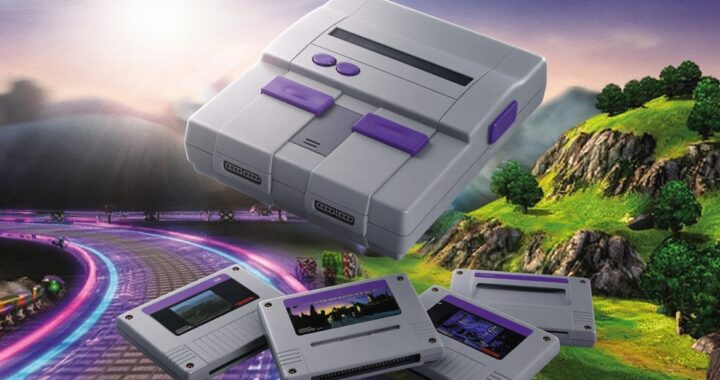
    Nintendo, however, was preparing its ultimate response. On August 23, 1991, Nintendo officially launched the Super Nintendo Entertainment System (SNES) in North America.

    Where Sega emphasized raw CPU clock frequency, Nintendo constructed a hardware architecture built for unmatched visual depth and rich audio synthesis. Boasting a 32,768-color palette (with up to 256 colors on screen simultaneously), hardware-level sprite scaling and rotation (known as Mode 7), and an 8-channel Sony audio chip, the SNES brought unprecedented cinematic polish into living rooms.

    To demonstrate this technological leap, Nintendo released the SNES alongside five legendary launch titles.

    From defining 2D platforming perfection to pioneering 3D perspective racing, these games proved that the 16-bit era had truly arrived. Here is your ultimate guide to the games that launched the Super Nintendo.

    1. The Crown Jewel: Super Mario World

    Leading the SNES launch as the official pack-in title bundled with the console was Super Mario World, designed by Shigeru Miyamoto and Takashi Tezuka.

    +--------------------------------------------------------------------------+
    | SUPER MARIO WORLD (1991)                                                 |
    | Genre: 2D Side-Scrolling Platformer                                      |
    | Key Innovations: World Map secret exits, introduction of Yoshi,          |
    | multi-layered background parallax, dynamic camera scaling and spin-jumps.|
    +--------------------------------------------------------------------------+
    

    Why It Redefined Platforming Again

    Following the groundbreaking success of Super Mario Bros. 3 on the NES, Super Mario World took full advantage of the SNES’s expanded memory and color depth.

    The game introduced Yoshi, Mario’s dinosaur companion, who brought unique mechanics like swallowing enemies, spitting fireballs, and granting specialized flight abilities depending on the color of shell he consumed.

    With 96 exits scattered across Dinosaur Land, vibrant background art, and Koji Kondo’s dynamic, multi-instrumental soundtrack, Super Mario World set a gold standard for level design that remains influential to this day.

    2. Speed and Mode 7 Mastery: F-Zero

    If Super Mario World showcased color depth and gameplay mechanics, F-Zero was designed to flex the raw graphic processing muscle of the SNES hardware.

    The Mode 7 Revolution

    Before 3D graphics cards existed in home consoles, F-Zero introduced players to Mode 7—a hardware feature that allowed a flat 2D background layer to be scaled, rotated, and tilted in real-time.

    By flattening a high-resolution racetrack map onto the screen and rotating it beneath the player’s hovering vehicle, F-Zero simulated a pseudo-3D perspective at blistering speeds.

    • Futuristic High-Speed Racing: Set in the year 2560, players piloted hover-cars like the Blue Falcon across lethal plasma-track courses at speeds exceeding 400 km/h.
    • Chiptune Masterclass: The game’s energetic electronic soundtrack (featuring legendary tracks like Mute City and Big Blue) highlighted the rich basslines and synthesizer capabilities of the SNES audio chip.

    3. Atmospheric Action: Super Castlevania IV

    Konami’s Castlevania series was already a household name on the 8-bit NES, but Super Castlevania IV leveraged the 16-bit hardware to transform the franchise into an atmospheric gothic masterpiece.

    +-------------------------------------------------------------------------+
    | SUPER CASTLEVANIA IV (1991)                                             |
    | Feature 1: 8-Directional Whip Control & Swinging Physics                |
    | Feature 2: Rotating Mode 7 room environments and background scaling     |
    | Feature 3: Orchestral ADPCM audio with dynamic ambient echo effects     |
    +-------------------------------------------------------------------------+
    

    Reimagining Simon Belmont’s Quest

    Super Castlevania IV was more than a sequel; it was a complete technological reimagining of Simon Belmont’s crusade against Dracula.

    • Whip Physics: Players could now swing their whip in eight distinct directions, block incoming enemy projectiles, and hook onto ceiling rings to swing across chasms.
    • Visual Spectacle: Level 4-2 famously featured an entire room that rotated 360 degrees in the background using Mode 7 processing while Simon swung from a central ring, mesmerizing gamers in 1991.

    4. High-Altitude Flight: Pilotwings

    Co-developed by Nintendo EAD, Pilotwings served as a technical showcase for the SNES’s rotation, scaling, and vector math capabilities.

    Acting as a flight simulation training academy, players completed challenges in hang gliding, skydiving, rocket belting, and biplane flight.

    • Depth Perception via Scaling: As players plummeted toward target landing pads during skydiving missions, the island terrain scaled smoothly toward the camera, demonstrating the console’s ability to calculate dynamic scale and perspective without frame drops.

    5. Tactical Sci-Fi Strategy: Gradius III

    Rounding out the North American launch lineup was Konami’s iconic space shooter, Gradius III.

    A direct port of the demanding arcade game, Gradius III allowed players to customize their ship’s weapon loadout (the Vic Viper) with specialized laser beams, shields, and option pods.

    • Arcade Visuals at Home: The game displayed massive boss alien battles and multi-layered starfield parallax scrolling.
    • Historical Context: While early levels suffered from hardware slowdown when dozens of enemy projectiles flooded the screen, Gradius III proved that complex arcade shoot-’em-ups could be played in living rooms without sacrificing graphic detail.

    6. Summary Matrix: The 1991 North American SNES Launch Lineup

    Game TitleGenreDeveloper / PublisherKey Technical Feature / Legacy
    Super Mario World2D PlatformerNintendo EAD / NintendoOfficial pack-in game; introduced Yoshi and 96 exits
    F-ZeroFuturistic RacerNintendo EAD / NintendoShowcased Mode 7 pseudo-3D racetrack rotation
    Super Castlevania IVAction PlatformerKonami8-way whip mechanics and rotating Mode 7 rooms
    PilotwingsFlight SimulatorNintendo EAD / NintendoFlight physics and smooth terrain sprite scaling
    Gradius IIIShoot ‘Em UpKonamiMassive arcade boss sprites and custom weapon loadouts

    Conclusion: The Legacy of August 1991

    While five games may seem like a modest launch selection, Nintendo prioritized uncompromising quality over quantity.

    Each title in the August 1991 launch lineup had a specific purpose: Super Mario World guaranteed unmatched gameplay depth, F-Zero and Pilotwings showcased revolutionary Mode 7 graphics processing, Super Castlevania IV demonstrated atmospheric 16-bit audio, and Gradius III delivered hardcore arcade thrills.

    This small but potent library successfully ignited the SNES era, laying the groundwork for a platform that would go on to host some of the greatest video games ever made.

    Frequently Asked Questions (FAQ)

    Q1: Was Legend of Zelda: A Link to the Past an SNES launch title in North America?

    No. While A Link to the Past launched in Japan in November 1991, the North American version was not released until April 1992.

    Q2: Did all 5 launch titles come bundled with the console?

    No. Only Super Mario World was included as a pack-in game with the standard SNES console set in August 1991. The remaining four titles had to be purchased separately at retail.

    Join the Discussion

    Which of the five original North American SNES launch titles did you play first? Do you still remember seeing F-Zero’s Mode 7 graphics for the first time? Share your nostalgic memories in the comments below!

  • Genesis Does: The Historic Launch Titles That Kickstarted Sega’s 16-Bit Empire

    Introduction: Welcome to the Next Level of Home Gaming

    On August 14, 1989, the North American home video game landscape experienced a seismic shift. For four consecutive years, Nintendo had held a virtual monopoly over the American living room with its 8-bit Nintendo Entertainment System (NES).

    Sega of America, seeking to disrupt Nintendo’s dominance, introduced the Sega Genesis—known outside North America as the Mega Drive.

    Powered by a formidable 16-bit Motorola 68000 CPU running at 7.67 MHz, the Sega Genesis promised something the NES simply could not deliver: true, uncompromised arcade power at home.

    To prove its technical superiority, Sega bypassed the family-friendly, cartoonish aesthetic of Nintendo and embraced an aggressive, arcade-driven marketing campaign backed by the iconic slogan: “Genesis Does What Nintendon’t.”

    When the console debuted in test markets across Los Angeles and New York City in August 1989, it launched alongside six distinct titles. These games showcased high-speed sprite processing, digitized voice clips, dynamic parallax scrolling, and real-world sports simulation.

    Here is your complete guide to the historic launch games that started the legendary 16-bit console wars.

    1. The Pack-In Powerhouse: Altered Beast

    Leading the charge as the official pack-in game bundled with the Sega Genesis console was Altered Beast, an arcade port originally designed by Makoto Uchida.

    +--------------------------------------------------------------------------+
    | ALTERED BEAST (1989)                                                     |
    | Genre: Side-Scrolling Beat 'Em Up / Action                               |
    | Key Highlight: Iconic digitized voice synthesis ("Rise from your grave!"),|
    | massive character sprites, dynamic werewolf transformation sequences.     |
    +--------------------------------------------------------------------------+
    

    Why It Proved 16-Bit Superiority

    In 1989, seeing enormous, detailed character sprites that occupied nearly half the TV screen was mind-blowing for gamers accustomed to tiny 8-bit NES figures.

    Players assumed the role of a resurrected Roman centurion tasked by Zeus to rescue his daughter Athena from Hades. By collecting spirit orbs dropped by white wolves, the player’s character physically expanded in muscle mass before transforming into powerful mythical beasts—including a Werewolf, Waredragon, and Bear.

    Beyond the visuals, the game’s booming digitized voice clips—such as Zeus shouting “Rise from your grave!” and the villain Neff roaring “Never heed my power!”—instantly demonstrated the sound processing capabilities of the Yamaha YM2612 sound chip.

    2. Arcade Precision: Space Harrier II and Super Thunder Blade

    Sega was the undisputed king of arcade cabinets in the late 1980s, famous for its “Super Scaler” technology. To reward arcade fans, Sega brought home versions of its flagship flight shooters to the Genesis launch lineup.

    Space Harrier II

    Designed by legendary game creator Yu Suzuki, Space Harrier II served as a direct sequel to the arcade smash hit.

    • Technical Triumph: Flying at breakneck speeds through surreal fantasy landscapes filled with checkerboard floors, floating stone heads, and two-headed dragons, Space Harrier II displayed rapid pseudo-3D sprite scaling without requiring extra hardware chips inside the cartridge.

    Super Thunder Blade

    Putting players in the cockpit of a futuristic combat helicopter, Super Thunder Blade seamlessly alternated between a third-person rear-view perspective and a top-down tactical scrolling shooter view. It demonstrated the Genesis’s ability to process dense particle patterns and complex background scaling.

    3. High-Speed Action & Strategy: Thunder Force II and Alex Kidd

    To ensure the launch library appealed to both twitch-action enthusiasts and traditional console gamers, Sega partnered with third-party publishers and internal studios to diversify genres.

    Thunder Force II (Techno Soft)

    Before Thunder Force IV became a legendary shooter milestone, Thunder Force II introduced Western gamers to high-velocity horizontal and top-down scrolling shooter mechanics.

    • Dual-Perspective Gameplay: The game alternated between open-world top-down navigation stages and blistering side-scrolling bullet-hell levels, setting the high bar for sci-fi chiptune soundtracks on the platform.

    Alex Kidd in the Enchanted Castle

    Before Sonic the Hedgehog debuted in 1991, Alex Kidd served as Sega’s official mascot. Alex Kidd in the Enchanted Castle offered classic side-scrolling platforming filled with quirky mechanics—such as engaging in games of Rock, Paper, Scissors (Janken) against bosses to earn vehicle power-ups like the Pogo Stick and Pedicopter.

    4. Realism in Gaming: Tommy Lasorda Baseball

    Sega recognized early on that North American teenage and adult gamers loved sports. To capitalize on this demographic, Sega released Tommy Lasorda Baseball (known as Super League in Japan).

    +-------------------------------------------------------------------------+
    | TOMMY LASORDA BASEBALL (1989)                                           |
    | Feature 1: Official endorsement from legendary Dodgers manager Tommy Lasorda|
    | Feature 2: Dual camera views (Behind-the-batter & full-field tracking)  |
    | Feature 3: Password-backed season stats and customizable rosters        |
    +-------------------------------------------------------------------------+
    

    By securing the likeness and endorsement of legendary Los Angeles Dodgers manager Tommy Lasorda, Sega positioned the Genesis as a mature, realistic sports simulator. The game featured fluid pitching animations, realistic outfield tracking camera angles, and detailed stat tracking that eclipsed any 8-bit sports game on the market.

    5. Summary Matrix: The 1989 North American Genesis Launch Library

    Game TitleGenreDeveloper / PublisherKey Appeal / Legacy
    Altered BeastBeat ‘Em Up / ActionSegaOfficial pack-in game; massive transformation sprites
    Space Harrier IIPseudo-3D ShooterSega (Sega AM2)Fast pseudo-3D sprite scaling and surreal synth music
    Super Thunder BladeHelicopter CombatSegaDual perspective combat helicopter flight gameplay
    Thunder Force IIShoot ‘Em UpTechno Soft / SegaHigh-speed horizontal and top-down scrolling shooter
    Alex Kidd in the Enchanted CastlePlatformerSegaClassic platforming featuring vehicle power-ups
    Tommy Lasorda BaseballSportsSegaRealistic camera perspectives and celebrity endorsement

    The Aftermath: How the Launch Set the Stage for the 16-Bit War

    While a 6-game launch library might seem small by modern standards, each title was strategically selected to showcase a specific strength of the Motorola 68000 hardware:

    1. Raw CPU Speed: Handled fluidly by Space Harrier II and Thunder Force II.
    2. Audio & Voice Synthesis: Highlighted by Altered Beast.
    3. Adult / Arcade Appeal: Spearheaded by Tommy Lasorda Baseball and Sega’s arcade ports.

    This arcade-centric launch strategy successfully established the Genesis as the “cool, edgy, and mature” alternative to the NES. Two years later, when Sonic the Hedgehog launched in 1991, the groundwork laid by these 1989 launch titles allowed Sega to briefly capture over 60% of the North American home console market.

    Conclusion

    The August 1989 launch of the Sega Genesis was a watershed moment in video game history. It proved that home consoles could move beyond simple 8-bit tile maps and bring authentic, high-speed arcade experiences directly into consumer homes.

    For retro collectors and gaming historians today, returning to these six original launch cartridges offers a thrilling look at the precise starting point of the 16-bit console wars.

    Frequently Asked Questions (FAQ)

    Q1: Was Sonic the Hedgehog available at the launch of the Sega Genesis?

    No. Sonic the Hedgehog was not released until June 1991. Between 1989 and mid-1991, Altered Beast served as the primary pack-in game included with the Genesis console.

    Q2: Did the Sega Genesis launch simultaneously nationwide in North America?

    No. Sega adopted a regional rollout strategy, launching first in New York City and Los Angeles on August 14, 1989, before expanding to nationwide retail stores across North America later that fall.

    Join the Discussion

    Which of the six original Sega Genesis launch games did you play first? Do you still remember hearing “Rise from your grave!” for the first time? Drop your favorite 16-bit Sega memories in the comments below!

  • The 16-Bit Pioneer: Introducing the PC Engine / TurboGrafx-16 Launch Games

    Introduction: The First Shot in the 16-Bit Console Wars

    When retro gaming historians reflect on the transition from the 8-bit to the 16-bit era, many recall the fierce North American rivalry between the Sega Genesis and the Super Nintendo. However, the 16-bit revolution actually began two years prior in Japan with a groundbreaking collaboration between hardware giant NEC and software pioneer Hudson Soft.

    Released in Japan on October 30, 1987, as the PC Engine—and later brought to North America in August 1989 as the TurboGrafx-16—this compact machine stunned the gaming world.

    Despite utilizing an enhanced 8-bit central processor (the HuC6280 running at up to 7.16 MHz), the console housed a powerful 16-bit graphic synthesizer capable of displaying 512 colors, massive sprites, and arcade-quality visual detail that completely outperformed the 8-bit Famicom/NES.

    Furthermore, NEC abandoned bulky plastic cartridges in favor of HuCards (TurboChips in North America)—sleek, credit-card-sized ROM cards that slipped elegantly into the front slot of the console.

    To establish its presence against established giants, the system debuted with a distinct launch library that showcased raw arcade performance, rich audio synthesis, and bold new genres. Here is your complete guide to the iconic launch games of the PC Engine / TurboGrafx-16.

    1. The Flagship Launch Title: Victory Run (1987/1989)

    Leading the charge for the console’s Japanese launch was Victory Run, a high-octane racing game designed to demonstrate the system’s sprite-scaling and rapid background rendering capabilities.

    +--------------------------------------------------------------------------+
    | VICTORY RUN (1987 PC Engine / 1989 TurboGrafx-16)                        |
    | Genre: Endurance Racing / Simulation                                     |
    | Key Highlight: 13,000 km Paris-Dakar Rally simulation, vehicle wear mechanics, |
    | smooth road perspective scaling without dedicated hardware math chips.    |
    +--------------------------------------------------------------------------+
    

    Why It Showcased the Hardware

    In the late 1980s, arcade racers like Sega’s OutRun required massive, expensive arcade boards to render fluid road scaling. Victory Run brought that pseudo-3D perspective directly into home living rooms.

    Players had to manage engine heat, tire wear, suspension damage, and fuel consumption across a grueling multi-stage rally across Europe and Africa. The sheer speed and lack of visual flicker proved immediately that the PC Engine was operating on a higher technical plane than the NES.

    2. Arcade Port Supremacy: R-Type (1987)

    Perhaps no game better justified buying a PC Engine at launch in Japan than Irem’s legendary side-scrolling shoot-’em-up, R-Type.

    The Technical Triumph

    In 1987, R-Type was famous in arcades for its intricate alien sprite designs, organic biomechanical backgrounds, and intense bullet patterns. Porting such a complex game to home consoles was considered nearly impossible without severe compromises.

    Hudson Soft achieved what many thought unthinkable: an almost 100% arcade-perfect port.

    • Visual Fidelity: The PC Engine version retained the arcade’s vibrant color depth, massive boss sprites (such as the screen-filling Dobkeratops), and complex background layers.
    • HuCard Storage Limits: Due to memory limitations on early HuCards, the Japanese version was split across two separate cards (R-Type Part I and R-Type Part II), which were later combined into a single TurboChip cartridge for the North American TurboGrafx-16 release.

    3. The Mascot Era: Bonk’s Adventure (PC Genjin)

    While Victory Run and arcade ports appealed to older gamers, every platform needed an iconic mascot to compete with Nintendo’s Mario and Sega’s Sonic. Enter Bonk’s Adventure (known in Japan as PC Genjin).

    +-------------------------------------------------------------------------+
    | BONK'S ADVENTURE (1989/1990)                                            |
    | Character: Bonk, a head-butting prehistoric caveman                     |
    | Mechanics: Head-butting enemies, scaling walls with teeth, eating meat  |
    | to trigger furious invincibility transformations.                      |
    +-------------------------------------------------------------------------+
    

    Expressive Sprite Animation

    Bonk’s Adventure capitalized on the console’s ability to render large, expressive, comic-style character sprites with zero frame-rate lag. Bonk’s comical facial expressions, head-slamming physics, and vibrant prehistoric landscapes gave the platform a unique identity and family-friendly appeal.

    4. Key Launch Titles: PC Engine (Japan 1987) vs. TurboGrafx-16 (US 1989)

    Because the console debuted two years later in North America, its launch libraries differed significantly between regions.

    Game TitleGenreKey Technical Feature / Appeal
    Victory RunRacingParis-Dakar rally simulator with car customization
    The Kung Fu (China Warrior)Beat ‘Em UpDisplayed massive, screen-filling character sprites
    R-TypeShoot ‘Em UpLegendary arcade-accurate 16-bit shooter port
    Alien CrushSci-Fi PinballDark, gothic pinball with complex ball physics
    Dungeon ExplorerAction RPG5-player simultaneous co-op dungeon crawling
    Keith Courage in Alpha ZonesAction PlatformerUS Pack-in game featuring mech-transformation suits
    Blazing Lazers (Gunhed)Shoot ‘Em UpCo-developed by Compile; relentless vertical shooter
    World Class BaseballSportsDetailed sprite animations and split-screen field angles

    5. The Hardware Innovation: HuCards and the CD-ROM² Revolution

    A huge part of the PC Engine’s initial appeal lay in its physical media innovation and forward-thinking expansion capabilities.

    The HuCard (TurboChip) Format

    Measuring just 85mm x 54mm with a thickness of 2.3mm, HuCards were a technological marvel in 1987. Using integrated circuit housing, these ultra-flat cards lacked moving parts, loaded games instantly with zero load times, and were small enough to fit inside a shirt pocket.

    The CD-ROM² Add-On (1988)

    Just one year after launch, NEC released the CD-ROM² attachment in Japan (later released in North America as the TurboGrafx-CD). It made the PC Engine the first video game console in history to use optical CD-ROM storage.

    This allowed launch-window CD games like Ys I & II to feature full CD-DA audio soundtracks, voice acting, and animated anime cutscenes years before the Sega CD or Sony PlayStation arrived on the market.

    Conclusion: The Legacy of NEC’s 16-Bit Challenger

    The PC Engine / TurboGrafx-16 proved that home console hardware could rival high-end arcade cabinets. Through sleek HuCard technology, blistering CPU clock speeds, vibrant color palettes, and eventual CD-ROM integration, the system carved out an enduring legacy in retro gaming history.

    While it faced stiff competition in North America from Sega and Nintendo, the PC Engine was an absolute phenomenon in Japan, even out-selling the Famicom for extended periods. For retro collectors today, exploring its launch library offers a captivating window into the pioneering days of 16-bit gaming.

    Frequently Asked Questions (FAQ)

    Q1: Can Japanese PC Engine HuCards play on a US TurboGrafx-16?

    No. While the internal architecture is identical, NEC reversed the pinout wiring on North American TurboChips to region-lock software. However, passive pin-adapters or hardware mods allow cross-region play on original hardware.

    Q2: Was the TurboGrafx-16 a true 16-bit console?

    It features a hybrid architecture: an 8-bit CPU paired with a dual 16-bit graphics processor (VDP). Because its graphics subsystem handles 16-bit color and sprite routines, it was marketed alongside 16-bit competitors like the Sega Genesis.

    Join the Discussion

    Have you ever played games on an original PC Engine or TurboGrafx-16? Do you prefer the arcade intensity of R-Type or the platforming fun of Bonk? Drop your favorite memories in the comments section below!

  • From Duck Hunt to Super Mario: The Historic Launch Library of the North American NES

    Introduction: Rebuilding an Industry from the Ashes

    In October 1985, the North American video game landscape was in ruins. Following the catastrophic video game crash of 1983—fueled by an oversaturation of low-quality software and consumer distrust—retailers across the United States were refusing to stock video game consoles. To the American public, home consoles were a dying fad.

    Nintendo of America, led by Minoru Arakawa, faced a monumental challenge. To convince skeptical North American retailers to give gaming a second chance, Nintendo completely repackaged its Japanese Family Computer (Famicom) into a sleek, VCR-styled home system: the Nintendo Entertainment System (NES).

    To launch the console in its test market of New York City in October 1985, Nintendo released a carefully curated lineup of 18 launch titles. Known among retro collectors today as the iconic “Black Box Games” due to their uniform black packaging and pixel-art box covers, these games laid the foundation for modern interactive entertainment.

    Here is a deep dive into the historic games that launched alongside the NES and single-handedly saved the video game industry.

    1. The Flagship Masterpiece: Super Mario Bros.

    No discussion of the NES launch lineup is complete without mentioning the title that redefined game design forever: Super Mario Bros.

    +--------------------------------------------------------------------------+
    | SUPER MARIO BROS. (1985)                                                 |
    | Developer / Publisher: Nintendo EAD                                      |
    | Key Innovation: Smooth horizontal scrolling, precise momentum physics,   |
    | secret warp zones, dynamic power-up progression (Mushroom/Fire Flower).  |
    +--------------------------------------------------------------------------+
    

    Why It Changed Everything

    Before Super Mario Bros., most home arcade games took place on single, static screens. Shigeru Miyamoto and Takashi Tezuka designed a sprawling, multi-world adventure that gave players a true sense of journey and momentum.

    With its iconic theme song composed by Koji Kondo, tight jumping mechanics, secret hidden blocks, and flawless level progression, Super Mario Bros. did not just sell NES consoles—it established the blueprint for the 2D platforming genre for decades to come.

    2. The Peripheral Revolution: Duck Hunt and Gyromite

    To bypass retailer skepticism in 1985, Nintendo marketed the NES not as a “video game console,” but as an interactive “toy system.” This strategy relied heavily on unique hardware accessories bundled with launch titles.

    Duck Hunt (The NES Zapper Light Gun)

    Bundled with the NES Action Set, Duck Hunt utilized the revolutionary NES Zapper light gun. Players aimed at their CRT television screens to shoot flying ducks and clay pigeons while an infamous hunting dog giggled at missed targets.

    • Technical Wizardry: When the trigger was pulled, the NES flashed a black screen for a fraction of a second with a white box over the duck target. The Zapper’s internal light sensor detected whether it was aimed at the light box, registering a hit instantaneously.

    Gyromite (R.O.B. the Robotic Operating Buddy)

    To convince toy store buyers, Nintendo created R.O.B. (Robotic Operating Buddy), a physical toy robot that responded to optical flashes on the TV screen. Gyromite required R.O.B. to physically lift and drop spinning gyroscopes onto buttons to open color-coded gates for the player on-screen. While slow, R.O.B. succeeded in getting the NES onto toy store shelves nationwide.

    3. High-Velocity Arcade Classics: Excitebike and Kung Fu

    Nintendo understood that North American gamers loved the fast-paced action of local arcades. Two key launch titles brought intense arcade thrills directly into the living room.

    Excitebike

    Designed by Shigeru Miyamoto, Excitebike delivered high-octane dirt bike racing complete with heat-management mechanics, ramp jumps, and land-deformation physics.

    • Design Innovation: It was one of the earliest home console games to feature a Design Mode, allowing players to build and race on their own custom motocross tracks.

    Kung Fu (Kung-Fu Master)

    A licensed port of Irem’s hit arcade beat-’em-up, Kung Fu placed players in the shoes of Thomas as he fought his way up five martial-arts-infused floors of the Devil’s Temple to rescue his kidnapped girlfriend, Sylvia. Its responsive punch-and-kick mechanics set the stage for future side-scrolling beat-’em-ups like Double Dragon and Final Fight.

    4. The Complete 1985 North American NES Launch Lineup

    The full launch suite comprised 18 distinct titles spanning sports, arcade action, strategy, and light-gun shooters. This diversity proved to American families that the NES had something for everyone.

    Game TitleGenrePrimary Feature / Legacy
    Super Mario Bros.PlatformerDefinitive 2D platforming masterpiece
    Duck HuntLight Gun ShooterUtilized the iconic NES Zapper
    ExcitebikeRacingFeatured custom track editor physics
    Kung FuBeat ‘Em Up / ActionArcade-accurate martial arts action
    GyromitePuzzle / PeripheralControlled via R.O.B. the Robot
    Stack-UpPuzzle / PeripheralSecondary R.O.B. block-stacking game
    Ice ClimberVertical PlatformerCo-op vertical climbing gameplay
    Mach RiderSci-Fi RacingPost-apocalyptic motorcycle combat
    Wild GunmanLight Gun ShooterFast-draw Western duel mechanics
    Hogan’s AlleyLight Gun ShooterTactical target shooting simulation
    10-Yard FightSportsEarly American football simulation
    BaseballSportsClassic 9-inning arcade baseball
    GolfSportsIntroduced the two-click swing meter
    TennisSportsSingles and doubles court action
    SoccerSportsFast-paced 5-on-5 arcade soccer
    PinballArcade / SportsMulti-table pinball simulation
    Wrecking CrewAction / PuzzleDestruction puzzle game starring Mario
    Clu Clu LandArcade / PuzzleUnique pole-swinging maze game

    5. The “Black Box” Design & The Seal of Quality

    For modern retro game collectors, the original 18 launch titles hold immense aesthetic and monetary value due to two crucial features introduced during this launch era:

    Pixel-Art Packaging

    Unlike the exaggerated, deceptive cover art found on Atari 2600 boxes, Nintendo adopted a minimalist black grid packaging design. The box art featured actual pixelated sprite art taken directly from the game. What you saw on the box was exactly what appeared on your television screen—restoring transparency and trust to consumers.

    The Nintendo Seal of Quality

    To ensure the market would never again be flooded with broken, unplayable games, Nintendo instituted a strict licensing framework stamped with the gold “Official Nintendo Seal of Quality.” This seal guaranteed that the cartridge was fully tested, licensed, and manufactured to Nintendo’s rigorous hardware standards.

    Conclusion: The Legacy of October 1985

    The October 1985 launch of the Nintendo Entertainment System was far more than a simple product release; it was a miraculous rescue mission for an entire entertainment medium.

    Armed with a diverse 18-game lineup, innovative peripherals like the Zapper and R.O.B., honest packaging, and the unprecedented genius of Super Mario Bros., Nintendo proved that home gaming was not a temporary fad, but an enduring cultural movement.

    For collectors, historians, and gamers today, revisiting these 18 “Black Box” classics offers a fascinating glimpse into the precise moment modern video gaming was born.

    Frequently Asked Questions (FAQ)

    Q1: What is the rarest or most expensive NES launch title today?

    In complete-in-box (CIB) condition, early “Hangtab” variants of Super Mario Bros., Gyromite, and Stack-Up are among the most valuable NES games in history, regularly fetching thousands of dollars at auction.

    Q2: Were all 18 launch games available nationwide in 1985?

    No. The initial October 1985 release was a limited test market launch restricted to the Greater New York City area. Following its massive success, Nintendo expanded distribution to Los Angeles and other major cities in early 1986, followed by a full nationwide North American release in September 1986.

    Join the Discussion

    Which of the original 18 NES launch games did you play first? Do you still own any original “Black Box” cartridges in your collection? Share your memories and thoughts in the comments section below!

  • Sega Genesis vs. SNES: CPU Clock Speeds, Blitter Math, and the Genre Divide

    Introduction: The Architectural Divide of the 16-Bit Era

    The console war between the Sega Genesis (known as the Mega Drive outside North America) and the Super Nintendo Entertainment System (SNES) defines the golden age of 16-bit video gaming.
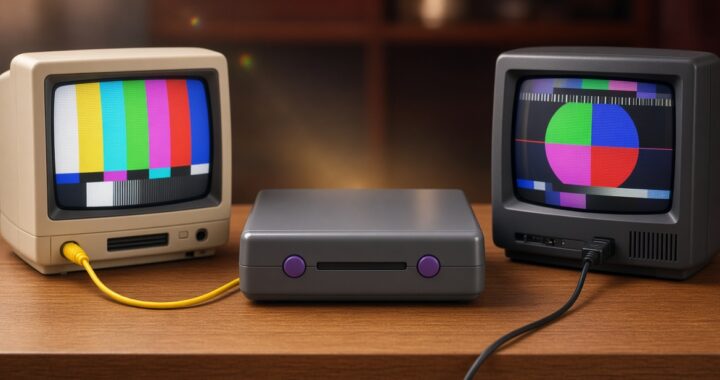
    In the early-to-mid 1990s, gamers passionately debated which system reigned supreme. Sega touted its aggressive marketing campaign fueled by “Blast Processing,” while Nintendo countered with colorful graphics, rich sound sampling, and vast, story-driven worlds.

    However, beneath the flashy marketing lay a fundamental technical reality: hardware architecture directly shaped software genres.

    Due to contrasting CPU speeds, RAM bandwidth, and graphical processing chips, developer hardware limitations naturally steered each console toward distinct game genres. Sega’s fast processor made the Genesis the ultimate platform for high-velocity shoot-’em-ups (shmups) and twitch action games, whereas the SNES’s color depth and audio capabilities laid the perfect foundation for cinematic Japanese Role-Playing Games (JRPGs).

    Here is a technical and historical breakdown of why speed defined the Genesis, while depth defined the Super Nintendo.

    1. The Need for Speed: Why the Sega Genesis Mastered Fast Shooters

    To understand why fast-paced vertical and horizontal shooters thrived on the Sega Genesis, one must look closely at its central processing unit (CPU).

    +------------------------------------------------------------------------+
    | SEGA GENESIS CPU: Motorola 68000 @ ~7.67 MHz                           |
    | Strengths: High raw clock speed, rapid sprite math, fast instruction   |
    | Best For: Dozens of moving projectiles, zero sprite flicker, fast scrolling |
    +------------------------------------------------------------------------+
    
    +------------------------------------------------------------------------+
    | SNES CPU: Ricoh 5A22 @ ~3.58 MHz                                       |
    | Strengths: Hardware Mode 7 scaling/rotation, rich color palette        |
    | Limitations: Slower processing frequency, prone to slowdown in shmups  |
    +------------------------------------------------------------------------+
    

    The Power of the Motorola 68000

    Launched in North America in 1989, the Sega Genesis was built around the formidable Motorola 68000 CPU, running at an impressive clock frequency of 7.67 MHz.

    This high clock frequency provided exceptional processing bandwidth for sprite calculations, collision physics, and rapid background scrolling routines:

    • High-Density Bullet Hell: Games could throw dozens of enemy sprites, bullets, and explosions on screen simultaneously without dropping frame rates.
    • Twitch Action & Blast Processing: The CPU handled rapid screen updates easily, allowing games like Sonic the Hedgehog and Rocket Knight Adventures to maintain blinding momentum.

    The Golden Age of Genesis Shooters

    Arcade developers like Treasure, Konami, and Techno Soft recognized the raw horsepower of the Genesis. The console became the premier home destination for intense, high-velocity shoot-’em-ups:

    • Thunder Force IV (Lightening Force): Celebrated for its sprawling multi-directional parallax scrolling, massive screen-filling bosses, and blistering particle effects with virtually zero slowdown.
    • Musha: Delivered relentless bullet-hell patterns and lightning-fast vertical scrolling that arcade purists adored.
    • Alien Soldier & Gunstar Heroes: Pushed sprite limits to the extreme, displaying massive, multi-jointed bosses moving at breakneck speed.

    2. The Bottleneck: Why the Stock SNES Struggled with Velocity

    When Nintendo launched the SNES in North America in 1991, it outpaced the Genesis in color capability (displaying 256 colors simultaneously out of a 32,768 palette) and digital audio sampling. However, its primary processor—the Ricoh 5A22 CPU—ran at a maximum clock speed of just 3.58 MHz (and dropped down to 2.68 MHz or 1.79 MHz when accessing slower ROM buses).

    The “Slowdown” Phenomenon in Early SNES Shooters

    Because the SNES CPU ran at less than half the clock frequency of the Genesis, early port efforts of arcade shooters ran into severe performance walls. When dozens of sprites flooded the screen, the system encountered heavy frame rate drops, commonly referred to by gamers as “slowdown.”

    • Gradius III (1991): While visually stunning with vibrant colors, the game suffered from notorious frame drops during frantic battle sequences where the CPU simply could not process sprite collisions quickly enough.
    • Super R-Type (1991): Feature-rich in visual detail, yet heavily hampered by persistent lag during complex boss encounters.

    While developers later mastered hardware tricks—and eventually embedded external coprocessors like the SA-1 chip into cartridges to boost CPU speeds to 10.74 MHz—the stock SNES architecture was inherently less suited for pure, unadulterated velocity out of the box.

    3. The RPG Fortress: How SNES Features Inspired Epic Storytelling

    While the SNES faced challenges with high-speed twitch shooters, its hardware architecture was custom-tailored for a completely different genre: sprawling, cinematic Role-Playing Games.

    Rather than relying on raw CPU clock cycles, RPGs require rich visual environments, expressive character sprites, and emotionally resonant orchestral music to immerse players in grand narratives.

    +-------------------------------------------------------------------------+
    | WHY THE SNES WAS THE UNDISPUTED KING OF JRPGs                           |
    |                                                                         |
    |  1. 256-Color Palette     -> Richer world environments & character art|
    |  2. Sony SPC700 Audio     -> Orchestral, sampled instrument tracks     |
    |  3. Mode 7 Graphics       -> Dynamic 3D world maps and flight scenes   |
    |  4. Battery-Backed SRAM   -> Massive 40+ hour quest saves               |
    +-------------------------------------------------------------------------+
    

    1. Rich Color Depth and Mode 7 Perspective

    The SNES’s vast color palette allowed artists to paint detailed dungeons, lush forests, and evocative townscapes with intricate shading. Furthermore, the console’s hardware-level Mode 7 feature allowed developers to create pseudo-3D rotating world maps (such as flying airships over vast continents), adding a sense of scale that 16-bit gamers had never experienced before.

    2. The Sony SPC700 Sound Chip

    Designed by Ken Kutaragi (who would later design the PlayStation), the SNES’s 8-channel SPC700 audio chip utilized ADPCM sound samples. Instead of the sharp, metallic FM synthesis of the Genesis YM2612, the SNES produced warm, realistic strings, flutes, and percussion, giving games unforgettable orchestral scores.

    The Legendary SNES RPG Library

    Square, Enix, and Nintendo turned the SNES into an iconic haven for fantasy and science-fiction narratives:

    • Chrono Trigger: Utilized the console’s color palette, fluid character animations, and sample-based soundtrack to deliver one of the greatest time-travel epics in gaming history.
    • Final Fantasy VI (Final Fantasy III in North America): Leveraged Mode 7 airship sequences, deep color shading, and legendary orchestral compositions to tell a mature, opera-level narrative.
    • EarthBound & Super Mario RPG: Used specialized hardware mapping to construct vibrant, memorable worlds packed with personality.

    4. Genre Comparison Matrix: Genesis vs. SNES

    To see how these hardware trade-offs translated into everyday library strengths, consider this side-by-side comparison:

    Feature / MetricSega Genesis / Mega DriveSuper Nintendo (SNES)
    Main CPU Speed~7.67 MHz (Motorola 68000)~3.58 MHz (Ricoh 5A22)
    Simultaneous Colors64 Colors (from 512 palette)256 Colors (from 32,768 palette)
    Primary Genre StrengthHigh-Speed Shooters, Action, SportsJRPGs, Platformers, Action-Adventures
    Audio AestheticGritty, Aggressive FM SynthWarm, Sampled Orchestral Instruments
    Iconic Shmup TitlesThunder Force IV, Musha, TruxtonSpace Megaforce, Axelay
    Iconic RPG TitlesPhantasy Star IV, Shining Force IIChrono Trigger, Final Fantasy VI

    Conclusion: Two Consoles, Two Distinct Gaming Legacies

    The stark contrast between the Sega Genesis and Super Nintendo libraries was not an accident; it was the direct outcome of hardware engineering choices made in the late 1980s.

    Sega prioritized raw CPU clock speed and rapid sprite throughput, creating an arcade-at-home machine that excelled at adrenaline-pumping shooters, high-velocity platformers, and fast action. Nintendo prioritized color depth, advanced graphical effects, and rich audio sampling, creating a canvas perfectly suited for atmospheric storytelling, immersive world-building, and epic RPG sagas.

    For retro gamers and collectors today, this technical divide is a blessing. It means owning both consoles offers two completely different, non-overlapping windows into the brilliant creativity of the 16-bit era.

    Frequently Asked Questions (FAQ)

    Q1: Did the Sega Genesis have any great RPGs?

    Absolutely! While less numerous than on the SNES, the Genesis features timeless RPG classics such as Phantasy Star IV, Shining Force II, and Warsong.

    Q2: Are there any smooth, fast shooters on the SNES?

    Yes. Later in the SNES lifespan, developers mastered the hardware. Games like Space Megaforce (Super Aleste) and Axelay proved that with clever programming, the SNES could run impressive shooters with minimal lag.

    Join the Discussion

    Which side of the 16-bit aisle did you land on back in the day? Did you prefer the high-speed shooter action of the Genesis, or did you spend hundreds of hours exploring SNES RPG worlds? Share your favorite memories in the comments below!

  • SNES on a CRT TV: Composite vs. S-Video Signal Comparison & Nostalgia Guide

    Introduction: The Magic of 16-Bit Gaming on a CRT TV

    If you were playing the Super Nintendo Entertainment System (SNES)—or its Japanese counterpart, the Super Famicom—in the early-to-mid 1990s, chances are your gaming setup revolved around a heavy, boxy Cathode Ray Tube (CRT) television.
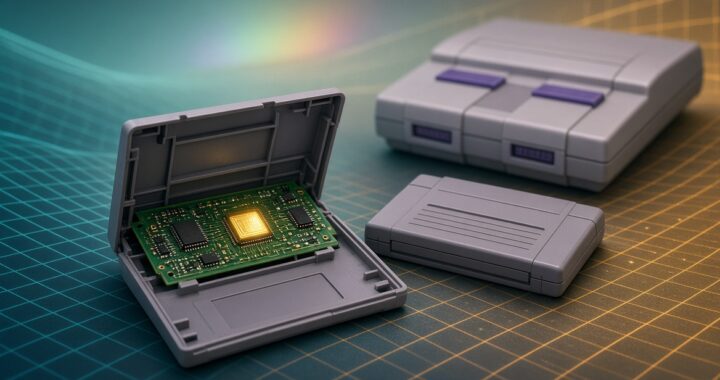
    Unlike modern 4K flat screens, which display sharp, perfectly square pixels with harsh digital edges, CRT TVs processed video signals through analog electron guns, phosphor coatings, and curved glass. The 2D pixel art of the 16-bit era was specifically designed by artists to take advantage of this natural analog blur, scanlines, and color blending.

    However, how you connected your SNES to that CRT made a world of difference. Most gamers relied on the standard yellow Composite video cable included in the box. But those who upgraded to S-Video (Separate Video) unlocked a level of clarity that transformed their gaming experience.

    In this guide, we will break down the technical differences between Composite and S-Video on the SNES, analyze the visual aesthetics of both, and help you decide which connection delivers the ultimate nostalgic setup today.

    1. Technical Breakdown: How Composite and S-Video Process Signals

    To appreciate the visual jump between these two analog connections, it helps to understand how video data travels through the cables.

    +-----------------------------------------------------------------------+
    |  COMPOSITE (Yellow RCA)                                               |
    |  [ Brightness (Y) + Color (C) Mixed Together ] -> Single Wire Signal  |
    |  Result: Color bleeding, "Dot Crawl" artifacting, softer image        |
    +-----------------------------------------------------------------------+
    
    +-----------------------------------------------------------------------+
    |  S-VIDEO (4-Pin DIN)                                                  |
    |  [ Brightness (Y) ] ---- Wire 1 -----\ Separate Signal Paths          |
    |  [ Color (C)      ] ---- Wire 2 -----/ No Interference                 |
    |  Result: Crisp pixel edges, vibrant color accuracy, clean text        |
    +-----------------------------------------------------------------------+
    

    Composite Video (The Standard Yellow RCA)

    Composite video combines all video information—both Luminance (Y / brightness and detail) and Chrominance (C / color information)—into a single yellow RCA cable channel.

    Because all the video data is squeezed through one signal line, the TV must constantly attempt to separate color from brightness. This signal mixing causes electrical interference known as “dot crawl” (checkerboard artifacts along moving pixel edges) and noticeable color bleeding.

    S-Video (Separate Video)

    S-Video cleans up the signal by physically separating the video data into two distinct internal signal paths:

    1. Luminance (Y): Carries black-and-white brightness and fine structural detail.
    2. Chrominance (C): Carries all color information.

    By keeping color and brightness separate until the signal reaches the CRT’s internal chassis, S-Video completely eliminates dot crawl and cross-color distortion without sacrificing the natural scanline bloom of a CRT display.

    2. Visual Comparison: What You Actually See on Screen

    When playing classic SNES masterpieces on a CRT, switching from Composite to S-Video yields an immediate, eye-opening difference in graphic fidelity.

    Text & User Interfaces (UI)

    • Composite: Text boxes in games like Final Fantasy VI or Chrono Trigger often feature blurry letter edges with slight color haloing around white text on blue backgrounds.
    • S-Video: Font edges become razor-sharp. Health bars, damage numbers, and inventory menus rendered in crisp 16-bit typography are effortlessly legible.

    Color Separation and Sprite Detail

    • Composite: High-contrast color transitions—such as Mario’s red cap against a bright blue sky in Super Mario World—suffer from color bleed, making adjacent pixels blend together heavily.
    • S-Video: Colors pop with rich saturation, yet stay neatly contained within their sprite boundaries. You can distinguish individual pixel patterns in character costumes and background tilemaps.

    Dithering and Pixel Blending

    • Composite: Because Composite blurs signals so heavily, developers used a technique called “dithering” (alternating pixel color grids) to trick the eye into seeing transparency effects, such as water in Donkey Kong Country or fog in Castlevania IV.
    • S-Video: S-Video retains crisp pixel boundaries while maintaining the CRT’s natural phosphor glow. You get sharper sprites without losing the smoothing effect that CRT scanlines naturally provide.

    3. The Nostalgic Vibe: Choosing Your Ideal CRT Aesthetic

    While S-Video is objectively superior from a technical standpoint, retro gaming is as much about nostalgia and feeling as it is about signal purity.

    The Composite Vibe: “Living Room in 1992”

    There is a unique, cozy warmth to a Composite signal on a consumer CRT TV (like an old RCA or Zenith set).

    • The Mood: It evokes memories of Saturday morning gaming sessions, sitting on the carpet inches away from a flickering screen, eating sugary cereal.
    • The Look: The soft blur, faint signal noise, and color bleed melt the 16-bit pixels into an almost painterly illustration. For some collectors, pristine signal clarity actually strips away the nostalgic magic of their childhood setup.

    The S-Video Vibe: “The CRT Purist’s Dream”

    If you owned a high-end Sony Trinitron or JVC I’Art TV with S-Video inputs in the mid-’90s, you felt like you had an arcade machine right in your bedroom.

    • The Mood: It delivers a premium, arcade-quality presentation that feels both authentically retro and surprisingly modern.
    • The Look: You get prominent, perfectly defined scanlines, razor-sharp sprite outlines, and vibrant color contrast. S-Video strikes the ultimate balance—it provides 90% of the visual fidelity of expensive RGB/Component setups at a fraction of the cost.

    4. Hardware Buying Guide: Getting S-Video on SNES Today

    If you are looking to hook up a Super Nintendo or Super Famicom via S-Video today, here are a few critical tips to avoid common hardware traps:

    1. Beware of Cheap “Dual” Composite/S-Video Cables

    Many cheap $8 cables on Amazon or eBay feature both a yellow Composite plug and an S-Video plug on the same cable breakout. Avoid these.

    Most of these budget cables simply wire the composite video line into the S-Video pin, passing off a noisy composite signal through an S-Video connector.

    2. Buy Properly Shielded S-Video Cables

    Look for reputable retro gaming cable manufacturers (such as Insurrection Industries, Retro Access, or high-grade vintage Nintendo multi-out cables). Fully shielded cables prevent audio humming and diagonal video noise lines.

    3. SNES Console Revision Considerations

    • Original SNS-001 (Control Deck): Fully supports S-Video natively out of the rear Multi-Out port.
    • SNES Model 2 (SNS-101 / “Jr.” Model): Nintendo stripped S-Video and RGB output from this cost-reduced model to save manufacturing expenses. Out of the box, it outputs Composite only (though it can be easily modded for S-Video).

    Conclusion

    Is S-Video worth it for SNES gaming on a CRT? Absolutely.

    S-Video represents the true “sweet spot” for 16-bit console gaming. It preserves the organic phosphor bloom, natural scanlines, and artistic pixel blending of a CRT while eliminating the distracting noise, blur, and color bleeding of standard Composite cables.

    Whether you prefer the soft, nostalgic warmth of Composite or the vibrant, arcade-like precision of S-Video, plugging a Super Nintendo into a CRT television remains the absolute definitive way to experience 16-bit gaming history.

    Frequently Asked Questions (FAQ)

    Q1: Does the Japanese Super Famicom use the same S-Video cable as the US SNES?

    Yes! Both the North American SNES (SNS-001) and the Japanese Super Famicom (HVC-002) use the exact same Nintendo Multi-Out connector pinout for Composite and S-Video.

    Q2: Is S-Video better than Component (YPbPr) or RGB SCART?

    RGB and Component offer the absolute highest signal purity possible. However, high-quality S-Video gets you very close to RGB quality without needing expensive video converters or complex TV modifications.

    Join the Discussion

    What cable setup are you currently running on your CRT TV? Do you prefer the sharp scanlines of S-Video or the soft nostalgia of Composite? Drop your setup details and favorite CRT games in the comments below!

  • The Secret Weapon of 16-Bit Gaming: SNES Enhancement Chips and Their Iconic Games

    Introduction: The Hidden Power Inside SNES Cartridges

    During the height of the 16-bit console war between Nintendo and Sega in the early 1990s, the Super Nintendo Entertainment System (SNES)—known in Japan as the Super Famicom—boasted rich color palettes, hardware-level sprite scaling, and legendary sound sampling capabilities.
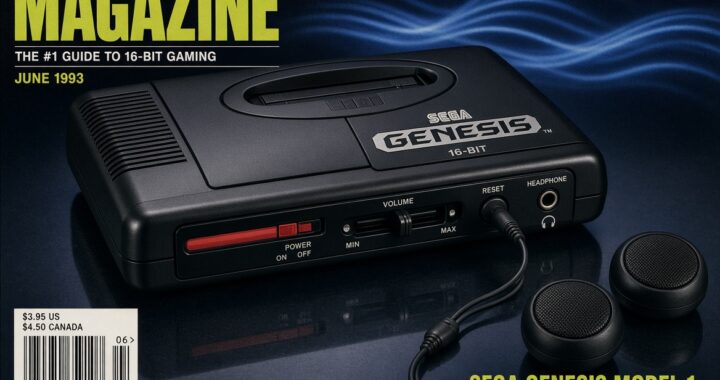
    However, as game developers pushed the boundaries of interactive design, the base console’s Central Processing Unit (a 16-bit Ricoh 5A22 running at a modest 3.58 MHz) began encountering hardware bottlenecks.

    Rather than releasing an entirely new home console, Nintendo and visionary third-party developers conceived an ingenious solution: cartridge-based enhancement chips.

    By embedding specialized coprocessors directly inside individual game cartridges, Nintendo effectively upgraded the console’s computing power on a game-by-game basis. These custom microchips handled advanced 3D polygon rendering, complex sprite math, rapid decompression, and real-time encryption.

    For modern retro collectors and gaming historians, understanding these enhancement chips reveals how the SNES managed to rival the early 32-bit era. Here is your ultimate guide to the specialized chips that powered the greatest games on the Super Nintendo.

    1. The Super FX Chip (GSU): The Birth of Console 3D Polygon Rendering

    Perhaps the most famous enhancement chip in 16-bit history is the Super FX (later upgraded to the Super FX 2 / GSU-2). Co-developed by Argonaut Software and Nintendo, the Super FX was a custom RISC processor mounted directly onto the cartridge PCB.

    How It Worked

    The stock SNES architecture was designed primarily for 2D tile-mapped graphics. The Super FX chip took over the heavy mathematical lifting required to calculate 3D geometric math, rendering textured 3D polygons directly into the console’s frame buffer.

    Iconic Super FX Games

    • Star Fox (1993): The landmark title that demonstrated real-time 3D polygon flight simulation on a 16-bit home console. Without the Super FX chip, the intense dogfights through Corneria would have been technically impossible.
    • Stunt Race FX (1994): A full 3D racing game featuring cartoonish poly-vehicles, dynamic camera angles, and deformable courses.
    • Super Mario World 2: Yoshi’s Island (1995): Used the upgraded Super FX 2 chip not for 3D graphics, but to perform complex 2D sprite manipulation—such as dynamic sprite rotation, scaling, and massive boss transformations (e.g., Baby Bowser).
    • Doom (1995): Sculpted a custom 3D environment to bring id Software’s iconic PC shooter to the SNES using a custom 21.7 MHz Super FX 2 chip.

    2. The SA-1 (Super Accelerator 1): Pure 16-Bit Muscle

    Released in 1995, the SA-1 (Super Accelerator 1) was essentially an upgraded, higher-speed version of the console’s primary Ricoh 5A22 CPU, operating at an impressive 10.74 MHz (three times faster than the native SNES CPU).

    Key Technical Advantages

    • Elimination of Slowdown: The SA-1 allowed games with hundreds of moving sprites and complex collision physics to run flawlessly without frame rate drops.
    • Fast RAM Access & Hardware Math Engines: Provided instantaneous memory mapping, bit-plane conversions, and hardware-accelerated multiplication and division.

    Notable SA-1 Games

    • Super Mario RPG: Legend of the Seven Stars (1996): Square’s isometric masterpiece relied heavily on the SA-1 to execute pre-rendered 3D characters, intricate battle mechanics, and smooth environmental animations.
    • Kirby Super Star (1996) & Kirby’s Dream Land 3 (1997): Utilized the SA-1 for fast-paced mini-games, complex AI behavior, and vivid multi-layered background parallax.
    • PGA Tour 96 (1996): Used the chip to quickly calculate terrain physics and render golf course landscapes in real-time.

    3. The DSP Series: Math Engines for Mode 7 and Scaling

    Before full 3D processors like the Super FX were developed, Nintendo created the Digital Signal Processor (DSP) series to assist with complex vector math, trigonometry, and pseudo-3D perspective mapping.

    DSP-1: The Mode 7 Enhancer

    The DSP-1 (and its sub-variants 1A and 1B) was the most widely used DSP chip, designed to perform fast floating-point calculations for games utilizing the console’s built-in Mode 7 rotation and scaling effects.

    • Super Mario Kart (1992): Used the DSP-1 to constantly calculate track perspective shifts, wall collisions, and split-screen multiplayer positioning in real-time.
    • Pilotwings (1991): Relied on the DSP-1 to calculate flight vector trajectory and ground-perspective scaling as players parachuted or glided through 3D space.

    DSP-2, DSP-3, and DSP-4 Variants

    • Dungeon Master (1993 – DSP-2): Accelerated vector math for real-time 3D dungeon crawling.
    • SD Gundam GX (1994 – DSP-3): Assisted with turn-based strategy AI logic and battle screen calculations.
    • Top Gear 3000 (1995 – DSP-4): Calculated split-screen racetrack rendering and warp-gate trajectory paths.

    4. Capcom’s Cx4: Trigonometry for 2D Wireframes

    Capcom preferred to design its own proprietary coprocessor to elevate its marquee action titles. The result was the Capcom Cx4, a mathematical coprocessor dedicated to calculating trigonometric operations and wireframe 3D rendering.

    Famous Cx4 Games

    • Mega Man X2 (1994): Featured smooth wireframe 3D boss models (such as the giant computer head in the opening stage and Wire Sponge’s vines) and rotating background elements.
    • Mega Man X3 (1995): Expanded the chip’s usage to render complex boss animations, vector-based lighting effects, and multi-stage cutscenes.

    5. Decompression Chips: S-DD1 and SPC7110

    Toward the end of the 16-bit era, game worlds became vastly larger, threatening to exceed the standard memory limits of standard ROM chips. Manufacturing massive 48-Megabit or 64-Megabit ROM chips was prohibitively expensive, so developers turned to real-time data decompression chips.

    The S-DD1 (Super Direct Decompression 1)

    Designed by Nintendo and Capcom, the S-DD1 compressed graphic assets directly on the ROM. When the console requested graphic data, the S-DD1 decompressed sprite data on-the-fly, streaming it directly to the video display processor.

    • Street Fighter Alpha 2 (1996): Compressed high-fidelity arcade sprite frames into a 32-Megabit cartridge format, bringing arcade-accurate animation frames home without long loading screens.
    • Star Ocean (1996): Compressed massive hand-drawn background art, dynamic sound clips, and extensive voice acting into a single Super Famicom cartridge.

    The SPC7110 Decompression Chip

    Used exclusively by Hudson Soft, this chip performed similar high-speed decompression and featured a real-time clock (RTC) circuit.

    • Far East of Eden: Zero (Tengai Makyou Zero) (1995): Used the SPC7110 and internal battery clock to sync real-world calendar events, day/night cycles, and seasonal festivals inside the game world.

    Summary Table: SNES Enhancement Chips & Notable Titles

    Enhancement ChipPrimary FunctionFamous Representative Games
    Super FX / FX 23D Polygon Rendering & 2D Sprite ScalingStar Fox, Yoshi’s Island, Doom
    SA-110.74 MHz CPU Acceleration & Memory MappingSuper Mario RPG, Kirby Super Star
    DSP-1Trigonometry & Mode 7 Perspective MathSuper Mario Kart, Pilotwings
    Cx42D Vector Rotation & Wireframe MathMega Man X2, Mega Man X3
    S-DD1On-the-Fly Graphics DecompressionStreet Fighter Alpha 2, Star Ocean

    Conclusion: The Legacy of SNES Coprocessors

    Nintendo’s decision to put specialized enhancement chips inside individual cartridges was a masterclass in hardware engineering. By offloading complex mathematical algorithms, 3D rendering, and real-time decompression to peripheral hardware, the SNES continually evolved throughout its seven-year primary lifespan.

    These coprocessors allowed a 16-bit console from 1990 to stand toe-to-toe with newer 32-bit platforms, producing some of the most memorable visual and mechanical achievements in interactive entertainment history.

    Frequently Asked Questions (FAQ)

    Q1: Do SNES enhancement chips affect modern emulation or flash carts?

    Yes. Because these chips are physical hardware processors, early emulators and budget flash carts struggled to play them. Modern high-end FPGA systems (like the Analogue Super Nt) and advanced flash carts (like the FXPak Pro) physically emulate these coprocessors using onboard FPGA logic to ensure 100% compatibility.

    Q2: Which SNES chip was the most powerful?

    In terms of raw processing speed and versatility, the SA-1 (operating at 10.74 MHz) and the Super FX 2 (operating at 21.7 MHz) offered the highest computing horsepower on the platform.

    Community Discussion

    Which SNES enhancement chip game impressed you the most back in the 1990s? Do you prefer the polygon wizardry of Star Fox or the buttery-smooth performance of Super Mario RPG? Let us know in the comments below!

  • Is the Sega Genesis Stereo or Mono? The Ultimate Audio Guide for Retro Gamers

    Introduction: The Legendary Sound of Sega’s 16-Bit Era

    When retro gaming enthusiasts debate the 16-bit console wars of the early 1990s, the conversation inevitably turns to audio. While Nintendo’s Super NES featured sampled PCM audio, the Sega Genesis (known outside North America as the Mega Drive) took a radically different approach. Sega relied on raw, aggressive FM synthesis—giving games like Sonic the Hedgehog, Streets of Rage, and Shinobi III an iconic, gritty soundtrack that defined an era.

    However, if you are connecting a vintage Sega Genesis or Mega Drive to a modern home theater setup or CRT TV, you might stumble upon a confusing hardware question:

    Is the Sega Genesis audio stereo or mono?

    The short answer is: It supports both, but it entirely depends on which hardware revision you own and how you connect it.

    In this comprehensive guide, we will break down the hardware revisions of the Sega Genesis / Mega Drive, explain the audio signal routing of Model 1 versus Model 2 consoles, delve into the legendary Yamaha YM2612 sound chip, and show you exactly how to get crystal-clear stereo audio from your setup today.

    1. The Short Answer: Stereo Capability Across Hardware Revisions

    To understand whether your console outputs stereo or mono sound, you must first identify which model of the Genesis or Mega Drive you own. Sega redesigned the internal hardware multiple times throughout the console’s lifespan, leading to drastically different audio output configurations.

    Summary of Sega Genesis Audio Capabilities

    Console RevisionRear AV Port OutputHeadphone Jack OutputNative Stereo Out of the Box?
    Model 1 (Original)Mono OnlyStereoYes (via front headphone jack)
    Model 2 (Redesigned)Stereo & MonoNoneYes (via multi-AV port)
    Model 3 (Late Budget)Mono OnlyNoneNo (Requires Hardware Mod)

    2. Model 1 Sega Genesis: The Front-Jack Stereo Secret

    The original Sega Genesis—often referred to as the Model 1—is easily recognized by its bold “High Definition Graphics” text (on early motherboard revisions) and its prominent volume slider on the front left corner.

    The Rear AV Port Delivers Mono Only

    If you plug a standard composite AV cable into the single DIN port on the back of a Model 1 Genesis, you are receiving a mono audio signal. Even if your AV cable splits into red and white RCA plugs at the end, both cables are simply carrying the exact same mono sound duplicated across two channels.

    How to Get Stereo Sound from a Model 1

    The internal audio circuit of the Model 1 actually generates full dual-channel stereo sound. However, Sega routed the stereo mixing circuit exclusively through the 3.5mm headphone jack located on the front panel.

    To achieve true stereo audio from a Model 1 Sega Genesis:

    1. Connect a 3.5mm stereo aux-to-RCA cable into the front headphone jack.
    2. Plug the RCA connectors (red and white) directly into your TV, stereo receiver, or audio capture card.
    3. Keep the rear video cable connected to your TV for the display signal (ignoring the audio RCA plug on that rear cable).
    4. Adjust the front volume slider to around 70–80% for optimal gain without causing signal distortion.

    3. Model 2 Sega Genesis: Rear Stereo Output

    In 1993, Sega introduced the Model 2, featuring a smaller, squarer footprint and removing the front headphone jack and volume slider entirely.

    Updated Multi-AV Port

    Unlike the Model 1, the Model 2 replaced the old 8-pin DIN port with a proprietary 9-pin mini-DIN port. This updated connector directly routes both left and right stereo audio channels alongside composite video, S-Video, and RGB signals.

    If you purchase a proper Model 2 stereo AV cable or SCART/HD Retrovision component cable, you will get native stereo sound directly out of the rear port without needing secondary cables or adapters.

    Caution Regarding Audio Quality: While the Model 2 supports native stereo from the rear, early Model 2 motherboard revisions (particularly VA1 and VA2 boards) suffer from poorly engineered internal audio amplifiers. This results in muffled sound, harsh distortion, and unwanted audio hiss. Later revisions and community hardware mods (such as the popular Triple Bypass Mod) fix these filtering issues completely.

    4. Under the Hood: The Yamaha YM2612 FM Synthesis Chip

    At the heart of the Sega Genesis’s audio architecture sits the famous Yamaha YM2612 (along with a secondary Zilog Z80 coprocessor to handle sound driver instruction routines).

    How the YM2612 Generates Stereo Sound

    The YM2612 is a 6-channel Frequency Modulation (FM) synthesis chip. Unlike static mono sound chips of older 8-bit consoles, the YM2612 includes built-in channel panning capabilities:

    • Independent Channel Panning: Developers could assign each of the 6 FM channels to output to the Left channel, Right channel, or Center (Both).
    • Dynamic Audio Spatialization: Composers used this panning feature to create immersive soundscapes. For instance, in racing games or shooters, sound effects and musical arpeggios could sweep dramatically from the left speaker to the right speaker.
    • PCM Sample Playback: The 6th channel of the YM2612 could be converted to play digitized PCM audio samples (such as the famous “SEGA!” chant or voice clips in Mortal Kombat), which could also be panned across the stereo field.

    Because developers specifically composed music with stereo separation in mind, playing games in mono means missing out on the full spatial depth of 16-bit sound design.

    5. How to Setup Stereo Sound for Modern TV Displays

    If you are setting up your Sega Genesis on a modern display or connecting it through a upscaler like the OSSC (Open Source Scan Converter) or RetroTINK, here are the recommended connection configurations to ensure true stereo output:

    Configuration 1: Sega Genesis Model 1

    • Video Output: Rear 8-Pin DIN cable to console -> Upscaler / TV
    • Audio Output: 3.5mm Aux-to-RCA cable from Front Headphone Port -> Audio Input on TV / Receiver / Upscaler

    Configuration 2: Sega Genesis Model 2

    • Video & Audio Output: High-quality 9-pin Mini-DIN Stereo AV Cable (or HD Retrovision Genesis YPbPr Component Cable) directly into TV or Upscaler.

    Configuration 3: Sega CD / Mega CD Setup

    If you connect an original Sega CD attachment to your Genesis Model 1, you can pass the stereo audio signal from the front headphone jack into the Sega CD’s rear mixing line using a short 3.5mm patch cable. This routes both FM chip synth music and Redbook CD audio into one unified stereo output from the back of the Sega CD.

    Conclusion

    So, is the Sega Genesis / Mega Drive stereo or mono?

    The original hardware is fully capable of generating true 16-bit stereo audio. However, if you own a Model 1, you must utilize the front 3.5mm headphone jack to experience stereo sound, as the rear port outputs mono only. If you own a Model 2, stereo sound is accessible directly from the rear AV port with the correct cable.

    Understanding these hardware nuances ensures you hear classic video game soundtracks exactly as their legendary composers intended—loud, vibrant, and in full dual-channel stereo.

    Frequently Asked Questions (FAQ)

    Q1: Can I use a mono AV cable on a stereo setup?

    Yes, but you will only hear audio out of one speaker, or the exact same mono sound duplicated across both speakers if you use a splitter cable.

    Q2: What is the “Triple Bypass Mod” for Sega Genesis?

    The Triple Bypass (3BP) is a popular open-source community modification board that replaces the poor audio amplifier circuits found in certain Genesis revisions. It provides pristine stereo audio output and clean RGB video signals.

    Q3: Does the Sega Genesis Model 3 support stereo sound?

    No. The official Model 3 released by Majesco removed stereo audio processing entirely to reduce manufacturing costs. To get stereo sound from a Model 3, a hardware modification is required.

    Join the Discussion

    What is your favorite Sega Genesis soundtrack? Are you using an original Model 1 headphone jack setup or an upgraded RGB stereo cable? Let us know in the comments below!

  • Famicom vs. NES: A Technical and Collector’s Comparison of 8-Bit Classics

    Introduction: The Genesis of Modern Home Gaming

    When retro gaming enthusiasts in North America reflect on the 8-bit era, the image that usually comes to mind is the iconic grey, boxy Nintendo Entertainment System (NES). Released in North America in 1985, the NES single-handedly revitalized a home video game market that had collapsed under the weight of low-quality titles and saturated hardware.

    However, two years before the Western world received its “toaster-style” console, Nintendo launched a red-and-cream revolution in Japan. Released on July 15, 1983, the Family Computer—universally abbreviated as the Famicom—was the true foundation of Nintendo’s home console empire.

    For modern retro gaming collectors, preserving and exploring the original Famicom provides fascinating insights into hardware design, region-specific software releases, and audio engineering. This comprehensive guide explores the rich history, technical nuances, sound enhancements, and unique library of the original Japanese Famicom.

    1. Aesthetic and Industrial Design: Famicom vs. Western NES

    To understand why the Famicom occupies such a special place in video game history, one must first look at the stark design differences between the Japanese original and its Western counterpart.

    The Japanese Vision (1983)

    Designed by Masayuki Uemura, the original Famicom was deliberately fashioned to look friendly, approachable, and affordable.

    • Color Palette: Featuring a distinctive deep crimson (maroon) and off-white plastic shell, the console resembled an inviting toy rather than an intimidating piece of high-end home electronics.
    • Form Factor: Compact and lightweight, the Famicom featured a top-loading cartridge slot, a mechanical eject lever, and built-in side holsters to store the two included controllers.

    The Western Adaption (1985)

    Following the North American video game crash of 1983, Western retailers were deeply skeptical of any product labeled as a “video game console.” To bypass this retailer hesitation, Nintendo of America completely redesigned the housing:

    • Front-Loading VCR Mechanism: The NES was styled to look like a contemporary VCR (Videocassette Recorder), hiding the cartridge slot behind a hinged door.
    • Neutral Tone: The bright crimson was replaced with dark and light grey tones, creating a neutral aesthetic intended to blend seamlessly into living room entertainment centers.

    While both machines shared core 8-bit internal architecture (specifically the Ricoh 2A03 8-bit processor running at approximately 1.79 MHz in NTSC regions), their external designs could not have been more distinct.

    2. Hardware Quirks and Unique Features

    Collecting and playing on original Famicom hardware introduces several unique physical and electrical quirks that set it apart from standard NES consoles.

    Hardwired Controllers and the Player 2 Microphone

    One of the most surprising features of the original Famicom is its fixed controller setup. Unlike the NES, which featured front-facing detachable controller ports, the original Famicom had its two controllers permanently hardwired into the rear of the motherboard.

    Even more intriguing is the controller functionality:

    1. Player 1 Controller: Features standard Directional Pad, A, B, Start, and Select buttons.
    2. Player 2 Controller: Omits the Start and Select buttons entirely. In their place, Nintendo included a small microphone and a volume slider switch.

    While relatively few games utilized this microphone, a notable example is the original Japanese release of The Legend of Zelda (Hyrule Fantasy: Zelda no Densetsu). In the Japanese version, players could defeat the large-eared enemy known as “Pols Voice” by making noise into the Player 2 microphone—a mechanic completely altered for the Western NES release.

    Cartridge Form Factor: 60 Pins vs. 72 Pins

    The Famicom utilizes a compact 60-pin cartridge format, whereas Western NES cartridges feature a much larger 72-pin format. The extra pins on the NES cartridge connector were primarily added to accommodate the 10NES Lockout Chip (an anti-piracy regional lock mechanism) and expanded audio routing lines.

    3. The Chiptune Masterpiece: Expanded Audio Capabilities

    For sound engineers, music historians, and chiptune enthusiasts, the Famicom possesses a legendary advantage over the stock Western NES: native cartridge audio expansion support.

    How Expanded Audio Works

    The original Famicom cartridge slot was wired to allow game cartridges to route extra audio channels directly into the console’s mixing circuit. Developers could embed custom audio processing chips inside individual game cartridges, supplementing the built-in sound capabilities of the Ricoh processor.

    The standard Ricoh 2A03 chip provided five basic sound channels:

    • 2 Pulse wave channels
    • 1 Triangle wave channel
    • 1 Noise channel
    • 1 PCM Delta Modulation Channel (DMC)

    With audio expansion chips, developers could add complex FM synthesis, extra pulse channels, and custom wavetable audio.

    Landmark Expanded Audio Chips

    • Konami VRC6: Featured in Akumajou Densetsu (Castlevania III: Dracula’s Curse in Japan). It added two extra pulse waves and a sawtooth wave, producing an extraordinarily rich, multi-layered orchestral soundtrack. The Western NES version lacked this chip due to pinout differences, resulting in a significantly simplified audio arrangement.
    • Sunsoft 5B: Used in titles like Gimmick!, this chip delivered deep basslines and rich synthesis that remains a highlight of 8-bit music production.
    • Namco 163: Supported up to eight additional custom wavetable sound channels, featured in games like Rolling Thunder and Final Lap.

    4. The Famicom Disk System (FDS)

    In 1986, Nintendo introduced a major peripheral expansion in Japan: the Famicom Disk System (FDS).

    Solving the Storage and Cost Challenge

    In the mid-1980s, high-capacity ROM chips were extremely expensive to manufacture. The FDS bypassed this limitation by utilizing double-sided proprietary 3-inch floppy disks, known as “Disk Cards.”

    • Rewritable Kiosks: Japanese gamers could take their Disk Cards to retail kiosks called “Disk Writers” and rewrite new games onto them for a fraction of the cost of buying a new cartridge.
    • Save State Support: The magnetic media allowed players to save their progress directly to the disk, eliminating the need for complex, error-prone password systems.

    Historic franchises such as The Legend of Zelda, Metroid, Kid Icarus, and Castlevania actually made their debut on the Famicom Disk System before being converted into standard cartridge formats for Western NES release. Furthermore, the FDS unit contained its own wavetable audio synthesis channel, giving FDS titles a distinct acoustic warmth.

    5. Navigating the Famicom Library: Exclusives and Hidden Gems

    Because the Famicom had an exceptionally long lifecycle in Japan (with official production running until 2003!), its software library is vast, spanning thousands of official releases, unlicensed software, and region-locked gems.

    Notable Famicom Exclusives

    1. Joy Mech Fight (1993): A late-era 2D fighting game developed by Nintendo. It utilized creative sprite manipulation techniques to deliver smooth fighting animations on 8-bit hardware.
    2. Splatterhouse: Wanpaku Graffiti (1989): A delightful, super-deformed (chibi) side-scrolling action-platformer spinoff of Namco’s famous horror arcade series.
    3. Sweet Home (1989): Developed by Capcom and directed by Kazuo Tokuro, this survival-horror RPG served as the direct spiritual predecessor to the Resident Evil franchise.
    4. Crisis Force (1991): A breathtaking vertical-scrolling shooter by Konami that pushed the Famicom hardware to its absolute limit with fast-paced action and zero sprite flicker.

    Economic Value for Collectors

    For retro game collectors on a budget, collecting Japanese Famicom games is often far more economical than collecting North American NES titles. Iconic titles like Super Mario Bros., Rockman (Mega Man), and Dracula Densetsu (Castlevania) are frequently available at a fraction of the price of their North American cartridge counterparts.

    How to Integrate the Famicom into a Modern Setup

    If you are looking to add Japanese 8-bit gaming to your personal setup, there are several practical ways to approach hardware compatibility:

    MethodVideo Output QualityCompatibilityRecommended For
    Original HVC-001 FamicomRF (Coaxial) Only100% Native 60-PinPurists willing to perform AV/RGB mods
    AV Famicom (HVC-101)Composite AV (RCA)100% Native + Detachable ControllersBest original hardware experience
    NES + Cartridge AdapterComposite / RGB (Depends on NES)High (60-to-72 pin passive adapter)Gamers who already own an NES
    FPGA / Clone SystemsHDMI (1080p Crystal Clear)Excellent (Native Cartridge Slots)Modern TV displays and casual play

    Note: If you purchase an original Japanese console, ensure you use a power supply compatible with your local region’s electrical grid standards to prevent damage to the internal voltage regulator.

    Conclusion

    The Japanese Famicom is far more than a nostalgic relic; it is a foundational milestone in interactive media history. From its vibrant crimson design and innovative microphone integration to its sophisticated audio expansion capabilities, the console represents Nintendo at its most creative and ambitious.

    Whether you choose to explore its library through original hardware, specialized FPGA consoles, or cartridge converters, delving into the Famicom universe offers a fascinating fresh perspective on the 8-bit era.

    Community Discussion

    Do you collect Japanese Famicom cartridges, or do you stick strictly to regional NES releases? What are your favorite expanded-audio chiptune soundtracks? Share your thoughts, questions, and favorite hidden gems in the comments section below!

  • The $10 Arcade Mistake: Jajangmyeon, Double Dragon, and My Grandfather’s Love

    The Smells That Take You Back

    Have you ever caught a sudden whiff of a specific food and instantly been teleported 30 years back in time?

    For me, it’s the savory, rich scent of Korean Jajangmyeon (black bean noodles). Whenever I smell it, I’m instantly transported back to my childhood, holding my younger brother’s hand, carrying a crisp bill in my pocket, and getting ready for an unforgettable adventure.

    Today, I want to share a little story about my grandfather, a classic arcade game called Double Dragon, and the absolute terror of walking home after spending every single cent I owned.

    Elementary School Days: $5 and Plastic Model Kits

    When my brother and I were kids in elementary school, my grandfather used to take us out to a local Chinese restaurant for lunch. After feeding us bowls of delicious noodles, he’d reach into his wallet, pull out a $5 bill, and slip it into my hand with a smile.

    “Go buy something fun with your brother,” he’d say.

    To an eight-year-old in the late 80s/early 90s, five bucks was absolute magic. My brother and I would dash straight to the local neighborhood hobby shop. We’d spend half an hour intently scanning the shelves before picking out cheap plastic model kits. We’d spend the rest of the peaceful afternoon at home carefully snapping the pieces together.

    It was simple, wholesome, and perfect.

    Middle School: Upgrading to $10 & The Arcade Temptation

    Fast forward a few years to middle school. Our grandfather still took us out for noodles, but as we got older, our allowance got a promotion too: he started giving us $10.

    Now, $10 in a middle schooler’s hands was a serious responsibility. But plastic model kits couldn’t hold our attention anymore. There was a new king in town: The Neighborhood Arcade.

    That afternoon, my brother and I walked into the dark, blinking arcade with a fresh $10 bill and one absolute mission: We were going to beat Double Dragon from start to finish.

    • Insert two quarters.
    • Start kick-boxing our way through the street thugs.
    • Get knocked out? Insert another quarter immediately.
    • “We can’t stop now, we’re almost at the final boss!”

    Quarter after quarter, dollar after dollar… the game swallowed our cash. We were so locked into the screen, completely immune to the passage of time.

    The Bitter Sweet Victory (And The Long, Terrifying Walk Home)

    After what felt like an eternity of button-mashing teamwork, the final boss went down. WE DID IT! WE BEAT THE GAME! High-fives were exchanged. Victory was ours!

    …And then we reached into our pockets.

    Empty. Not a single quarter left. We had spent the entire $10.

    As we stepped out of the arcade, the sun was setting, casting long, ominous shadows over the street. The adrenaline evaporated, replaced by pure, cold panic.

    “Mom is going to kill us…”

    That 15-minute walk home was the longest, scariest walk of my life. My brother and I barely spoke a word, trembling with every step toward our front door.

    Needless to say, the victory celebration didn’t last long. As soon as we confessed where the $10 went, Mom gave us the ultimate “grounding” of our lives.

    Looking Back

    I went to bed that night sobbing, my heart heavy with regret. But looking back now, decades later, that terrified walk home under the twilight sky has become one of my most cherished memories.

    My grandfather passed away years ago, but whenever I smell Jajangmyeon, I don’t just remember the noodles. I remember the weight of those quarters in my palm, the sound of the arcade cabinets, my brother’s wide eyes, and my grandfather’s warm, loving smile as he handed us that money.

    Over to You:

    Did you ever blow all your allowance at the local arcade trying to beat a game? What’s a memory from your childhood that still makes you smile (and cringe)? Drop your stories in the comments below!